
Designing a Kitchen Around Your Appliances: Space and Style Tips
How to design your kitchen with the appliances you already have
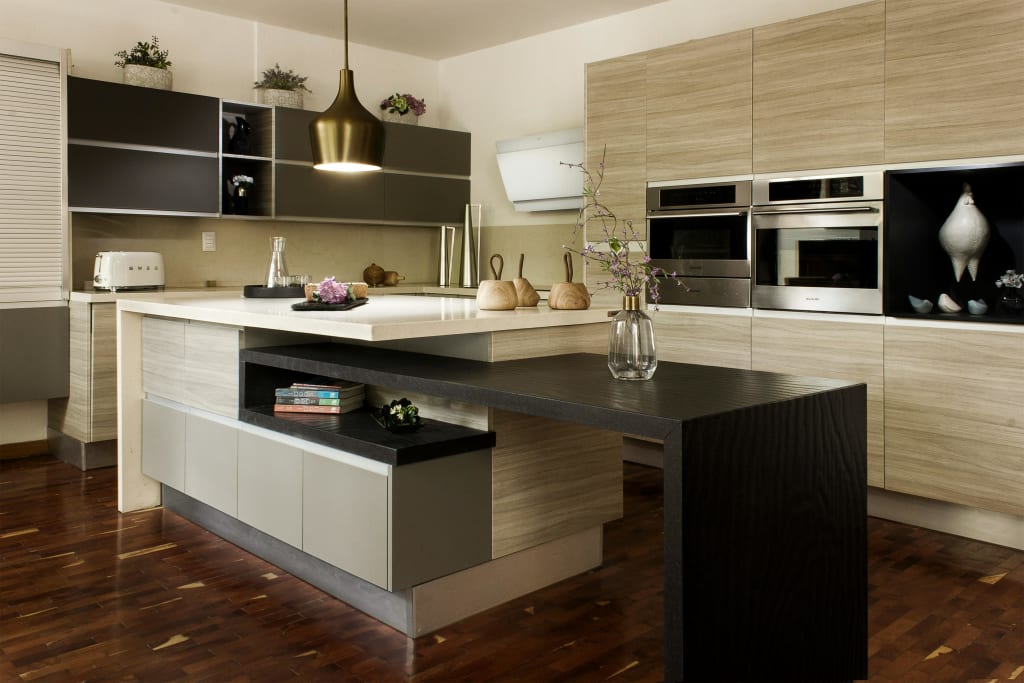
When it comes to kitchen design, the conversation often begins with countertops, cabinetry, or flooring. But in reality, one of the smartest ways to create a truly functional and stylish kitchen is to design it around your appliances. After all, appliances are the lifeblood of a kitchen—the silent workhorses that power daily meals, late-night snacks, and even those long Sunday baking sessions. Just as you might carefully plan the placement of a solar panel on your roof to get the best energy efficiency, planning your kitchen with your appliances as the foundation ensures both practicality and beauty.
This approach flips the usual design script. Instead of trying to squeeze a refrigerator or oven into leftover space, you give those essential tools the respect they deserve, shaping the kitchen around them. It is a design strategy that marries space and style seamlessly; while also helping you avoid common headaches later on.
Appliances as the Heart of the Kitchen
Think about it: your refrigerator, stove, oven, dishwasher, and microwave are the things you touch and use multiple times every day. They need to be accessible, convenient, and positioned in ways that make your routines smoother. Placing appliances as an afterthought often leads to awkward traffic flow, cramped counter space, and cabinets that feel more decorative than useful.
By starting with appliances, you prioritise the way the kitchen will function. Where does the fridge go so you can grab ingredients without blocking someone at the stove? How much clearance do you need for an oven door to open comfortably while still leaving room to move? Questions like these create a design that lives well, not just looks good.
The Balance of Space
One of the biggest mistakes homeowners make when designing kitchens is not accounting for appliance clearance. The sleek photos you see in magazines sometimes hide the fact that those French-door refrigerators need wide arcs to open, or that built-in ovens require ventilation space.
Imagine placing a Samsung refrigerator flush against the wall, only to realise later that the doors cannot swing open fully. Or choosing a compact dishwasher that looks perfect until you realise its open door blocks the pathway to the sink. These small oversights can add frustration to daily life.
When planning, always allow not only for the physical footprint of the appliance but also the space around it. This includes clearance for doors, ventilation, and even circulation for multiple people moving around the kitchen.
Style That Flows
Just because appliances are functional does not mean they cannot be stylish. Modern appliances are designed with aesthetics in mind, from sleek stainless-steel finishes to subtle matte tones that blend seamlessly into cabinetry. If you have ever admired the sharp design of a Sony sound system in your living room, you know how technology can also enhance the look of a space. The same principle applies in kitchens: appliances can become focal points that elevate the overall feel.
The trend today leans toward integrated designs. Panel-ready dishwashers and refrigerators can be hidden behind cabinetry, creating a smooth, continuous look. Meanwhile, freestanding stoves or high-tech ovens can serve as statement pieces, especially when chosen in bold colours or with a retro flair. Style does not stop with cabinetry—it extends into the appliances you choose to showcase.
Zoning the Kitchen
Once you know which appliances you’re working with, the next step is to think about zones. The classic “kitchen triangle” of refrigerator, stove, and sink still holds value, but modern lifestyles often demand more nuanced layouts. A baking zone might cluster an oven, stand mixer, and pantry shelves together. A beverage station could pair a coffee machine, under-counter fridge, and nearby mugs.
These zones streamline activity and reduce unnecessary movement. Instead of zig-zagging across the kitchen to prepare breakfast, everything you need is within reach. Appliances drive these zones, giving structure to the kitchen’s flow.
Size Matters—But So Does Placement
Choosing appliance size is often a trade-off between desire and practicality. While a double-door refrigerator or a six-burner range may sound like a dream, the question is whether your kitchen can handle it. Bigger is not always better—sometimes a smaller appliance, carefully positioned, serves the space more efficiently.
This is where brands like Panasonic, known for compact yet powerful appliances, can shine. A slim microwave or combination oven might be the perfect fit for a modest kitchen, leaving more counter space free for prep work. In larger kitchens, full-scale appliances can become centrepieces, but they must be thoughtfully placed to avoid feeling overwhelming.
Light, Power, and Efficiency
Appliances do not exist in isolation—they need power and sometimes water. Designing around them means planning electrical outlets, plumbing, and even ventilation systems in advance. It also means considering natural and artificial lighting. For example, task lighting under cabinets makes chopping near the stove safer, while soft pendant lights can turn the island into a cozy gathering spot.
In today’s world, energy efficiency is also at the forefront. Just as homeowners are investing in eco-friendly upgrades like solar panels, choosing energy-efficient appliances reduces long-term costs and environmental impact. Many modern kitchens blend sustainability with luxury, proving that you do not need to sacrifice style for responsibility.
Making Room for the Future
Designing around appliances also means thinking ahead. Technology evolves quickly, and the smart kitchen is no longer science fiction. Wi-Fi-enabled ovens, refrigerators that help manage grocery lists, and induction cooktops that conserve energy are just a few examples of what is already available.
Leaving some flexibility in your design—whether through adjustable shelving, adaptable cabinet spaces, or moveable islands—gives you the freedom to upgrade appliances in the future without overhauling the entire kitchen.
Personal Style Meets Practical Needs
Ultimately, your kitchen is an expression of who you are. Some people love bold, professional-grade appliances that make cooking feel like theatre. Others prefer subtle, integrated designs that let cabinetry and finishes shine. The beauty of designing around appliances is that it honours both form and function, ensuring that every choice feels intentional.
It is not about blindly following trends—it is about finding the sweet spot where your lifestyle, preferences, and space align. Whether that means a minimalist kitchen with barely-there appliances or a vibrant hub with a standout retro fridge, the design begins and ends with the tools you use daily.
Final Thoughts
Designing a kitchen around your appliances is not about giving them centre stage for the sake of it. It is about recognising their role in your life and creating a space that makes daily routines smoother, more enjoyable, and more stylish. Appliances dictate how you move, how you cook, and how you gather with family and friends. Ignoring them until the end of the design process is like writing a play without considering the actors.
When thoughtfully integrated, appliances bring balance to the dance between space and style. They become not just tools, but partners in shaping a kitchen that works as beautifully as it looks. And in the end, is not that what every home cook, entertainer, or family wants—a kitchen that feels like the true heart of the home?
About the Creator
Keep reading
More stories from Anna Paquin and writers in FYI and other communities.
The power of the ocean: Top Aquatic Fragrances
There is something profoundly transformative about standing at the edge of the ocean, breathing in that distinctive cocktail of salt, minerals, and endless possibility. The rhythmic crash of waves seems to wash away the complexities of modern life, leaving behind a sense of clarity and renewal that is almost intoxicating. It is no wonder that perfumers have spent decades attempting to capture this elemental magic in a bottle, creating what we now celebrate as aquatic fragrances—scents that transport us to those moments of oceanic bliss with just a single spritz.
By Anna Paquin3 months ago in FYI


Comments
There are no comments for this story
Be the first to respond and start the conversation.