
Damp Proofing Advice, Keep Your Walls Dry and Damage-Free
Expert tips to prevent damp, protect walls, and maintain a healthy home.

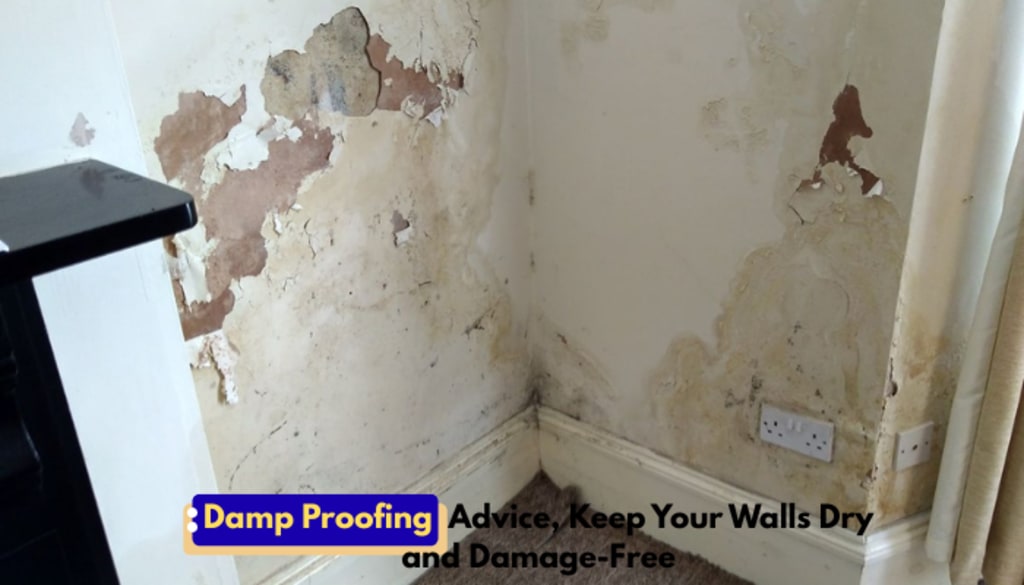
Moisture inside a property might seem harmless at first a patch of dark paint here, a faint musty smell there but left unchecked, it can cause significant structural damage. Damp issues weaken walls, create unhealthy living conditions, and lower the value of a home. The solution lies in effective strategies that not only tackle visible damp but also address the hidden causes behind it.
This guide brings together expert-backed tips and techniques to help you understand how to protect your property. Whether you’re dealing with rising damp, condensation, or penetrating water, the right approach can keep your walls dry and extend the lifespan of your home.
Understanding Why Damp Occurs
Before considering any damp proofing method, it’s essential to know why moisture appears in the first place. Damp problems typically fall into three categories:
- Rising Damp: Groundwater moving upward through brickwork due to capillary action.
- Penetrating Damp: Water leaking through walls or roofs, often because of cracks or faulty gutters.
- Condensation: Moisture forming indoors when warm air meets cold surfaces.
Identifying the cause is half the battle. Once you know the source, it becomes easier to apply the correct solution and avoid temporary fixes that don’t last.
Professional Damp Proofing, When to Call the Experts
There are times when DIY repairs aren’t enough. Professional services bring specialized tools and techniques that guarantee long-term results. Experts can carry out surveys, identify underlying structural weaknesses, and recommend treatments specific to your property’s age and condition.
Why professional services stand out:
- Accurate diagnosis of the damp source
- Access to industry-grade materials and barriers
- Long-term guarantees for peace of mind
Investing in expert advice early can prevent costly repairs in the future.
Rising Damp Solutions, Stopping Moisture at the Base
Rising damp is one of the most persistent problems in older homes. It occurs when moisture from the ground is drawn up through masonry. The solution usually involves installing or repairing a damp proof course (DPC).
- Chemical injection: Liquid or cream products are inserted into drilled holes in the wall, creating a barrier against moisture.
- Physical DPC replacement: Older homes may require a new physical layer, though this is more invasive and expensive.
- Surface treatments: These are supplementary and help reduce visible signs but rarely solve the problem alone.
Long-lasting results depend on combining treatments with good drainage around the property.
Condensation Control, Improving Airflow
Condensation is common in homes with poor ventilation. Kitchens, bathrooms, and laundry areas often suffer most, leading to mold patches and a lingering damp smell.
Effective damp proofing against condensation includes improving air circulation and reducing indoor humidity.
Key steps to reduce condensation:
- Install extractor fans in kitchens and bathrooms
- Open windows regularly to let fresh air in
- Use dehumidifiers in high-humidity areas
- Insulate walls to reduce cold surface contact
By tackling indoor air quality, you not only reduce damp but also improve health and comfort.
Penetrating Damp, Sealing Your Home’s Weak Spots
Cracks in brickwork, leaking gutters, or damaged roof tiles often allow rainwater to seep into walls. Penetrating damp can quickly spread and cause plaster to crumble.
To prevent this:
- Inspect and maintain guttering regularly
- Seal external wall cracks with appropriate fillers
- Apply water-repellent coatings to vulnerable areas
- Ensure roofing tiles are secure and intact
Preventive maintenance is often more cost-effective than large-scale repairs once damage has set in.
Waterproofing Basements and Cellars
Below-ground spaces are particularly vulnerable to moisture due to soil pressure and groundwater exposure. Waterproofing these areas requires specialist techniques beyond basic DIY fixes.
Popular solutions include:
- Tanking: Applying a waterproof slurry directly to walls and floors.
- Cavity drainage systems: Installing channels and pumps to divert water safely away.
- Membrane barriers: Creating a protective layer that prevents water seepage.
Investing in these measures not only protects storage areas but also adds usable living space to your home.
Regular Maintenance, Preventing Future Problems
Even after addressing immediate damp issues, ongoing maintenance is crucial. A property that is well-maintained is far less likely to suffer repeat moisture damage.
Maintenance checklist for homeowners:
- Clean gutters and downpipes twice a year
- Check roof tiles and flashing after heavy storms
- Repoint brickwork if mortar begins to crumble
- Re-seal around windows and doors as needed
Staying proactive with these tasks can save thousands in future repair costs.
Choosing the Right Damp Proofing Approach for Your Home
Every property is unique. Factors such as age, construction materials, and location affect which solutions are most suitable. For example, a Victorian terrace may require a different approach than a modern apartment.
The best way forward often involves combining methods like addressing rising damp with a new DPC while also installing better ventilation to reduce condensation. Balancing professional input with preventive homeowner action is the most reliable way to keep walls healthy and dry.
Key Takeaway
Moisture is one of the most common threats to building integrity, but it doesn’t have to become a recurring nightmare. With the right knowledge, timely action, and professional support when needed, any homeowner can protect their property. From fixing rising damp to improving ventilation, every step toward moisture prevention adds to the safety, comfort, and value of your home.
If you’re looking for damp proofing Sheffield, I can say from personal experience that local specialists here understand the unique challenges posed by older stone homes and changing weather. Having worked with trusted professionals in the area, I’ve seen how their tailored solutions bring peace of mind and lasting protection.
You may also want to explore our detailed guide on “How Damp Proofing Works: Methods That Actually Last” for deeper insights into long-term solutions
About the Creator
Amber
I’m Amber Heijnen, a Leeds‑based conservation specialist with an environmental science background. I restore historic buildings and monuments, blending research‑driven planning with community outreach for lasting, eco‑smart heritage care.
A Failed Artist, A Disillusioned Poet, An Underpaid Game Show Host
I took my son and niece to Gori, a small town in Georgia where Joseph Stalin was born. They talked me into visiting the Stalin's Museum, the largest in the post-Soviet space. I had resisted going there because I just can't stand the monster and know enough about him, or so I thought.
By Lana V Lynx23 days ago in FYI
Inside the Nipah Virus Outbreak in India
In the shadowy intersections between humans and the wild, sometimes something ancient stirs. That’s the story of the Nipah virus, a microscopic agent that lurks within fruit bats but can unleash devastating effects in humans. It doesn’t announce itself with fanfare. Its presence is a whisper until suddenly it becomes a thunderclap. And right now, that thunder is echoing through parts of India.
By Aarsh Malik2 days ago in FYI


Comments
There are no comments for this story
Be the first to respond and start the conversation.