
Critical Factors to Consider When Sourcing 4130 Chrome-Moly Tubing
Chrome-Moly Tubing
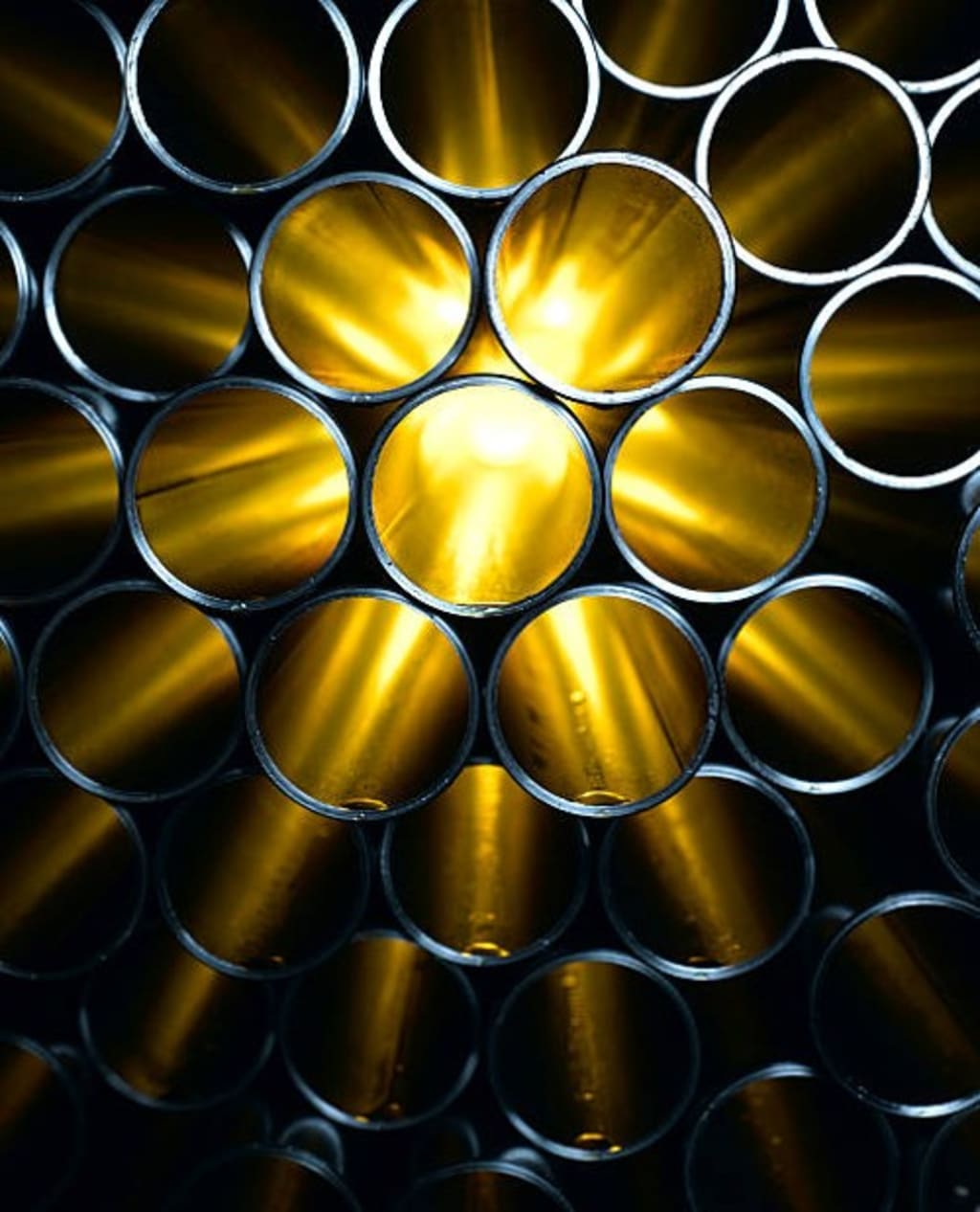
Sourcing quality 4130 chrome-moly tubing isn't as straightforward as many buyers think. Professionals have noticed the same mistakes happening again and again. This stuff is key to everything from race car roll cages to oil field equipment - but many consumers only care about price when they buy 4130 steel tubing, without regard to the things which truly drive performance.
The Certification Maze - What Really Matters
Paperwork first - and boring. Yes. Crucial. Yes.
Before you buy 4130 steel tubing, you should know that various applications require various standards:
- ASTM A519 - Most prevalent for mechanical tubing ASTM A213 - Boiler & heat exchanger applications
- AMS 6370 - Aerospace material MIL-T-6736 - Military aircraft specifications
- Sounds easy enough, but here's the catch - these standards have varying revisions and dates. Ensure you're calling out the right, current version!
The Metallurgy Nobody Tells You About
Heat treatment is EVERYTHING with 4130. You can have identical chemical compositions but get wildly different performance based solely on heat treatment.
Most common conditions you'll encounter:
- Normalized - Decent middle ground properties. Good for general use.
- Annealed - Super soft for forming operations. Don't use this where strength matters!
- Quenched & Tempered - Much stronger, but watch out for brittleness if done wrong.
- As-Rolled - Inconsistent properties. Avoid it for critical applications.
Grain structure is another factor nobody talks about. Fine, uniform grains = good. Large, irregular grains = problems waiting to happen. Most buyers never check this.
Inclusions are another killer. These are basically little non-metallic particles trapped in the steel during manufacturing. They create stress concentration points where cracks start. Good suppliers control these through:
- Vacuum degassing
- Proper melt practices
- Filtering during casting
- Careful solidification control
But here's the thing - you'll pay more for cleaner material. Worth it? Depends on your application. For a decorative handrail, probably not. For a critical aerospace component? Absolutely.
Physical Stuff That'll Bite You Later
Key dimensions to watch:
- Outside diameter
- Inside diameter
- Wall thickness (this one varies more than people realize)
- Straightness
- Roundness (out-of-round tubing creates stress points)
Surface quality matters WAY more than most people think. Tiny defects like seams, laps, or rough spots become fatigue crack initiation points. Under cyclic loading, that's where failure starts.
Remember - 90% of fatigue failures start at the surface. A nasty little seam that's barely visible can cut component life in half. Eddy current testing finds these problems, but it costs extra. Worth it? Again, depends on your application and consequences of failure. For critical parts, absolutely.
Verify, Verify, Verify
Trust but verify - best advice I've ever gotten in this business.
Even with perfect paperwork, smart buyers verify:
- Tensile properties - Actual strength vs what's claimed
- Hardness - Quick check that correlates with strength
- Ductility - How much it'll deform before breaking
- Chemistry - What's actually in your material
Does it cost money to test? Yes. Costs way more when bad material slips through? ABSOLUTELY.
Your Supplier Matters More Than You Think
Not all 4130 suppliers are created equal. The good ones:
- Have tight process controls
- Maintain proper quality systems (ISO 9001, AS9100, etc)
- Handle material properly throughout production
- Can provide testing beyond basic requirements
- Have metallurgists on staff who understand what they're selling
For critical applications, audit your suppliers. Period. Look at their processes, their testing capabilities, their material handling. Money and time well spent.
Application-Specific Gotchas
Different applications have unique requirements:
- Aerospace - Needs the works: perfect cleanliness, comprehensive testing, every possible certification.
- Pressure equipment - Better have good wall thickness control and hydrotest results. ASME Boiler and Pressure Vessel Code compliance isn't optional.
- Structural components - Impact properties and fatigue performance become critical. Need material that can absorb energy without brittle failure.
Make sure your specs match your actual application needs. "Generic" 4130 doesn't exist - there are different flavors optimized for different uses.
The Real Cost Calculation
Generic" 4130 doesn't exist - there are different flavors optimized for different uses. Smart buyers look at total cost:
- Material price
- Testing costs
- Risk of failure (probability × consequence)
- Replacement frequency
- Downtime costs if something goes wrong
For critical applications, "saving" 10-20% on material costs often leads to paying 10X later. Engineers build in safety factors assuming good material. When you use marginal stuff, you eat into those safety margins.
Bottom Line on
Quality 4130 tubing isn't cheap. But neither are the consequences of failure. Your procurement strategy should match your application risk. Remember - in critical applications, your material quality is literally a life-or-death decision. Choose accordingly.
About the Creator
Keep reading
More stories from Shane Debois and writers in FYI and other communities.
Beyond Transactions: What a Professional Real Estate Agency in Rotterdam Should Offer
Let's face it – buying property in Rotterdam isn't for the faint-hearted. The market moves fast, prices keep climbing, and good properties vanish before most people even know they exist. That's exactly why who you choose to work with matters so much. Sure, any real estate agency in Rotterdam can unlock a door and hand you a property brochure. But is that really enough when you're making possibly the biggest purchase of your life? Not even close.
By Shane Debois10 months ago in FYI



Comments
There are no comments for this story
Be the first to respond and start the conversation.