
Construction Site Security Challenges in the North East UK: Protecting Progress
A closer look at the rising risks on North East construction sites in 2025, from equipment theft to vandalism, and the measures keeping projects secure.
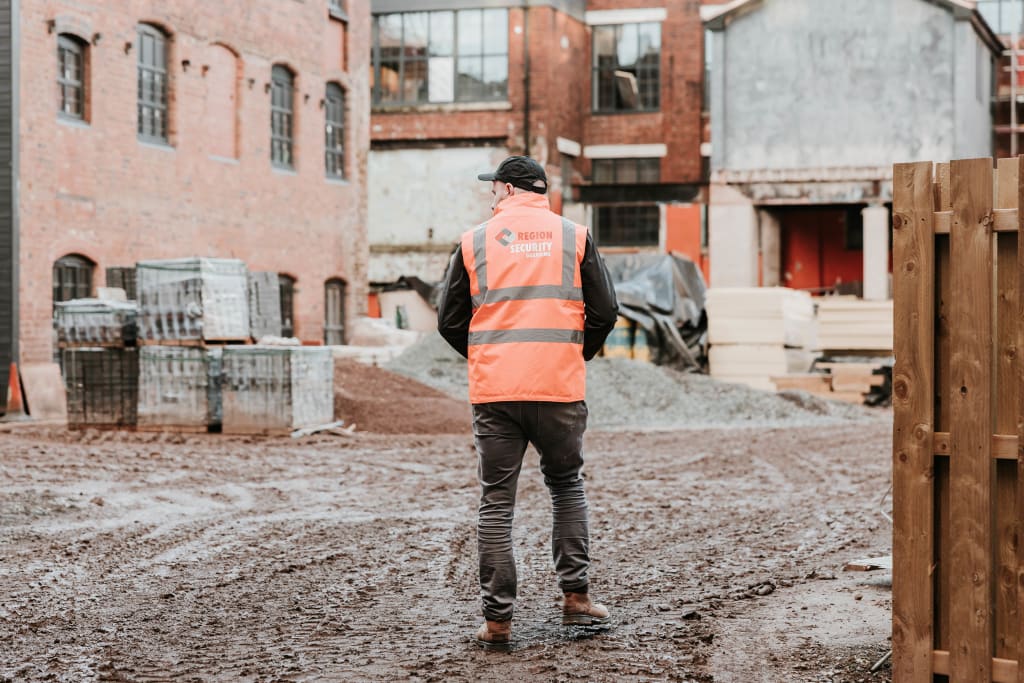
Construction is everywhere in the North East right now, from city centre refurbishments in Newcastle to new housing schemes across County Durham, Northumberland and Sunderland. Progress is great. But growth brings problems. And some of those problems are ugly: theft, vandalism, fires, and people getting hurt. Let us be blunt: if sites are not protected, projects slip, budgets blow out, and trust in new developments takes a hit.
So what is going wrong, and what can you do about it?
Why North East sites are an appealing target
- Remote spots are equal to opportunity. Many buildings in Durham and rural Northumberland sit well away from busy streets. That means fewer witnesses, slower police response, and more time for thieves to work.
- Metals and kits are worth money. Copper, plumbing parts, generators, fuel, all of it sells. Steal a bit, and you can stop a whole crew for days.
- Abandoned sites attract trouble. Graffiti, joyriders, kids looking for a dare, all of them can damage structures, move materials, or create dangerous situations.
- Fire is not always accidental. Vacant cabins, leftover fuel, and exposed kit are tinder. One spark in windy coastal weather and things escalate fast.
- People get hurt. Unauthorised visitors do not understand building hazards, pits, wiring, or scaffolds. That creates real liabilities.
- Inside jobs happen, too. It is easy to ignore the risk from staff or subcontractors who take or sabotage equipment.
- The weather worsens everything. Sudden storms or high winds damage materials, tear down weak fencing, and turn a secure site into an open one.
Practical, real-world steps that help
You do not need a science degree to make a site harder to nick. Start with the simple stuff, then layer in tech.
Short-term, cheap wins:
- Lock and label: lock up materials overnight and visibly tag tools/equipment (QR codes, stickers, whatever). It is a deterrent, and it makes losses traceable.
- Light it up: motion lighting and a few well-placed LED floods go a long way. Thieves do not like being watched.
- Signpost clearly: big, readable warning signs and contact details. People are less likely to trespass where they know someone’s watching.
- Tidy at close: clear combustibles and secure fuel every night. Reduces arson/fire risk and petty vandalism.
Medium-term, high-impact:
- Strong perimeter: anti-climb strips, decent fencing, and routine perimeter checks. Make entry awkward and noisy.
- Remote surveillance: cameras with remote viewing or a low-cost feed to a security phone. It does not have to be a full control room to be useful.
- Inventory discipline: keep a tight track of what is on site. If you know what is missing within hours, you can act quickly and submit precise insurance claims.
- Community contacts: a local resident who knows the site schedule is worth more than a single night-guard shift. Let neighbours know who to call.
Technology that pays off:
- GPS-tracked containers and tagged assets: when the kit moves unexpectedly, you get an alert.
- Drone checks for large, remote builds: flyover inspections can replace long, risky foot patrols.
- Smart access: keyless locks, temporary PINs, or biometric readers for cabins, reduces the chance of keys going walkabout.
- Weather-alert linking: automated alerts that warn of Security challenges for construction sites in the North East before storms, so that they can mitigate the losses.
Real example - Sunderland: small change, big result
A mid-sized housing developer in Sunderland was getting hit for copper cable and plumbing fittings. The usual: delays, angry suppliers, insurance claims. They tried a simple combo: locked, GPS-monitored containers on site and QR-tagged tools that crews had to scan in and out. Within four weeks, thefts dropped sharply. More than that, the crews started treating the kit with more care because everybody knew who had what. That is a cheap win that kept the build moving.
Don’t forget the human side
Security is not only tech and fences. If locals understand what you are building, they will look out for it. A leaflet, a noticeboard, a named contact for complaints or concerns, and small gestures build goodwill. And goodwill means eyes on the site when it matters.
Quick checklist for immediate action
- Lockdown: secure storage huts, containers, and fuel nightly.
- Tag it: QR, sticker or RFID on valuable kit.
- Light & sign: motion lights + clear warning signs.
- Fence up: anti-climb materials and regular checks.
- Log it: simple check-in/out for tools (even a spreadsheet helps).
- Talk to locals: share a contact and a leaflet.
- Review after storms: inspect and repair fencing, gates and cabins ASAP.
Final thought
Building across Tyne and Wear, Durham, and Northumberland should feel like progress, not a gamble. Mix commonsense site management, a few targeted tech tools, and local engagement, and you will stop most problems before they start. Protect the work, protect the people, and the rest follows.


Comments
There are no comments for this story
Be the first to respond and start the conversation.