
Common Eye Problems in Children: What Parents Should Know
Eye Problems in Children
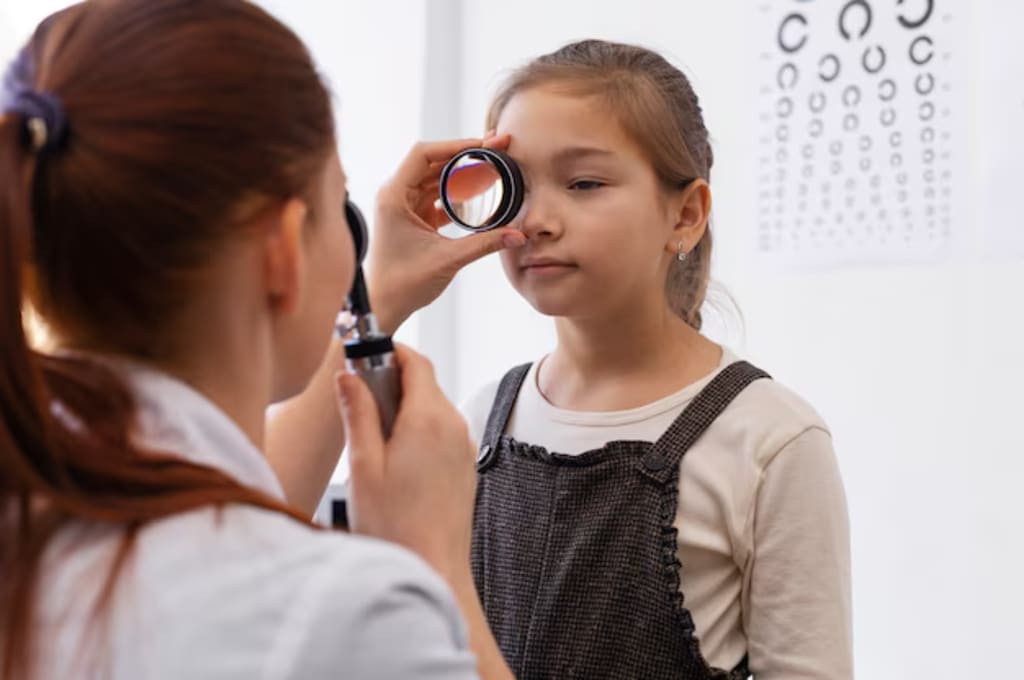
Children rely heavily on their vision for learning and development, yet many young ones can't always communicate when something isn't right with their eyesight. Vision problems that go undetected can impact a child's performance in school, social interactions, and overall development. Understanding common eye problems that affect children and knowing the warning signs can help parents seek timely intervention.
Parents often wonder when they should schedule their child's first eye examination with a Granada Hills eye doctor or other eye care professional. The American Optometric Association recommends that infants have their first comprehensive eye exam at 6 months, another exam at age 3 years, and again before starting kindergarten. Regular eye exams become even more crucial if a family has a history of eye conditions.
Signs Your Child May Have Vision Problems
Children rarely complain about vision issues because they assume everyone sees the way they do. Instead, parents need to watch for subtle behavioral clues that might indicate eye problems. Some children squint frequently, hold books unusually close to their face, or sit too near the television. Others might frequently rub their eyes, tilt their head when trying to focus, or experience unexplained headaches after visual tasks.
School-age children with undiagnosed vision problems might struggle with reading, avoid close-up work, or lose their place while reading. Some may even show declining interest in activities that require detailed visual attention. When these signs appear consistently, it's worth scheduling a comprehensive eye examination rather than assuming the child will outgrow these behaviors.
Common Refractive Errors in Children
Refractive errors occur when the shape of the eye prevents light from focusing correctly on the retina. Myopia (nearsightedness) is increasingly common in school-age children and causes difficulty seeing distant objects clearly. Children with myopia often have trouble seeing the board in class but can see books and screens up close without issue.
Hyperopia (farsightedness) makes nearby objects appear blurry while distant objects remain clearer. Young children naturally have some degree of hyperopia that diminishes as the eye grows. Astigmatism, another common refractive error, causes overall blurred vision due to an irregularly shaped cornea or lens and can occur alongside myopia or hyperopia.
Amblyopia (Lazy Eye)
Amblyopia, commonly known as "lazy eye," develops when one eye has significantly better vision than the other. The brain begins to favor the stronger eye and suppresses the weaker one. Without intervention, the weaker eye's vision continues to deteriorate. Early detection greatly improves treatment outcomes, which typically involve patching the stronger eye to force the weaker one to work harder.
The condition affects approximately 2-3% of children and often develops before age 6 years. Risk factors include premature birth, family history of eye problems, and developmental disabilities. Parents should watch for eyes that appear to wander independently of each other or a child that consistently favors one eye while the other seems to drift.
Strabismus (Crossed Eyes)
Strabismus occurs when the eyes don't align properly due to problems with the eye muscles. One eye may turn inward, outward, upward, or downward while the other focuses normally. This misalignment can lead to double vision and depth perception problems if not addressed early. The brain might eventually ignore input from the misaligned eye, potentially leading to amblyopia.
Treatment options vary depending on the severity but may include corrective eyeglasses, vision therapy exercises, or in some cases, surgical correction. Children with strabismus may close one eye when trying to focus or tilt their head in a specific direction to see better. Early intervention typically yields the best results.
Color Vision Deficiency
Color vision deficiency, sometimes inaccurately called "color blindness," affects approximately 8% of boys but only 0.5% of girls due to its genetic pattern. Children with this condition have difficulty distinguishing between certain colors, most commonly red and green. While not typically progressive or threatening to vision, it can impact learning when color-coding is used as a teaching tool.
Teachers and parents often notice this condition when children consistently confuse colors or show unusual color preferences in their drawings. Simple screening tests can identify color vision deficiencies, and while there's no cure, accommodations can help children adapt. Special glasses or contact lenses may help some individuals distinguish colors more effectively.
Digital Eye Strain in Children
Today's children spend unprecedented amounts of time using digital devices for both education and entertainment. This increased screen time can lead to digital eye strain, characterized by dry eyes, headaches, blurred vision, and neck pain. The symptoms typically worsen throughout the day as screen time accumulates.
Parents can help by enforcing the 20-20-20 rule: every 20 minutes, look at something 20 feet away for 20 seconds. Proper lighting, correct posture, and appropriate viewing distances also help reduce strain. Consider using screen filters to reduce glare and blue light exposure, especially before bedtime when blue light can interfere with sleep patterns.
Eye Infections and Allergies
Children frequently experience eye infections like conjunctivitis (pink eye), which can be bacterial, viral, or allergic in nature. Bacterial and viral conjunctivitis are highly contagious and spread quickly in school settings. Symptoms include redness, discharge, swelling, and itching. Allergic conjunctivitis, while not contagious, causes similar discomfort and typically occurs seasonally or when exposed to specific allergens.
Good hygiene practices help prevent the spread of contagious eye conditions. Children should avoid touching their eyes and wash hands frequently. Sharing towels, pillows, or eye makeup increases infection risk. For allergic eye symptoms, reducing exposure to triggers and using appropriate eye drops can provide relief.
Protecting Children's Eye Health
Prevention remains the best approach to eye health. Encourage children to wear protective eyewear during sports and hazardous activities. Ensure they eat a balanced diet rich in vitamins A, C, E, and omega-3 fatty acids, which support eye health. Limit screen time and encourage regular outdoor play, as research suggests outdoor activity may help reduce myopia progression.
Adequate sleep allows eyes to rest and recover from daily strain. During allergy seasons, keeping windows closed and using air purifiers can reduce symptom triggers. UV protection is essential year-round; children should wear sunglasses that block 100% of UVA and UVB rays when outdoors, regardless of the season.
When to Seek Emergency Care
While most eye conditions develop gradually, some situations require immediate medical attention. Seek emergency care if a child experiences sudden vision loss, severe eye pain, significant eye trauma, or chemical exposure to the eyes. Double vision that develops suddenly, extreme light sensitivity, or visible blood in the eye also warrant urgent evaluation.
Conclusion
Monitoring children's eye health should be part of every parent's regular healthcare routine. By recognizing the signs of common vision problems and seeking timely professional evaluation, parents can help ensure their children develop healthy vision for life. Early intervention often leads to better outcomes and can prevent long-term vision issues from developing or worsening. Schedule regular comprehensive eye examinations for children—their future success may depend on it.
About the Creator
Keep reading
More stories from Shane Debois and writers in FYI and other communities.
Selecting The Top Criminal Lawyer In Toronto
To face criminal charges is a life-altering and stress-filled ordeal. Whether accused of a felony or a misdemeanor, having the top criminal lawyer Toronto work on your behalf may be the key to success with your case. Criminal law is intricate - and the law itself can be a daunting aspect for those unfamiliar with it. A seasoned criminal defence lawyer will provide you with the advice, guidance, and advocacy you need to protect your rights and get the best result.
By Shane Debois10 months ago in FYI
Neutraceutical Packaging Market Size and Forecast 2025–2033
Neutraceutical Packaging Market at a Glance The Neutraceutical Packaging Market is projected to expand from US$ 4.92 billion in 2024 to US$ 7.63 billion by 2033, growing at a CAGR of 4.99% from 2025 to 2033. This steady growth reflects the accelerating global demand for dietary supplements, functional foods, herbal products, and wellness beverages. Rising health awareness, aging populations, sustainability expectations, the rapid growth of e-commerce, and evolving regulatory frameworks are reshaping how nutraceutical products are packaged, protected, and presented.
By Aaina Oberoi4 days ago in FYI


Comments (1)
Just wanted to drop in and say—you absolutely nailed it with this piece. 🎯 Your writing keeps getting better and better, and it's such a joy to read your work. 📚✨ Keep up the amazing work—you’ve got something truly special here. 💥 Super proud of your writing! 💖🙌 Can't wait to see what you create next! I would like to invite you to my Horror writing prompt challenge on vocal at : https://shopping-feedback.today/horror/horror-story-prompt-challenge-the-last-command%3C/span%3E%3C/span%3E%3C/span%3E%3C/a%3E #KeepShining 🌟 #WriterOnTheRise 🚀