
China Steps Into the Courtroom: A Growing Focus on Legal Disputes at Home and Abroad
From domestic trials to international cases, Beijing increasingly relies on courts to defend state and economic interests

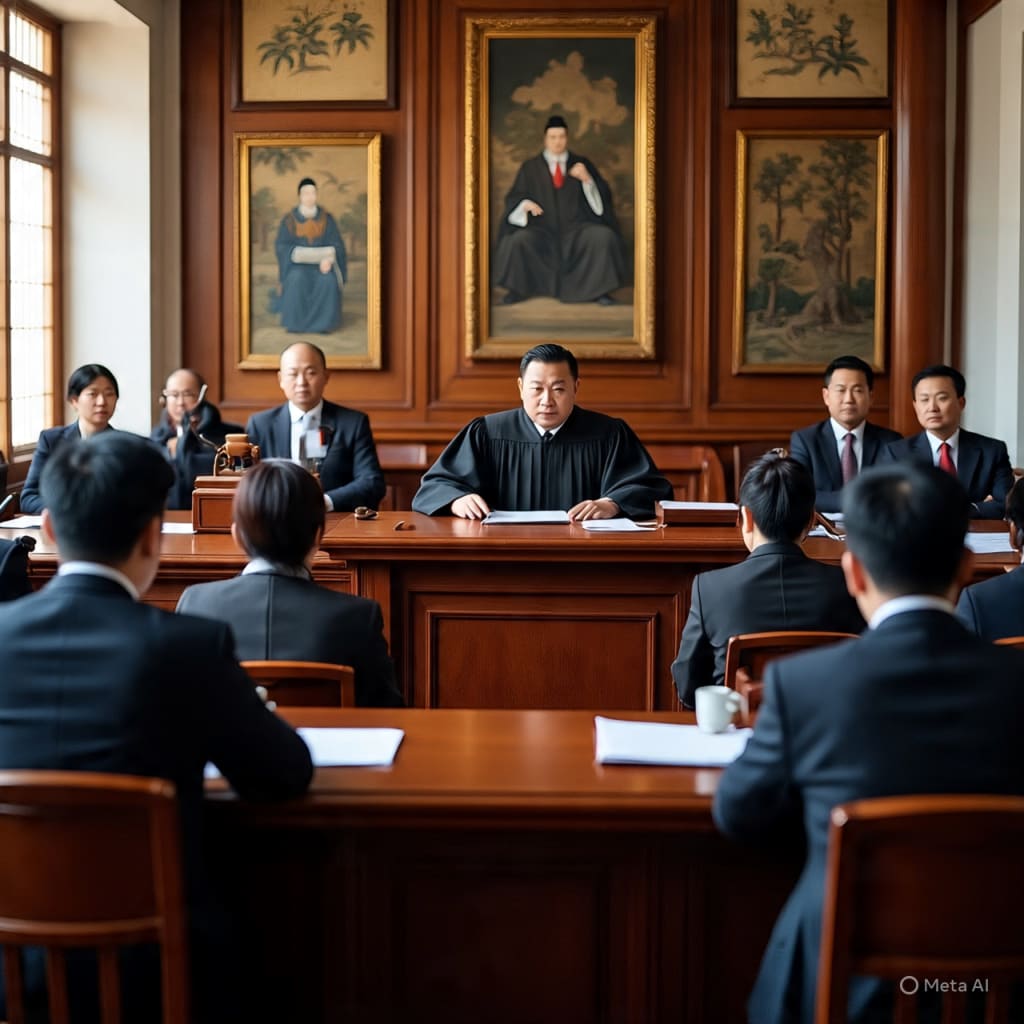
Introduction
China has increasingly “entered the courtroom,” signaling a noticeable shift in how the country handles disputes, enforces policy, and responds to international pressure. From high-profile domestic trials to legal action in international forums, Chinese authorities are turning to legal mechanisms to support state interests. This approach reflects Beijing’s effort to project an image of rule-based governance while maintaining firm political control.
The trend has attracted attention both inside China and abroad. Supporters see it as a sign of legal development, while critics question the independence of the courts and the broader implications for rights and accountability.
Understanding China’s Legal Framework
China’s legal system is based on civil law and operates under the leadership of the Communist Party. Courts are expected to apply the law, but they also align with party policies. This structure shapes how legal cases are handled, particularly those involving sensitive political or economic matters.
In recent years, China has invested heavily in expanding its legal institutions. New courts, specialized tribunals, and legal reforms aim to improve efficiency and consistency. At the same time, political oversight remains strong.
Domestic Cases and State Authority
Within China, courts have played a central role in handling corruption cases, business disputes, and public order matters. High-profile trials involving officials or corporate leaders are often presented as evidence of the government’s commitment to discipline and accountability.
However, these cases also serve a political purpose. Legal action reinforces state authority and signals consequences for behavior seen as threatening stability or policy goals.
Business and Economic Disputes
As China’s economy has grown more complex, commercial disputes have increased. Courts are now key venues for resolving conflicts between companies, investors, and local governments. Specialized commercial courts have been established in major cities to handle such cases.
Foreign companies operating in China closely watch these proceedings. Fair treatment in the courtroom is a major concern, particularly when disputes involve state-owned enterprises.
Technology and Intellectual Property Cases
China has also entered the courtroom more often in technology-related disputes. Intellectual property courts now handle cases involving patents, trademarks, and trade secrets. Authorities argue that stronger legal protection encourages innovation and foreign investment.
At the same time, international critics question whether these courts provide equal protection to domestic and foreign firms. Outcomes of major cases often influence global perceptions of China’s business environment.
Human Rights and Legal Limits
Legal action related to human rights remains a sensitive area. Lawyers, activists, and journalists have faced trials on charges linked to national security or public order. The government maintains that these cases follow the law, while international organizations raise concerns about due process.
These cases highlight the limits of legal independence in China. Courts function within a system where political considerations play a significant role.
China in International Courts
Beyond its borders, China has increasingly engaged with international legal institutions. It has participated in trade disputes at the World Trade Organization and legal arguments related to maritime claims.
Beijing often frames its participation as respect for international law. However, it selectively recognizes rulings, particularly when decisions conflict with its core interests.
Maritime and Territorial Disputes
China’s legal stance in maritime disputes has drawn global attention. While it has used legal arguments to defend its claims, it has rejected certain international rulings that challenge its position.
This approach shows how China uses the courtroom strategically, accepting legal processes that support its interests while resisting those that do not.
The Role of Lawyers and Legal Professionals
China has expanded its legal profession, with growing numbers of trained lawyers and judges. Legal education has improved, and courts have adopted digital systems to speed up proceedings.
However, lawyers working on sensitive cases face restrictions. The balance between professional legal practice and political boundaries remains tightly controlled.
Public Perception and Media Coverage
State media often highlights court cases as proof of fairness and order. Televised trials and official statements emphasize transparency and legal procedure.
Public trust in courts varies. While some citizens see the legal system as a way to resolve disputes, others remain skeptical, especially in politically sensitive cases.
Why China Is Turning to the Courtroom
Several factors explain this shift. Legal processes offer a controlled way to manage disputes, maintain stability, and present decisions as rule-based rather than arbitrary. In international contexts, legal arguments help China engage with global systems on its own terms.
Using courts also allows authorities to formalize outcomes while keeping ultimate control within the political structure.
Implications for the Future
China’s increased use of courts will likely continue. As economic and political challenges grow, legal mechanisms provide tools for governance and international engagement.
The key question is whether this trend will lead to greater legal independence or remain tightly linked to political objectives. The answer will shape China’s domestic governance and its relations with the world.
Conclusion
China’s entry into the courtroom reflects a strategic use of law to manage power, disputes, and perception. While courts play a more visible role than in the past, they operate within clear political limits. For observers at home and abroad, China’s legal approach offers insight into how the country balances rule-based systems with centralized control.
As China continues to rely on legal processes, the courtroom will remain an important space where law, politics, and global interests intersect.
About the Creator
Saad
I’m Saad. I’m a passionate writer who loves exploring trending news topics, sharing insights, and keeping readers updated on what’s happening around the world.
Neutraceutical Packaging Market Size and Forecast 2025–2033
Neutraceutical Packaging Market at a Glance The Neutraceutical Packaging Market is projected to expand from US$ 4.92 billion in 2024 to US$ 7.63 billion by 2033, growing at a CAGR of 4.99% from 2025 to 2033. This steady growth reflects the accelerating global demand for dietary supplements, functional foods, herbal products, and wellness beverages. Rising health awareness, aging populations, sustainability expectations, the rapid growth of e-commerce, and evolving regulatory frameworks are reshaping how nutraceutical products are packaged, protected, and presented.
By Aaina Oberoi4 days ago in FYI


Comments
There are no comments for this story
Be the first to respond and start the conversation.