
Cardiac Catheterization Risks
What Patients Should Know Before the Procedure
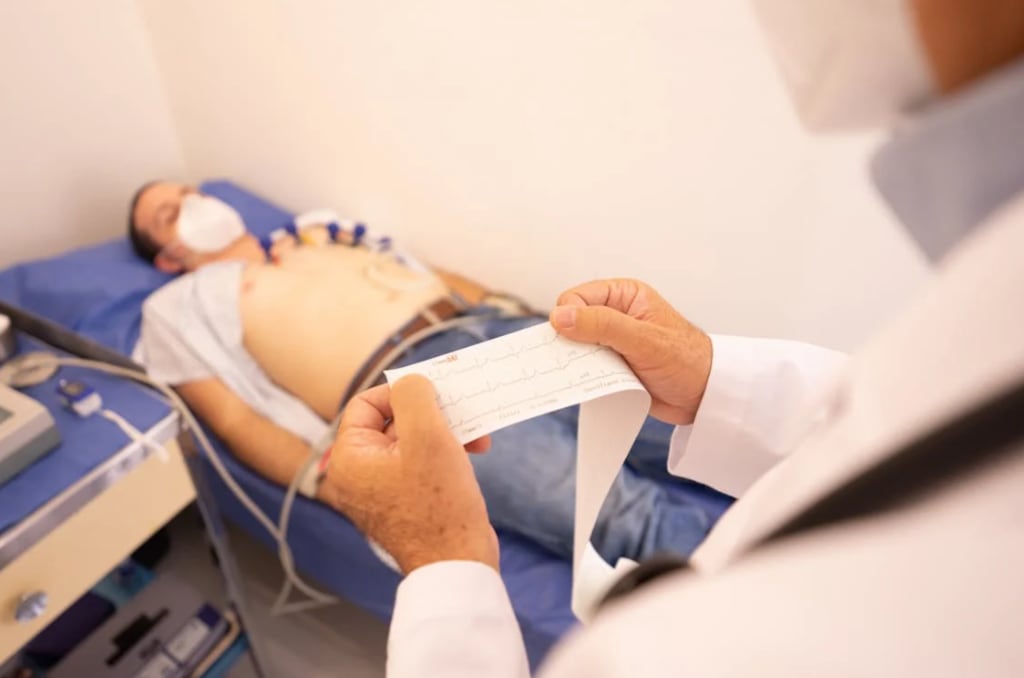
Cardiac catheterization is a common heart procedure used to diagnose and treat various heart conditions. While generally safe, it does carry some risks that patients should be aware of.
The most common risks include bleeding, infection, and allergic reactions to the contrast dye used during the procedure.
Understanding these risks can help patients make informed decisions about their care. It's important to discuss any concerns with a doctor before undergoing cardiac catheterization.
The benefits of the procedure often outweigh the risks for many patients with heart problems.
Doctors take steps to minimize risks during cardiac catheterization. They use sterile techniques, careful monitoring, and advanced imaging to guide the procedure.
Patients can also help reduce risks by following pre-procedure instructions and reporting any unusual symptoms after the test.
Understanding Cardiac Catheterization
Cardiac catheterization is a key diagnostic and treatment procedure for heart conditions. It helps doctors see inside the heart and blood vessels to find and fix problems.
Procedure Overview
Cardiac catheterization involves inserting a thin tube called a catheter into a blood vessel. The doctor guides the catheter to the heart. This lets them check blood flow and pressure.
They can also take pictures of the heart and arteries.
The procedure usually takes 30 minutes to a few hours. Patients often stay awake but get medicine to relax. Some risks include bleeding, infection, or allergic reactions. But serious problems are rare.
Doctors use special x-rays to see the catheter inside the body. They may inject dye to make blood vessels show up better. This helps find blockages or other issues.
Clinical Indications
Doctors use cardiac catheterization for many reasons. It can diagnose heart valve problems or blocked arteries. It also checks how well the heart pumps blood.
Some common reasons for the test include:
- Chest pain
- Shortness of breath
- Heart attack
- Heart failure
- Irregular heartbeat
The procedure can also treat certain heart issues. Doctors may use it to open blocked arteries or fix faulty heart valves.
It's often used before or instead of open heart surgery.
Cardiac catheterization helps plan the best treatment for each patient. It gives detailed info about the heart's structure and function.
Assessing the Risks
Cardiac catheterization involves some risks that patients should know about. Doctors weigh these risks against the benefits when deciding if this procedure is right for a patient.
Common Complications
Bleeding at the insertion site is a frequent issue after cardiac catheterization. Bruising may also occur. These problems usually clear up on their own.
More serious complications can happen, but they're rare. These include:
- Heart attack
- Stroke
- Damage to blood vessels
- Irregular heartbeats
Allergic reactions to the dye used in the test can also occur. In very rare cases, death may result from major complications.
Risk Factors for Adverse Events
Some people have a higher chance of problems during or after cardiac catheterization. Risk factors include:
- Older age
- Kidney disease
- Diabetes
- Obesity
- Lung disease
Emergency procedures carry more risk than planned ones. The skill of the doctor doing the test also affects risk levels.
Patients with allergies to iodine or shellfish may react badly to the contrast dye. It's key to tell your doctor about any allergies before the test.
Comparison with Other Cardiac Procedures
Cardiac catheterization is generally safer than open heart surgery. It has a lower risk of infection and a shorter recovery time.
But it's not risk-free. Here's how it compares to some other heart tests:
- Test >> Risk Level >> Main Risks
- Stress Test >> Low >> Chest pain, irregular heartbeat
- Echocardiogram >> Very Low >> None significant
- CT Angiogram >> Low-Medium >> Radiation exposure, kidney problems
Cardiac catheterization gives more detailed info than these other tests. This can make it worth the extra risk for some patients.
Risk Mitigation Strategies
Doctors use several methods to make cardiac catheterization safer. These include careful planning, new tools, and good care after the procedure.
Pre-Procedural Planning
Doctors check patients' health before cardiac catheterization. They look at medical records and do tests. This helps find any risks.
Patients may need to stop some medicines before the procedure. Doctors tell them which ones. They also explain what to eat and drink.
The medical team makes sure all tools are clean and ready. They check the patient's allergies. This stops bad reactions to dyes or drugs used in the test.
Technological Advancements
New tools make cardiac catheterization safer. Doctors now use smaller tubes. These cause less bleeding and heal faster.
X-ray machines use less radiation now. This protects patients and staff. Some places use 3D mapping. It helps doctors see inside the heart better.
Robots can now help with some parts of the procedure. They move very precisely. This can make the test safer and quicker.
Post-Procedural Care
After cardiac catheterization, patients need good care. Nurses check for bleeding where the tube went in. They also watch heart rate and blood pressure.
Patients must rest for a few hours. They should drink water to help clear out the dye used in the test. Nurses teach them how to care for the small wound at home.
Doctors give patients clear instructions. These cover medicines, activity limits, and follow-up visits. Patients learn what problems to watch for and when to call the doctor.
Informed Consent and Patient Education
Cardiac catheterization involves risks. Doctors must explain these risks to patients before the procedure.
This process is called informed consent. Patients receive information about the test, its benefits, and potential complications.
They learn about alternative options too. This helps them make informed choices about their care.
Education materials often include:
- Brochures
- Videos
- Detailed explanations from healthcare providers
Patients can ask questions during this process. They should understand what will happen before, during, and after the procedure.
Key topics covered in patient education:
- Reasons for the test
- How it's done
- Possible risks and benefits
- Preparation instructions
- Recovery expectations
Healthcare teams work to ensure patients feel ready. They address concerns and provide support throughout the process.
Informed patients tend to have better experiences. They know what to expect and can prepare mentally and physically for the procedure.
About the Creator
Keep reading
More stories from writers in FYI and other communities.
A Failed Artist, A Disillusioned Poet, An Underpaid Game Show Host
I took my son and niece to Gori, a small town in Georgia where Joseph Stalin was born. They talked me into visiting the Stalin's Museum, the largest in the post-Soviet space. I had resisted going there because I just can't stand the monster and know enough about him, or so I thought.
By Lana V Lynx28 days ago in FYI
How much would it cost to buy Greenland? Trump's dream of "the biggest real estate deal in history"
For more than a hundred years, American politicians have occasionally cast covetous glances toward Greenland, the world's largest island, which occupies a strategically important position between North America and Europe due to its location. But it was only U.S. President Donald Trump who revived this idea with unprecedented vigor. He first mentioned it in 2019 during his initial term, but after his re-election in 2024, he elevated it to the level of a national security priority. The Trump administration presents it as a necessary step against Russian and Chinese influence in the Arctic, access to critical minerals, and defense of the northern border.
By Elvira Diggory4 days ago in FYI




Comments
There are no comments for this story
Be the first to respond and start the conversation.