
Budget-Friendly Ways to Add Moroccan Tiles to Your Home
Start Small with Accent Walls for Maximum Impact

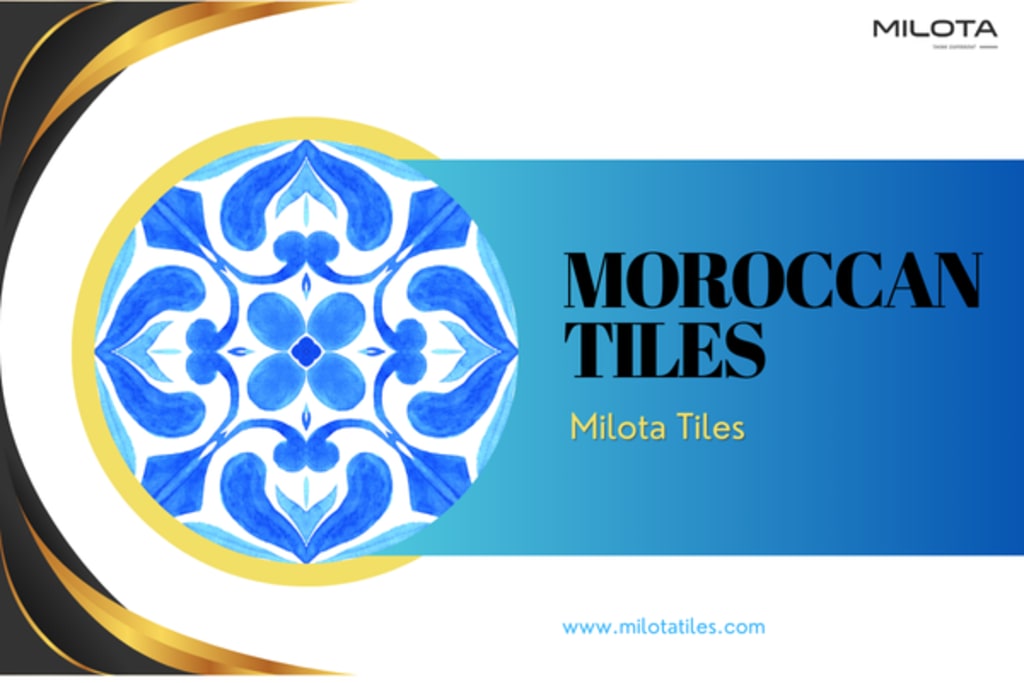
Moroccan tiles have long been celebrated for their intricate patterns, rich colors, and the instant touch of character they bring to any space. Inspired by centuries-old craftsmanship, Moroccan tiles are not just flooring materials — they are works of art that transform ordinary rooms into vibrant, story-filled spaces. But many homeowners hold back from using them, assuming they are expensive or too extravagant for everyday interiors.
The good news? You don’t need a luxury budget to incorporate Moroccan Tiles into your home design. With the right approach, clever planning, and creative ide as, you can enjoy their timeless beauty without overspending.
In this article, we’ll explore practical, cost-effective ways to integrate Moroccan tiles into your home, room by room, along with tips for mixing them with other elements like natural stone, neutral flooring, and minimalist décor.
Why Choose Moroccan Tiles for Your Home
Before diving into the budget-friendly strategies, let’s first look at why Moroccan tiles have become a favorite among homeowners, interior designers, and architects worldwide.
Unique Designs – Moroccan tiles are known for their hand-crafted appearance, geometric patterns, and bold, colorful motifs.
Versatility – Whether you want to create a statement wall, a decorative backsplash, or a patterned floor, Moroccan tiles work anywhere.
Durability – High-quality Moroccan tiles are made to last and can withstand moisture, foot traffic, and daily use.
Cultural Charm – They add a global, artistic feel to interiors, bridging modern homes with centuries-old North African tradition.
And most importantly — with the variety available today, Moroccan Tiles no longer have to be a luxury item. There are plenty of ways to make them fit within a modest budget.
1. Start Small with Accent Walls
One of the easiest ways to incorporate Moroccan tiles into your home without breaking the bank is to use them on a single accent wall. Rather than covering an entire room, tiling just one wall creates a focal point and saves material costs.
- In the Kitchen: Install Moroccan tiles on the wall behind your stove or sink to create a backsplash that pops.
- In the Living Room: Use a bold tile pattern to highlight the wall behind your TV or sofa.
- In the Bathroom: A single shower wall or the wall behind the vanity can be tiled for an exotic spa-like effect.
Accent walls work well because they require fewer tiles, and you can splurge on higher-quality designs while still staying within budget.
2. Use Moroccan Tiles as a Border or Inlay
Borders and inlays are cost-efficient techniques for introducing patterns into a room without fully covering the floor or wall.
- Floor Borders: Frame a room with Moroccan tiles and fill the center with more affordable plain tiles or polished concrete.
- Rug Effect: Create a tile “carpet” in the center of a room by arranging Moroccan tiles in a rectangular shape surrounded by neutral flooring.
- Wall Frames: Use Moroccan tiles to outline mirrors, windows, or shelves for a unique decorative detail.
These designs require fewer tiles but still deliver an eye-catching result.
3. Pair with Affordable Natural Stone Flooring
If you love Moroccan tiles but can’t afford to tile an entire floor, pair them with natural stone flooring. Using Moroccan tiles selectively as accents or borders on a stone floor creates a balance of style and affordability.
For example:
- Use Moroccan tiles as a patterned entryway medallion set into travertine or sandstone flooring.
- Combine natural stone tile flooring with Moroccan tiles in alternating squares for a rustic yet refined look.
This combination works beautifully in Mediterranean, bohemian, or eclectic home interiors.
4. Go for Peel-and-Stick Moroccan Tile Decals
For renters or homeowners not ready for a full renovation, peel-and-stick Moroccan tile decals are a brilliant solution. They are budget-friendly, easy to install, and can transform a space over a weekend.
- Appliances & Furniture: Apply decals to the front of cabinets, refrigerators, or even tabletops for a temporary makeover.
- Stair Risers: Add Moroccan tile decals to staircases for a dramatic and colorful look.
- Backsplashes: Use removable decals to create a patterned kitchen or bathroom backsplash without permanent changes.
This is one of the most affordable ways to embrace Moroccan tile design while keeping flexibility.
5. Tile Just Key Spots in the Kitchen
Kitchens are one of the most popular spaces to feature Moroccan tiles, but a full-tile job can get expensive. Instead, focus on high-impact areas:
- Partial Backsplash: Tile only behind the stove or sink.
- Open Shelving: Add Moroccan tiles to the wall behind open shelves to make dishware and décor stand out.
- Countertop Edges: Tile just the edges or sides of kitchen islands for a unique touch.
This way, you reduce the number of tiles needed while still making a strong design statement.
6. Mix Moroccan Tiles with Neutral Colors
Combining Moroccan tiles with solid-colored tiles can reduce overall costs. Choose a few decorative Moroccan tiles and surround them with plain white, gray, or beige tiles.
- Checkerboard Layout: Alternate patterned and plain tiles for a balanced design.
- Central Medallion: Place a cluster of Moroccan tiles in the center of the floor as a highlight.
- Monochrome Style: Choose Moroccan tiles in black-and-white to keep the look cohesive and modern while saving on custom color mixes.
This approach also makes the room feel less busy and more minimalist.
7. Use Leftover or Mismatched Tiles
If you have access to tile outlets, clearance sales, or leftover stock, you can find Moroccan tiles at heavily discounted rates. Mixing different patterns can create a unique, one-of-a-kind patchwork effect that adds personality to your space.
- Patchwork Wall: Use a combination of different tile patterns to create an artistic wall mosaic.
- Random Layouts: Incorporate leftover tiles into neutral flooring for surprise pops of color.
- Outdoor Accents: Use mismatched tiles for garden pathways, planter boxes, or patio edges.
8. Highlight Small Spaces with Moroccan Tiles
If a full room is too expensive, focus on small areas where Moroccan tiles can have maximum impact:
- Powder Room Walls: These tiny rooms require fewer tiles, making it affordable to use higher-quality options.
- Entryway Nooks: Welcome guests with a beautifully tiled floor or wall panel in the foyer.
- Fireplace Surrounds: Tile just the fireplace surround or hearth to create a cozy, exotic centerpiece.
Smaller areas require minimal investment but deliver maximum visual interest.
9. DIY Installation to Save Labor Costs
Labor costs often make up a significant portion of tiling expenses. If you’re comfortable with DIY projects, installing Moroccan tiles yourself can dramatically lower the budget.
- Learn the basics of tile installation from online tutorials or workshops.
- Invest in proper tools like spacers, trowels, and a tile cutter.
- Practice on a small area before tackling a major space.
Even partial DIY work — like prepping surfaces or grouting — can save you money while leaving complex cuts to professionals.
10. Shop Smart and Buy in Bulk
Finally, be strategic about where and how you purchase Moroccan tiles.
- Buy in Bulk: Suppliers often offer discounts for larger orders.
- Look for Seasonal Sales: Many tile retailers have clearance sales at the end of the year or before new collections launch.
- Compare Prices: Explore multiple vendors, both online and local, to find the best deal.
Shopping wisely ensures you get quality Moroccan tiles without overspending.
Maintaining Moroccan Tiles on a Budget
Once you’ve installed Moroccan tiles, proper maintenance is key to preserving their beauty. The good news is that they are low-maintenance when cared for correctly:
Sweep and Mop Regularly: Prevent dirt from dulling their shine.
- Seal Natural Stone Tiles: If paired with stone, apply a sealant to protect against stains.
- Use Mild Cleaners: Avoid harsh chemicals that can damage tile surfaces or colors.
Good maintenance means your investment lasts longer, which makes your budget stretch further.
Conclusion: Style Your Home Affordably with Moroccan Tiles
Moroccan tiles may be exotic and visually striking, but they don’t have to come with a luxury price tag. By using them strategically — as accents, borders, or in small spaces — and pairing them with neutral materials or natural stone, you can achieve a designer look while staying within budget.
Whether you opt for peel-and-stick decals, DIY projects, or small-scale installations, Moroccan Tiles are one of the most versatile and impactful design elements you can add to your home. They infuse your interiors with history, culture, and artistry — all without draining your wallet.
Explore the wide range of Moroccan tiles available at Milota Tiles to start your budget-friendly home transformation today.
About the Creator
Milota Tiles
Milota Tile is a proud venture of the Milota Group, rapidly emerging as a leading name in the manufacturing, distribution, and export of premium ceramic and porcelain tiles under the MILOTA brand.
Keep reading
More stories from Milota Tiles and writers in FYI and other communities.
Pairing Moroccan Tiles with Natural Stone Flooring: A Designer’s Guide
Moroccan Tiles are known for their vibrant colors, geometric patterns, and cultural richness. They have been an integral part of architecture for centuries, adding depth, dimension, and personality to both traditional and contemporary spaces. But one of the most striking design trends of recent years—and a perfect match for 2025—is pairing Moroccan Tiles with natural stone flooring.
By Milota Tiles4 months ago in FYI
The Pentagon’s Secret Videos: Are UFOs Finally “Official”?
For decades, the idea of Unidentified Flying Objects (UFOs) was relegated to the fringes of late-night talk shows and sci-fi conventions. Believers suspected the military was hiding the truth, while the "powers that be" remained silent.
By Areeba Umair7 days ago in FYI




Comments
There are no comments for this story
Be the first to respond and start the conversation.