
Budget-Friendly Moroccan Tile Ideas That Look Luxurious
Using Moroccan Tiles as Accent Features

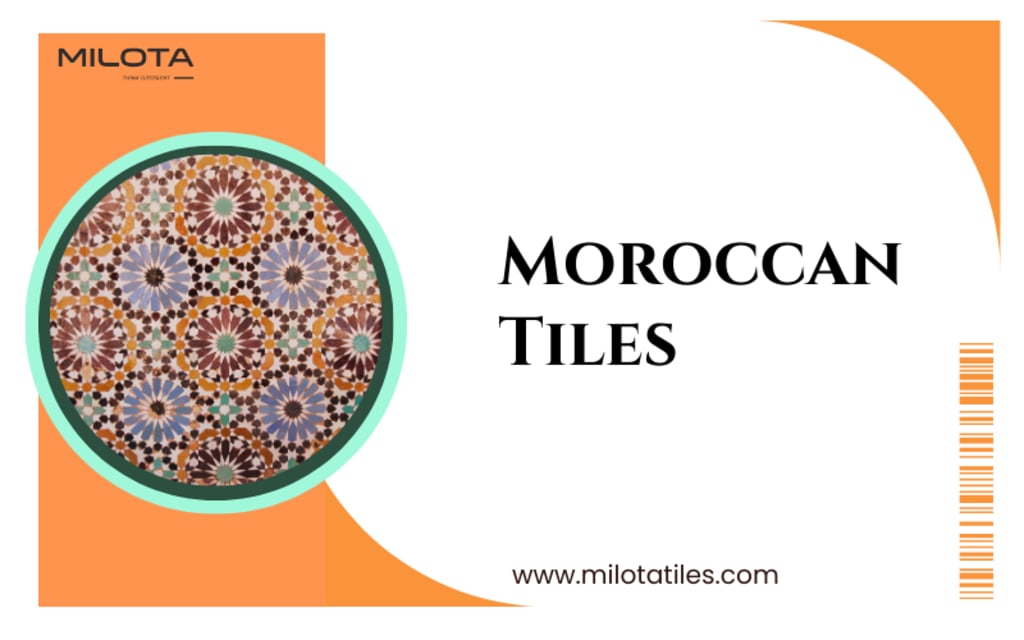
When you think of Moroccan interiors, the first images that come to mind are dazzling geometric patterns, vibrant colors, and a sense of timeless luxury. Moroccan design, with its roots in centuries of craftsmanship, is admired across the globe for transforming ordinary spaces into cultural masterpieces. Central to this design tradition are Moroccan Tiles—richly patterned, artistically glazed, and infinitely versatile.
But here’s the good news: achieving that luxury doesn’t necessarily mean spending a fortune. With smart choices and design tricks, you can bring the opulent essence of Moroccan Tiles into your home or commercial project while keeping your budget intact. This guide explores how to use Moroccan Tiles in budget-friendly ways, creating spaces that radiate sophistication without overspending.
The Enduring Appeal of Moroccan Tiles
Moroccan Tiles are more than just decorative surfaces; they represent centuries of artistry and cultural fusion. Their intricate patterns are rooted in Islamic geometric design, Andalusian influences, and North African craftsmanship. From vibrant zellige mosaics to encaustic cement-style patterns, Moroccan Tiles have become an international design trend embraced in kitchens, bathrooms, living areas, and even outdoor patios.
The key to their luxury lies in three qualities: color, geometry, and shine. A single feature wall adorned with Moroccan Tiles can instantly elevate the feel of a room. Even when used sparingly, they command attention and evoke an exotic, timeless charm. The challenge, however, is finding ways to integrate them affordably.
Why Moroccan Tiles Seem Expensive
Before we jump into cost-saving strategies, it’s worth understanding why Moroccan Tiles often carry a high price tag. Many authentic versions are handmade, with artisans shaping, glazing, and firing each piece individually. This process ensures every tile is unique but also increases labor and production costs. Imported tiles add another layer of expense through shipping, duties, and handling.
Additionally, intricate installations require skilled labor. Laying Moroccan Tiles with precision—especially small mosaics or irregular handmade zellige—demands experience, and professional installation adds to the budget.
But does that mean luxury is out of reach? Not at all. With a little creativity, you can enjoy the same richness Moroccan Tiles bring to luxury interiors, while sticking to a cost-conscious plan.
Strategy 1: Use Moroccan Tiles as Accents, Not Full Coverage
One of the simplest ways to reduce costs is to limit how many Moroccan Tiles you use. Instead of tiling an entire floor or wall, focus on smaller zones that create maximum impact.
- Kitchen Backsplashes: A vibrant backsplash behind your stove or sink can serve as the centerpiece of the kitchen. Pair Moroccan Tiles with neutral cabinetry to let them shine.
- Bathroom Niches: Instead of covering all four walls, add Moroccan Tiles in the shower niche or a single feature wall. This creates a spa-like feel at a fraction of the cost.
- Entryway Statements: A small tiled section in the foyer or a patterned “rug” of Moroccan Tiles at the doorstep sets the tone of luxury immediately.
- Fireplace Surrounds: Surrounding your fireplace with Moroccan Tiles turns a functional corner into a luxurious design element.
By using them strategically, you amplify their beauty while minimizing quantity and expense.
Strategy 2: Choose Budget-Friendly Tile Materials
Authentic hand-cut zellige tiles are stunning but costly. For budget projects, consider more accessible alternatives that replicate the look without the hefty price tag.
Ceramic and porcelain tiles printed with Moroccan patterns are widely available and significantly cheaper. These tiles often come in larger sizes, making installation quicker and less expensive. Thanks to digital printing technology, they can closely mimic the vivid colors and patterns of artisan Moroccan Tiles.
Another affordable option is cement-style tiles. While genuine encaustic cement tiles are heavy and porous, many manufacturers now produce lighter, glazed versions that deliver the same bold patterns at a lower cost. These are especially popular in areas like kitchens and patios, where they bring personality without breaking your budget.
Strategy 3: Work with a Simplified Color Palette
Luxury doesn’t always come from how many colors you use; often it comes from restraint. Moroccan Tiles are known for their kaleidoscope of shades—turquoise, ochre, cobalt blue, emerald green, and deep reds. But using just two or three colors from this palette can create a look that feels modern, sophisticated, and more expensive.
For example, a monochrome Moroccan Tile design in shades of grey or black and white can look extremely luxurious in contemporary settings. Limiting the palette reduces visual clutter, allows for easier mixing with neutral furnishings, and often makes budget tiles appear more high-end.
Strategy 4: Focus on Feature Walls
If you dream of covering an entire wall with Moroccan Tiles but worry about cost, here’s a compromise: pick one wall and let it carry the drama. In living rooms, this could be the TV backdrop. In bedrooms, it could be the wall behind the headboard. In bathrooms, it might be the shower wall.
By concentrating your investment on one surface, you create a dramatic luxury effect without needing to purchase hundreds of square feet of tile. Pair that feature wall with plain, affordable tiles on the other walls to balance style with cost.
Strategy 5: Combine Moroccan Tiles with Neutral Companions
Another smart design trick is mixing Moroccan Tiles with plain or solid-colored tiles. For example, you can create a striking floor by surrounding a patterned Moroccan Tile “rug” with neutral tiles like beige porcelain or white ceramic.
This method reduces how many Moroccan Tiles you need while ensuring they remain the star of the space. The contrast between patterned and plain surfaces also creates a curated, designer look often associated with luxury interiors.
Strategy 6: Play with Scale for a Luxe Feel
Budget Moroccan Tiles often come in larger, machine-produced formats. While smaller handmade tiles have artisanal charm, larger tiles can look more contemporary and luxurious—especially when installed with minimal grout lines.
For example, oversized Moroccan Tile prints in 12x12 or 24x24 formats can cover more area quickly, reduce installation costs, and create a sleek look. When used on a feature wall or floor, these large-format tiles deliver drama without requiring the precision labor of tiny mosaics.
Strategy 7: Elevate Tiles with Lighting and Accessories
Sometimes, luxury is not about the tile itself but about how you showcase it. Even budget Moroccan Tiles can look expensive if paired with the right lighting and accessories.
Install warm LED lights or under-cabinet strips to highlight the glossy glaze or subtle texture of tiles. Metallic finishes—like brass faucets, gold handles, or bronze light fixtures—amplify the exotic elegance Moroccan Tiles are known for. By styling thoughtfully, you elevate affordable tiles into a high-end design statement.
Strategy 8: Pay Attention to Grout and Installation
A detail often overlooked in budget renovations is grout. Cheap or mismatched grout can instantly downgrade the appearance of even the most beautiful tiles. To achieve a luxury finish, always select grout color intentionally. Matching grout creates a seamless, elegant surface, while contrasting grout highlights patterns with sharp definition.
Equally important is proper installation. Crooked lines, uneven cuts, or messy sealing can ruin the luxury effect. Investing in skilled installation ensures that even budget Moroccan Tiles look refined and professional.
Strategy 9: Use Moroccan Tiles Outdoors for Instant Prestige
Don’t limit Moroccan Tiles to interiors. Outdoor areas—patios, verandahs, garden pathways—can also benefit from their charm. A patterned tile “carpet” under a seating area, or a tiled garden wall, instantly elevates outdoor spaces.
Since exteriors demand durability, porcelain Moroccan Tiles are the most budget-friendly choice here. They mimic the look of authentic artisan tiles while offering resistance to weather and wear. With a modest investment, your outdoor area can feel like a luxurious Mediterranean retreat.
Strategy 10: Source Tiles Locally and Look for Discounts
Luxury on a budget also depends on where you buy. Imported Moroccan Tiles can be costly due to shipping and customs. But many local suppliers now produce Moroccan-style tiles at affordable prices. By sourcing locally, you save significantly on logistics while still achieving the desired aesthetic.
Another trick is to explore clearance sales, end-of-season collections, or discontinued designs. These often come at heavily reduced prices but deliver the same striking look. With some creativity, you can incorporate them into your project as accents or focal points.
Design Inspiration: Spaces that Shine with Moroccan Tiles
To visualize the effect of Moroccan Tiles on a budget, imagine these real-life scenarios:
- A Compact Kitchen: White cabinets, simple countertops, and a splash of Moroccan Tiles in the backsplash. Just a few square feet of patterned tiles turn the space into a culinary haven.
- A Cozy Bathroom: Plain white tiles on most walls, with Moroccan Tiles covering the shower niche. Add a brass showerhead and pendant light, and the bathroom feels like a boutique spa.
- A Living Room Corner: Neutral walls paired with a Moroccan Tile accent wall behind a bookshelf or TV unit. The patterned wall becomes an art piece, giving the room personality.
- An Outdoor Patio: Affordable porcelain Moroccan Tiles forming a mosaic rug under the dining set, surrounded by neutral stone. Guests immediately feel the touch of exotic luxury.
Each example proves that you don’t need hundreds of tiles—just thoughtful placement.
Maintenance Tips for Lasting Luxury
Once you’ve invested in Moroccan Tiles, keeping them beautiful ensures they maintain their luxurious appeal. Regular cleaning with mild detergents is essential, as harsh chemicals can dull glazes or damage printed surfaces. For porous tiles, sealing is a must to prevent stains.
Pay attention to grout lines, which can discolor over time. Periodic re-sealing of grout helps tiles look fresh and polished. By maintaining them properly, even budget Moroccan Tiles will continue to exude richness for years.
Bringing It All Together
Luxury doesn’t always require extravagance. With Moroccan Tiles, a well-designed budget approach can deliver the same charm and sophistication as high-end projects. The key lies in using tiles strategically, choosing affordable materials, complementing them with neutral companions, and amplifying their beauty through lighting and styling.
Whether it’s a bold backsplash, a serene bathroom niche, or a stunning outdoor patio, Moroccan Tiles can transform your space into an exotic retreat without straining your finances. At Milota Tiles, you’ll find a curated collection of Moroccan-style tiles that balance affordability with elegance, helping you bring timeless Moroccan luxury into your home with ease.
So, go ahead—embrace the vibrance, geometry, and charm of Moroccan Tiles. With smart planning, your home can look every bit as luxurious as a Moroccan riad, even on a modest budget.
About the Creator
Milota Tiles
Milota Tile is a proud venture of the Milota Group, rapidly emerging as a leading name in the manufacturing, distribution, and export of premium ceramic and porcelain tiles under the MILOTA brand.
Keep reading
More stories from Milota Tiles and writers in FYI and other communities.
15 Moroccan Tile Remodels That Transformed Rooms
There is something enchanting about Moroccan Tiles. Their vibrant colors, intricate geometry, and handcrafted charm make them one of the most timeless and transformative elements in interior design. For centuries, Moroccan artisans have perfected the art of zellige and hand-painted motifs, passing down techniques that still influence design trends today. In 2025, Moroccan Tiles continue to inspire remodels that elevate ordinary spaces into extraordinary ones.
By Milota Tiles6 months ago in FYI
Top 10 Luxury Travel Experiences Around the World for 2026
Luxury travel in 2026 is no longer just about opulence; it’s about immersive, transformative experiences that combine comfort, adventure, and cultural depth. For seasoned travellers seeking something beyond ordinary vacations, the world offers a rich tapestry of unique journeys—from private islands to cultural explorations with personal guides. Below, we explore ten luxury travel experiences that promise exclusivity, personalization, and unforgettable memories.
By All 4 Seasonabout 21 hours ago in FYI


Comments
There are no comments for this story
Be the first to respond and start the conversation.