
Brighton Parents’ Guide to Myopia Control for Kids
Myopia Control for Kids
Good vision is critical to a child’s learning, growth, and confidence. In recent years, more children have been diagnosed with myopia, also known as nearsightedness — a condition where distant objects appear blurry. With an increase in screen time and reduced outdoor activities, early-onset myopia is becoming more common across communities like Brighton.
This guide will help Brighton parents understand the condition, explore modern eye treatment options, and actively discover how to support their child’s visual health through expert eye care in Brighton.
What is Myopia & Why It Matters?
Myopia occurs when the eye grows too long or the cornea is too curved, causing light to focus in front of the retina instead of on it. Kids with myopia may be crooked, suffering headaches, or have difficulty seeing objects on the white board in school.
Why It Matters:
• If untreated, myopia can progress quickly.
• Advanced stages of nearsightedness can raise the chances of developing severe vision conditions later in life, such as issues with the retina or increased eye pressure.
Children with untreated myopia may struggle academically and feel less confident in everyday situations due to poor distance vision.
Common Signs of Myopia in Children
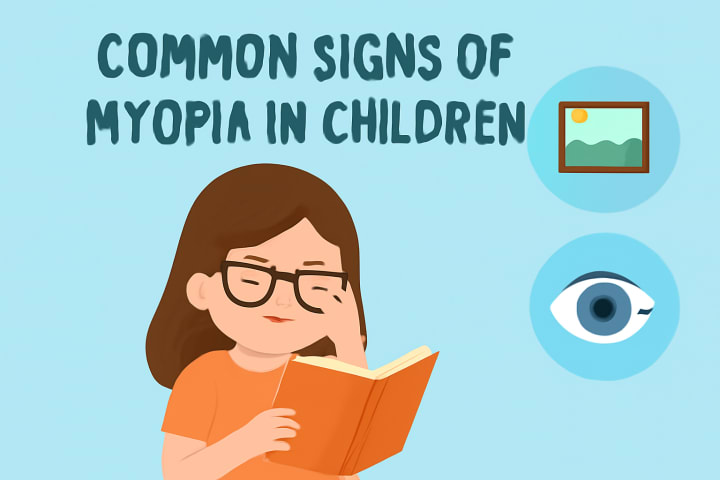
Parents in Brighton should watch for these early indicators:
• Squinting to see distant objects
• Sitting too close to the TV or digital screens
• Holding books close while reading
• Frequent headaches or eye strain
• Complaints about blurry vision
Top Myopia Control Options Available
Modern eye treatments in Brighton and other Ontario towns offer various solutions to slow the progression of myopia.
1. Prescription Glasses for Myopia Control
Special lenses like peripheral defocus lenses are designed to reduce eye strain and limit further elongation of the eyeball.
2. Orthokeratology (Ortho-K)
These are gas-permeable contact lenses worn nightlong to reform the cornea briefly. Wearing Ortho-K lenses while sleeping allows kids to wake up with clearer sight throughout the day, without needing glasses or contact lenses.
3. Atropine Eye Drops
Low-dose atropine drops have been found to slow myopia progression in children effectively. They're usually used at bedtime under supervision.
4. Multifocal Contact Lenses
These lenses are worn during the day and have zones that help control how light enters the eye, limiting the progression of myopia.
Lifestyle Changes That Help
While clinical treatments are essential, daily habits also influence eye health.
✔️ Encourage Outdoor Play
Studies show that spending at least 90 minutes outdoors each day can slow the progression of myopia. Natural light supports healthy eye development.
✔️ Limit Screen Time
Manage your child’s exposure to digital screens by establishing healthy usage limits and encouraging breaks
✔️Create a Vision-Friendly Environment
Ensure proper lighting while reading or doing homework. Avoid screen glare and keep digital devices at a healthy distance.
When Should Kids Get Eye Tests?
Routine eye exams in Brighton are crucial. Children should have their eyes checked:
• At 6 months
• Again, at age 3
• Before starting school
• Every year thereafter, especially if they wear glasses or have a family history of myopia
Immediate finding means better results and more therapy choices.
How Brighton Parents Can Support Their Child’s Vision Journey
• Ask questions during eye exams.
• Ensure your child wears prescribed glasses or lenses properly.
• Track changes in vision and note complaints like eye strain.
• Keep communication open with optometrists or eye care professionals.
Why Localized Eye Treatment in Brighton Matters
Having access to reliable vision in Brighton means:
• Eye treatment approaches can be tailored to match your child’s age, vision needs, and how their eyes are developing over time.
• Regular checkups and adjustments to prescriptions
• Community familiarity and continuity of care
Ontario’s regulated optometrists offer trusted care backed by provincial health standards.
Quick Tips Recap: How to Stay Ahead of Myopia
• Don’t ignore vision complaints.
• Schedule eye tests for kids.
• Promote more time outside and responsible screen habits to support healthy eyesight.
• Explore proven myopia control treatments early.
Conclusion
Nearsightedness isn’t just about poor distance vision; it can influence your child’s overall well-being and future eye health if not managed early. Fortunately, Brighton families have access to advanced eye treatment options that can slow the progression of myopia and preserve their child’s visual potential.
By staying informed, acting early, and working closely with local optometrists, parents can make empowered decisions to protect their child’s sight. Learn more about what to do if your child is nearsighted and take proactive steps toward healthier vision.
About the Creator
Jared Medford
At Cunningham Optical One, we offer a perfect blend of style and innovation with our high-quality eyewear. Designed for durability and comfort, our glasses enhance both your vision and your look.
Keep reading
More stories from Jared Medford and writers in FYI and other communities.
Your Guide to Cataract Symptoms and Treatments in Fort Wayne
Our vision plays a significant role in how we experience the world. Over time, it’s natural for eyesight to decline, and one of the most common causes is cataracts. If you're based in Fort Wayne or nearby areas, knowing this condition, its early signs, and how modern treatment options can help restore clear vision is essential.
By Jared Medford9 months ago in Families
A Failed Artist, A Disillusioned Poet, An Underpaid Game Show Host
I took my son and niece to Gori, a small town in Georgia where Joseph Stalin was born. They talked me into visiting the Stalin's Museum, the largest in the post-Soviet space. I had resisted going there because I just can't stand the monster and know enough about him, or so I thought.
By Lana V Lynx28 days ago in FYI
Inside the Nipah Virus Outbreak in India
In the shadowy intersections between humans and the wild, sometimes something ancient stirs. That’s the story of the Nipah virus, a microscopic agent that lurks within fruit bats but can unleash devastating effects in humans. It doesn’t announce itself with fanfare. Its presence is a whisper until suddenly it becomes a thunderclap. And right now, that thunder is echoing through parts of India.
By Aarsh Malik7 days ago in FYI


Comments (1)
This article is really useful. I've seen kids squinting a lot these days, which makes me think about myopia. It's concerning how common it's getting with more screen time. You mention special glasses for myopia control. Have you seen them work? Also, how do Ortho-K lenses actually reshape the cornea? It sounds interesting but a bit complicated. Would love to hear more about these treatments from parents who've tried them.