
Brain Detox
A Comprehensive Guide to Refresh Your Mind

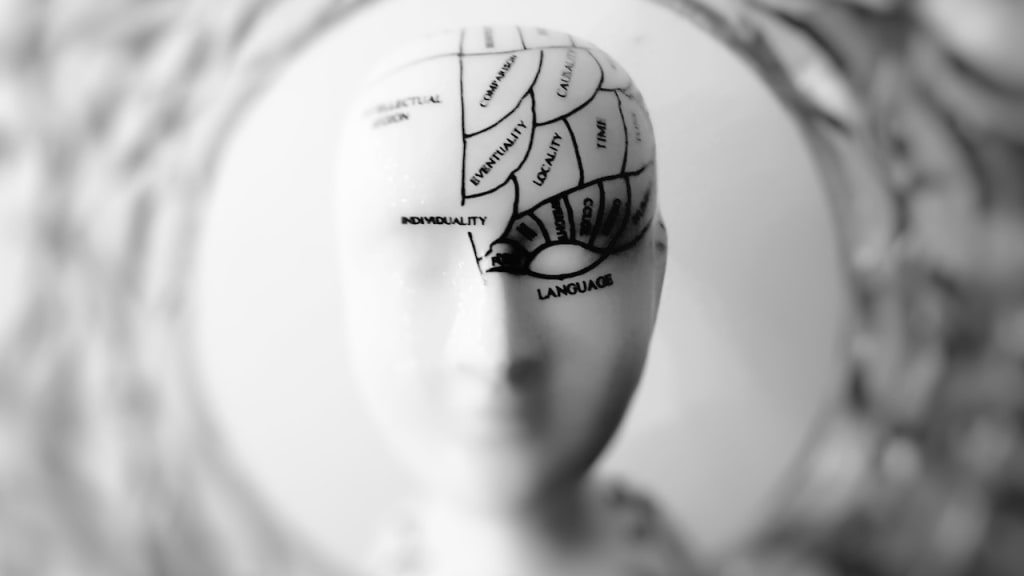
Brain Detox: A Comprehensive Guide to Refresh Your Mind
Our brains are the control center of our body. They are responsible for everything we do, think, and feel. However, just like any other organ, our brains can become cluttered and overwhelmed. The constant barrage of information, stress, and negativity can leave us feeling exhausted and unable to function at our best. This is where brain detox comes in.
Brain detox refers to the process of eliminating negative thoughts, emotions, and behaviors that are holding us back from achieving our full potential. It involves a combination of lifestyle changes, mindfulness practices, and self-care techniques that can help refresh our minds and increase our mental clarity. In this article, we will explore the various benefits of brain detox, as well as some practical tips for achieving a clearer, more focused mind.
Why Do We Need Brain Detox?
Our brains are constantly bombarded with information, and it is easy to become overwhelmed. The negative thoughts, emotions, and behaviors that accumulate over time can have a significant impact on our mental health and overall wellbeing. Some of the common signs that indicate that we need a brain detox include:
Feeling anxious or depressed
Difficulty concentrating
Memory problems
Chronic fatigue
Irritability or mood swings
Insomnia or difficulty sleeping
Lack of motivation
Overwhelmed or stressed
If you are experiencing any of these symptoms, it may be time to consider a brain detox. By eliminating the negative thoughts, emotions, and behaviors that are holding us back, we can increase our mental clarity, reduce stress, and improve our overall wellbeing.
How to Detox Your Brain
There are many ways to detox your brain, and the best approach will depend on your individual needs and preferences. Here are some effective strategies to consider:
Practice Mindfulness
Mindfulness is the practice of being present in the moment and paying attention to your thoughts and feelings without judgment. By practicing mindfulness, you can become more aware of negative thoughts and emotions that may be cluttering your mind. This increased awareness can help you to recognize and release negative patterns, allowing you to focus on more positive and productive thoughts.
There are many ways to practice mindfulness, including meditation, deep breathing, and yoga. The key is to find a practice that resonates with you and to make it a regular part of your routine.
Get Adequate Sleep
Sleep is essential for overall health and wellbeing, and it plays a critical role in brain detox. When we sleep, our brains have a chance to rest and recharge, which is essential for mental clarity and focus. Lack of sleep can lead to brain fog, memory problems, and difficulty concentrating.
To ensure that you are getting adequate sleep, try to establish a consistent sleep schedule and create a relaxing bedtime routine. Avoid stimulating activities before bed, such as using electronics or engaging in intense exercise. Instead, focus on calming activities like reading or taking a warm bath.
Eat a Healthy Diet
The foods we eat can have a significant impact on our mental health and wellbeing. Eating a healthy, balanced diet that is rich in nutrients can help to support brain function and improve mental clarity. Some of the best foods for brain health include:
Fatty fish, such as salmon, sardines, and tuna
Nuts and seeds, such as almonds, walnuts, and flaxseeds
Leafy greens, such as kale, spinach, and broccoli
Berries, such as blueberries, strawberries, and blackberries
Whole grains, such as brown rice, quinoa, and oats
It is also important to avoid processed foods, sugary drinks, and excessive alcohol consumption, as these can have a negative impact on brain health.
Exercise Regularly
Regular exercise is not only beneficial for physical health, but it can also have a positive impact on mental health and wellbeing. Exercise releases endorphins, which are natural feel-good chemicals that can help to reduce stress and improve mood. Exercise also increases blood flow to the brain, which can improve cognitive function and mental clarity.
To reap the benefits of exercise for brain detox, aim to incorporate physical activity into your daily routine. This could be as simple as taking a brisk walk, practicing yoga, or doing a short workout at home. The key is to find an activity that you enjoy and that you can realistically stick to over time.
Practice Gratitude
Gratitude is the practice of focusing on the positive aspects of life and expressing appreciation for them. By cultivating gratitude, you can shift your focus away from negative thoughts and emotions and towards more positive and uplifting experiences. This can help to reduce stress and improve overall wellbeing.
To practice gratitude, try to make a habit of reflecting on the things that you are thankful for each day. This could be as simple as keeping a gratitude journal, where you write down a few things that you are grateful for each day. You can also try expressing gratitude to others, either verbally or through a handwritten note or email.
Reduce Screen Time
In today's digital age, we are constantly surrounded by screens, whether it's our phones, computers, or televisions. While technology can be useful and entertaining, excessive screen time can have a negative impact on mental health and wellbeing. Studies have shown that excessive screen time can lead to decreased cognitive function, poor sleep quality, and increased risk of depression and anxiety.
To reduce screen time, try to establish boundaries around when and how you use technology. For example, you could establish a "tech-free" time each day, such as during meals or in the hour before bedtime. You could also try setting limits on how much time you spend on social media or other digital platforms.
Practice Self-Care
Self-care refers to the practice of taking care of your physical, emotional, and mental health. By prioritizing self-care, you can reduce stress and improve overall wellbeing. Self-care practices could include anything from taking a relaxing bath, to practicing meditation, to spending time in nature.
To incorporate self-care into your routine, try to identify the activities that make you feel relaxed and rejuvenated. These could be simple activities, such as taking a walk or listening to music, or more indulgent activities, such as getting a massage or taking a weekend trip. The key is to prioritize self-care as an essential part of your overall health and wellbeing.
Conclusion
Brain detox is an essential practice for maintaining optimal mental health and wellbeing. By eliminating negative thoughts, emotions, and behaviors that are holding us back, we can increase our mental clarity, reduce stress, and improve our overall wellbeing. There are many effective strategies for brain detox, including practicing mindfulness, getting adequate sleep, eating a healthy diet, exercising regularly, practicing gratitude, reducing screen time, and practicing self-care. By incorporating these strategies into our daily lives, we can achieve a clearer, more focused mind and a greater sense of overall wellbeing.
About the Creator
Santhosh Ramesh
An eccedentesiast human who was loving to create contents and journaling.
Consider subscribe me for more contents.
Keep reading
More stories from Santhosh Ramesh and writers in FYI and other communities.
Silence
In a world that constantly bombards us with noise and stimulation, the value of silence can easily be overlooked. However, silence is not just the absence of sound; it is a powerful force that can bring about a multitude of benefits for our mental, emotional, and physical well-being. In this blog, we will explore the significance of silence and how we can incorporate it into our daily lives to reap its many benefits.
By Santhosh Ramesh 3 years ago in FYI
Which Military Patch Is Best: Embroidered, PVC, or Woven?
Military patches serve as powerful symbols of pride, honor, and identity. These small yet significant emblems proudly represent specific units, ranks, missions, and achievements, carrying stories that extend well beyond mere fabric and thread. When it comes to selecting the best type of military patch, however, one crucial question often arises: Should you opt for embroidered, PVC, or woven patches?
By Willamsone5 days ago in FYI
Review of 'Man on the Run'
My wife and I saw Man on the Run, a nearly 2-hour documentary on Amazon Prime, about Wings, Paul McCartney's group that flew around the world from shortly after The Beatles broke up in early 1970 to shortly after John Lennon was murdered at the end of 1980, making a Beatles reunion forever impossible.
By Paul Levinson7 days ago in Beat




Comments
There are no comments for this story
Be the first to respond and start the conversation.