
Beware of the elves
Icelanders and their belief in the hidden folk



Iceland. Rugged, isolated, otherworldly and perhaps one of the last living places where ethereal beings known as elves can still be found, unchanged and apparently thriving for hundreds of years. Well, according to recent studies, this is what at least 62% of the modern Icelandic population believes.
Yes, you read that correctly. More than half of Icelanders believe that these invisible to the human eye, immortal beings co-inhabit the rocky majestic landscapes they also call home. Can you believe that?
When I first found out this fact a couple of years ago I must confess, although it might sound crazy to some, my heart skipped a beat and I suddenly had a new profound fondness for the Icelandic people and strong desire to book a plane ticket to go there. I mean, just look at the pictures of the cute and perfectly formed little elven houses that pop up around the countryside!
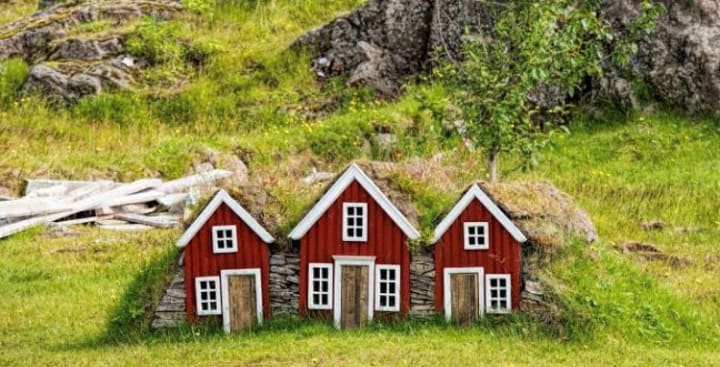
So let's look in more detail at what exactly 62% of Icelanders believe when they think of their elven friends. Well for one, they say that mostly the elves live in the craggy volcanic rock formations and mountains which are scattered across the countryside. They have homes, common buildings and even elven churches where they congregate socially and live out their day to day lives. These churches are supposedly connected by light to other elven churches across Iceland and indeed the world, so destroying one can be very unforgivable.
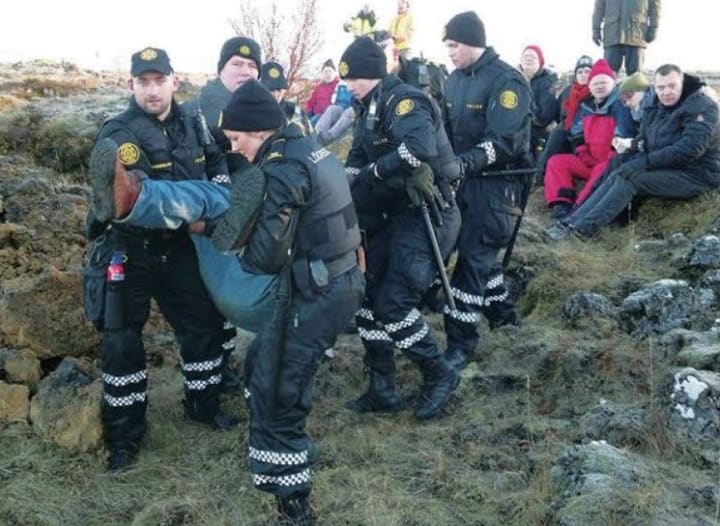
The elves have human friends who are standing up for their so called rights and local environmentalists often protest at building sites or new road developments that plan to cut through the elven landscapes across the country. These people truly believe the elves should not be disturbed or very bad things will happen to the culprits. In fact, there are stories of farm hands and building contractors who have ignored the warnings and met with the perils and the consequences of encroaching on elven territory. Tales of expensive machinery breaking down, broken limbs, strange and horrible accidents, nasty falls and even on occasion death, spread through the community in a hearsay sort of fashion.
So let’s look at the possibility of why so many people still believe in the hidden folk, or the Huldufolk, as the elves are locally known. Like most traditions and stories from around the world, we have to go back to the beginning. The Vikings first came to Iceland in the 870’sAD, they were more than likely the first humans there and of course brought with them their tales and stories of their gods and folklore. The first mention of elves in Iceland actually came from poems that mentioned the elves dating back to the Viking era around 1000AD. The isolation and magically dramatic landscapes of Iceland (volcanoes, mountains, waterfalls, unique rock formations) all make for the perfect setting for myths and legends and of course for ethereal beings to live and breathe there. Like Middle Earth but in real life.
It may sound surreal and somewhat strange for humans nowadays to believe in creatures most of us recognise from childhood stories but sceptics in Iceland and from around the world have tried to make sense of it. Many coming to the conclusion that what the Icelandic people who believe in elves are actually doing is connecting the unseen and uncontrollable forces of mother nature to beings of humanoid form to better understand and respect the environment around them. In days gone by, if a farmer's crop was spoiled by weather or some other force of nature, it was more tangible for him to blame it on unhappy elves than on the unseen and unexplainable weather that he did not or could not understand. What he may do in response is honour the elves and try to keep them happy by perhaps not planting a crop in that certain field or at that time of year. It was a belief to help endure their early, very isolated existence in a place of great environmental ups and downs in a time when science had not yet decoded the complex workings of mother nature.
To some Icelanders, the elves are protectors of nature and keep that delicate balance in place even when we humans should, but do not. The elves are somewhat of a throwback to a simpler time when we were more connected with the land and the elements although not having the knowledge to understand how exactly it all worked. The elves were a face to the unseen and that made it more familiar and connectable to the people living there.
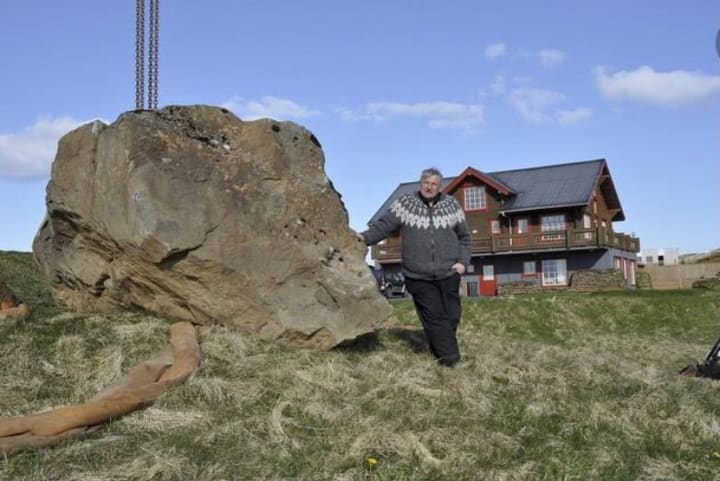
There are many other, even modern stories to share about this topic such as in 2010, a former member of the Icelandic Parliament named Arni Johnsen was in a pretty serious icy car accident and survived without any major injuries. He credited his survival to a family of elves who lived in a rock near the crash site. He believed that they had saved his life and when the time came to return the favour, when a road was planned for construction that would destroy the elven rock and surrounding area, Arni got the 30 ton rock transported to a quiet spot on his property and in turn saved the elves lives. A well educated and respected man honouring the traditions and respect of his country. This is just one of many known and spoken about stories in Iceland about the elves which are tied into folklore and ancient traditions.
Now whether you truly believe in the Icelandic elves or not, as outsiders, I don't think it really matters. It is a part of their culture and traditions and makes Iceland unique and magical. In my opinion it is not dissimilar to Scottish people, like me, believing in Nessie, the Loch Ness Monster. Of course I know she probably doesn't exist but I love the wonder and awe she creates in my mind when there’s a niggling thought right at the back that often replies with but what if she is real? Beliefs, folklore, fairy tales, myths and legends are part of the human condition, they were the coping mechanisms and understandings of our early ancestors to make sense of the world they lived in.
I love hearing of different traditions from around the world and I believe that unique and interesting beliefs like this one give a country their own heart and soul and really add colour to the people and culture. Plus I must say, like the Icelanders, I am very partial to a good old fashioned fairy tale.
About the Creator
E M
Hey there! ☺️ Thanks for stopping by. Hopefully you enjoy some of my work!


Comments
There are no comments for this story
Be the first to respond and start the conversation.