
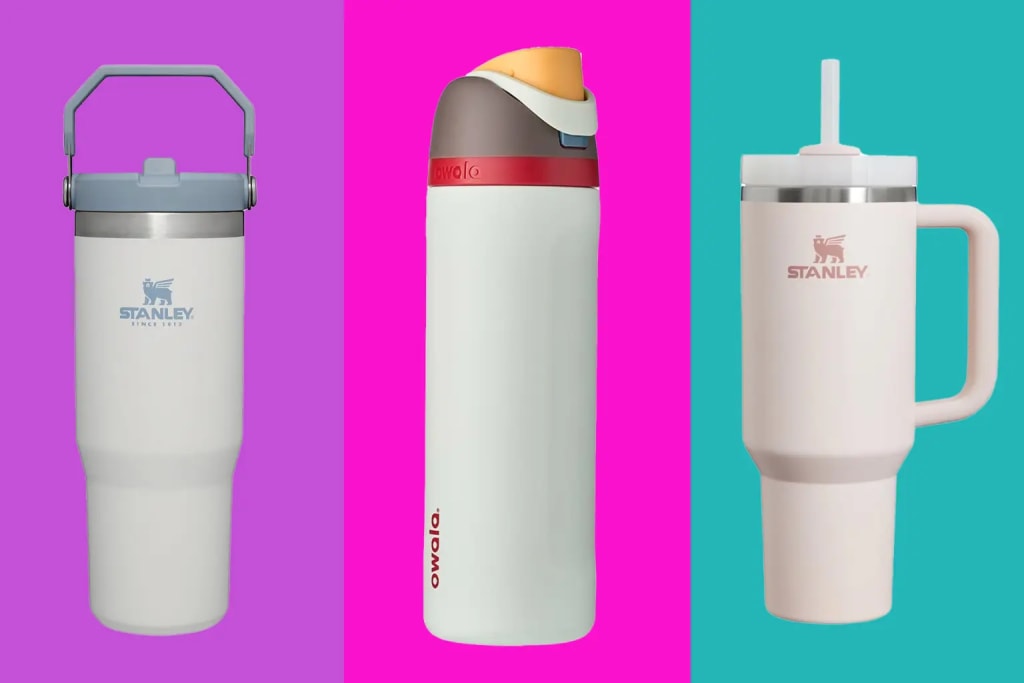
Comparing YETI, Stanley, and Owala: A Comprehensive Guide to Choosing the Right Water Bottle
When it comes to staying hydrated on the go, having a reliable water bottle is essential. YETI, Stanley, and Owala are three prominent brands in the hydration market, each offering distinct features and benefits. This blog post will help you navigate their offerings by comparing their histories, material quality, insulation performance, design, pricing, and environmental considerations.
Histories and Market Positions
YETI: Established as a premium brand targeting outdoor enthusiasts, YETI quickly became a favorite for its rugged, high-quality products. Known for its high-end design and superior functionality, YETI is often seen as a status symbol in the adventure community.
Example: YETI Rambler 26 oz Bottle, starting at $40 on Amazon.
Stanley: With a legacy of over a century, Stanley is renowned for its durability and reliability. The brand's iconic vacuum bottles have supported explorers and workers alike, blending tradition with tried-and-true performance.
Example: Stanley IceFlow 30oz Tumbler, starting at $35 on Amazon.
Owala: The newest among the three, Owala appeals to a younger, style-conscious demographic with its sleek designs, vibrant colors, and user-friendly features. Owala’s rapid rise showcases its ability to connect with consumers seeking modern, innovative hydration solutions.
Example: Owala FreeSip 24oz Water Bottle, starting at $26 on Amazon.
Material Quality and Durability
YETI: Crafted from robust 18/8 stainless steel (18% chromium, 8% nickel), YETI products are designed to endure a wide range of environments without denting or corroding. YETI lids are made from polypropylene (PP), while their outer plastic components use Acrylonitrile Butadiene Styrene (ABS) for added durability.
Stanley: Similar to YETI, Stanley uses 18/8 stainless steel and BPA-free plastics in its designs. Stanley’s products are renowned for their durability, though they are generally heavier than YETI and Owala offerings.
Owala: Uses Tritan plastic alongside stainless steel, providing strength and a lighter carry weight. Tritan is known for high impact resistance and clarity, balancing durability with portability and style. The product shown below is BPA free.
Insulation Performance and Temperature Retention
YETI: Known for excellent insulation performance, YETI’s double-wall vacuum technology keeps beverages cold for up to 24 hours and hot for up to 8 hours, ideal for extreme conditions.
Example: Owala FreeSip 24oz Water Bottle, starting at $26 on Amazon.
Stanley: Also excels in insulation, with products designed to keep drinks hot or cold for extended periods—up to 12 hours hot and 24 hours cold. This makes Stanley a reliable choice for both daily use and outdoor activities.
Owala: While newer, Owala bottles offer competitive insulation, keeping drinks cold for a significant time and hot for up to 12 hours. Owala’s approach is modern and effective, catering to style-conscious users who need reliable temperature control.
Design, Aesthetics, and Usability
YETI: Features a minimalist and sturdy design, ideal for those who value durability and sophistication. YETI’s clean lines and simple forms make it suitable for both outdoor and urban settings.
Stanley: Combines classic looks with practical features like easy-pour spouts and packable designs. Stanley’s timeless elegance appeals to users who value both form and function.
Owala: Offers vibrant colors, unique textures, and innovative features such as the FreeSip spout for versatile drinking. Owala’s design merges utility with modern aesthetics, perfect for active and style-conscious individuals.
Price Points and Value for Money
YETI: Positioned in the higher price range, reflecting its premium quality and superior performance. YETI is ideal for those who want a long-term hydration solution for demanding use.
Stanley: Provides a more budget-friendly option while maintaining high quality. Stanley’s balance of affordability and durability makes it an attractive choice for cost-conscious consumers.
Owala: Offers a middle-ground pricing strategy, providing stylish and functional products at a reasonable cost. Owala’s value proposition lies in combining innovative design with affordable pricing.
Customer Satisfaction and Brand Loyalty
Yeti tends to be the most popular overall due to its widespread recognition, premium build quality, and strong customer loyalty. Their target Audience includes: Outdoor enthusiasts, campers, and those looking for high-end, long-lasting products.
Stanley is highly rated but appeals more to a niche market of users who appreciate its classic, dependable designs. Their target audience includes: Those who value tradition, functionality, and a classic design.
Owala is rapidly growing in popularity, particularly for those who prioritize modern features and style. Their target audience includes :Active individuals, especially younger users, and those who prefer trendy, convenient drinkware.
Environmental and Ethical Considerations
YETI: Focuses on minimizing waste and improving energy efficiency in manufacturing processes. The brand is committed to environmental stewardship and sustainable practices.
Stanley: Emphasizes sustainable materials and reducing environmental impact, reflecting a balance between tradition and responsibility.
Owala: Incorporates recyclable materials and advocates for reduced single-use plastic consumption, showcasing a commitment to sustainability despite being a newer entrant.
Each brand brings unique qualities to the table, whether it’s YETI’s premium performance, Stanley’s rugged tradition, or Owala’s modern design. Understanding these factors will help you choose the best water bottle to suit your needs and preferences.
About the Creator
Keep reading
More stories from writers in FYI and other communities.
A Failed Artist, A Disillusioned Poet, An Underpaid Game Show Host
I took my son and niece to Gori, a small town in Georgia where Joseph Stalin was born. They talked me into visiting the Stalin's Museum, the largest in the post-Soviet space. I had resisted going there because I just can't stand the monster and know enough about him, or so I thought.
By Lana V Lynx20 days ago in FYI
Hello You”: The Small Greeting With a Big Human Meaning
“Hello you” is one of the simplest phrases in the English language, yet it carries a surprising amount of emotional, cultural, and social weight. At first glance, it seems informal, even throwaway—something said without much thought. But when examined closely, “hello you” reveals how language adapts to intimacy, technology, and the human need for recognition in an increasingly fast-paced world.
By Salaar Jamali4 days ago in FYI
The Duelist
The rays of a dying red sun flashed against the onrushing blade. The grey beards say the key to dueling lies in size, speed, reach, righteous fury, whatever the person in front of them pays them to say. Matteo knew better than any it was none of these and had an undefeated record on these sands to prove it.
By Matthew J. Frommabout an hour ago in Fiction




Comments (1)
Thanks for sharing