
Automated Testing in CI/CD Pipelines
A Guide to Automated Testing
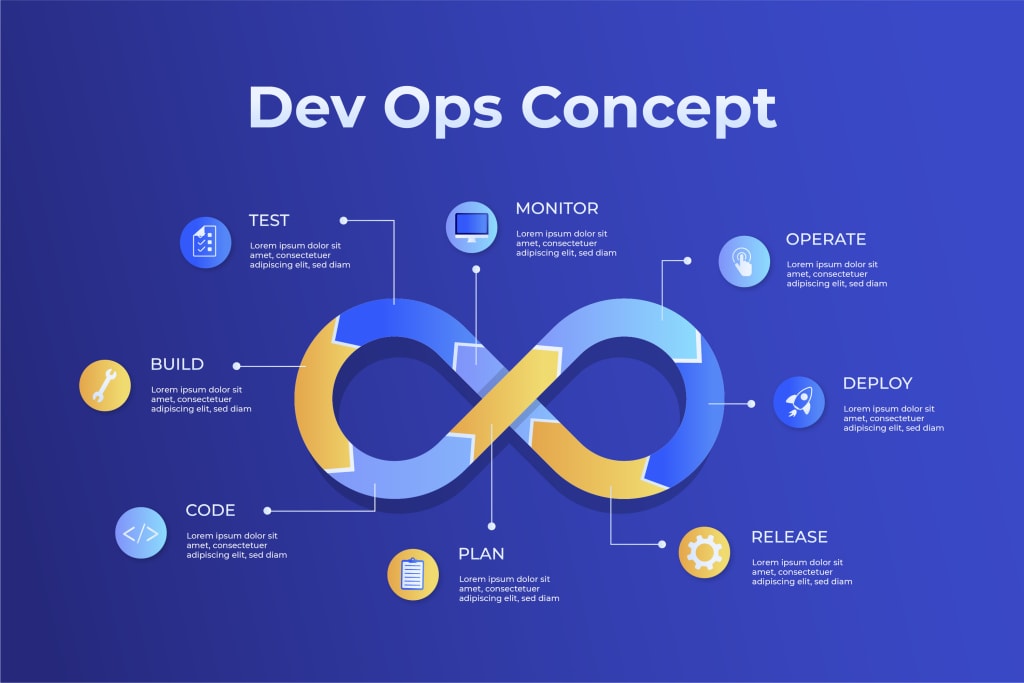
Hey guys! Today, I’m diving into something every DevOps enthusiast should care about: automated testing in CI/CD pipelines. We all know how crucial it is to keep our applications bug-free and running smoothly. Automated testing is the hero that makes this possible. Let's break it down and see why it's so essential, and how we can implement it effectively.
The Role of Automated Testing in CI/CD
Unit Testing: Testing Individual Components
When I first started with automated testing, unit testing was my go-to. It's all about checking if each part of your application works as expected. Imagine you’re building a house. Unit tests are like making sure each brick is solid before you start stacking them. By focusing on individual components, you can catch errors early, saving you a ton of headaches later.
Why it’s important:
Unit testing ensures that each piece of your code performs its function correctly. It’s the first line of defense against bugs. According to a recent study, projects with comprehensive unit tests have 40% fewer bugs in later stages of development.
Integration Testing: Making Sure Everything Plays Nice
Now, after you’ve tested your individual components, you need to make sure they work together. That’s where integration testing comes in. It’s like making sure all the rooms in your house are properly connected – the plumbing, wiring, and structure must align perfectly.
Why it’s important:
Integration tests help ensure that different parts of the application interact without issues. If one component is updated, integration tests can quickly tell you if it breaks another part. Continuous integration tools like Jenkins often automate these tests to run with every build.
End-to-End Testing: Comprehensive Workflow Testing
End-to-end (E2E) testing is the grand finale. It's about testing the whole application from start to finish, just like a user would. Imagine giving your newly built house a full inspection, from checking the front door lock to the water flow in the bathroom.
Why it’s important:
E2E tests validate the complete flow of your application, ensuring everything works in harmony. They’re critical for catching issues that unit or integration tests might miss. According to a study, companies using E2E testing report a 20-30% increase in user satisfaction due to fewer bugs reaching production.
Best Practices for Implementing Automated Testing
Selecting the Right Tools
Choosing the right tools for your automated tests is like picking the right gear for a mountain hike – essential for success. Tools like Selenium are great for web testing, while JUnit is perfect for Java applications.
Why it’s important:
The right tools can make your life much easier. They should integrate seamlessly with your CI/CD pipeline, support your programming languages, and provide reliable results. Tools like Selenium, JUnit, and TestNG have become industry standards due to their robustness and community support.
Test Automation Strategies
When it comes to maintaining and scaling automated tests, strategy is key. Think of it like planning your journey before hitting the road. You need a map, a plan, and checkpoints.
Strategies include:
1. Creating a Test Suite: Group related tests together to run them efficiently.
2. Continuous Monitoring: Use CI/CD tools to monitor test results continuously.
3. Regular Updates: Keep your tests updated with changes in the codebase.
Continuous Feedback
The best part of automated testing in CI/CD pipelines is the continuous feedback loop. It’s like having a personal trainer who gives you instant feedback on your workout.
Why it’s important:
Continuous feedback allows for immediate issue resolution, ensuring that problems are fixed quickly. This iterative process leads to better software quality and faster development cycles. Companies using continuous feedback report up to 50% faster issue resolution according to DZone.
How Professional Testing Services Enhance CI/CD Efficiency
I've seen firsthand how leveraging professional DevOps services can elevate your CI/CD game. These services bring in expertise and tools that streamline the integration of automated testing into your pipelines. For instance, a DevOps consulting company can provide tailored solutions that fit your project needs, ensuring efficient and effective automated testing processes.
Why it’s important:
Professional DevOps service providers offer invaluable insights and tools that can significantly boost your CI/CD pipeline’s efficiency. They help in setting up robust testing frameworks, ensuring continuous delivery, and maintaining high-quality standards. Their expertise can be a game-changer for your development process, leading to smoother releases and happier users.
Final Thoughts
Summary of Automated Testing Benefits
Alright, let’s wrap this up. Automated testing is a game-changer in CI/CD pipelines. It ensures individual components are bug-free, integrated parts work seamlessly, and the entire application performs as expected. This multi-layered testing approach saves time, reduces errors, and boosts overall software quality.
Looking Forward
Looking ahead, the future of testing technologies is exciting. With advancements in AI and machine learning, we can expect even more sophisticated automated testing tools. These innovations will further enhance our ability to catch and fix bugs early, ensuring higher-quality software.
Implement Automated Testing Now!
If you’re not already integrating automated testing into your CI/CD pipelines, now’s the time to start. Trust me, the benefits far outweigh the initial setup efforts. Automated testing not only improves your software quality but also accelerates your development process. So, take the plunge and see the difference it makes!
Stay tuned for more insights and tips on DevOps practices. Until next time, happy coding!
FAQs on Automated Testing in CI/CD Pipelines
1. Why is automated testing essential in CI/CD pipelines?
Automated testing is crucial because it ensures that code changes are continuously verified, reducing bugs and errors before they reach production. It speeds up the development process by providing quick feedback and maintains high code quality throughout the development cycle.
2. What types of tests should be included in a CI/CD pipeline?
You should include unit tests to check individual components, integration tests to verify that components work together, and end-to-end tests to ensure the entire application functions correctly. Additionally, security tests and performance tests can further safeguard and optimize your application..
3. Which tools are popular for automated testing in CI/CD pipelines?
Popular tools include Jenkins for continuous integration, Selenium for browser automation, and JUnit for unit testing. These tools integrate seamlessly with CI/CD pipelines, helping automate the entire testing process from development to deployment.
4. How does automated testing improve deployment frequency?
Automated testing allows for continuous integration and continuous deployment (CI/CD), enabling developers to merge code changes frequently and deploy updates faster. This leads to more frequent and reliable releases, enhancing the ability to deliver new features and fixes rapidly.
5. What are the best practices for implementing automated testing in CI/CD?
Start by selecting the right tools for your testing needs. Implement comprehensive test automation strategies, maintain your test suites, and continuously monitor test results. Ensure that tests run in stable environments similar to production to catch issues early.
About the Creator
Keep reading
More stories from writers in FYI and other communities.
A Failed Artist, A Disillusioned Poet, An Underpaid Game Show Host
I took my son and niece to Gori, a small town in Georgia where Joseph Stalin was born. They talked me into visiting the Stalin's Museum, the largest in the post-Soviet space. I had resisted going there because I just can't stand the monster and know enough about him, or so I thought.
By Lana V Lynx29 days ago in FYI
How much would it cost to buy Greenland? Trump's dream of "the biggest real estate deal in history"
For more than a hundred years, American politicians have occasionally cast covetous glances toward Greenland, the world's largest island, which occupies a strategically important position between North America and Europe due to its location. But it was only U.S. President Donald Trump who revived this idea with unprecedented vigor. He first mentioned it in 2019 during his initial term, but after his re-election in 2024, he elevated it to the level of a national security priority. The Trump administration presents it as a necessary step against Russian and Chinese influence in the Arctic, access to critical minerals, and defense of the northern border.
By Elvira Diggory4 days ago in FYI




Comments
There are no comments for this story
Be the first to respond and start the conversation.