
AUTOBIOGRAPHY OF MAHATMA GANDHI
MAHATMA GANDHI

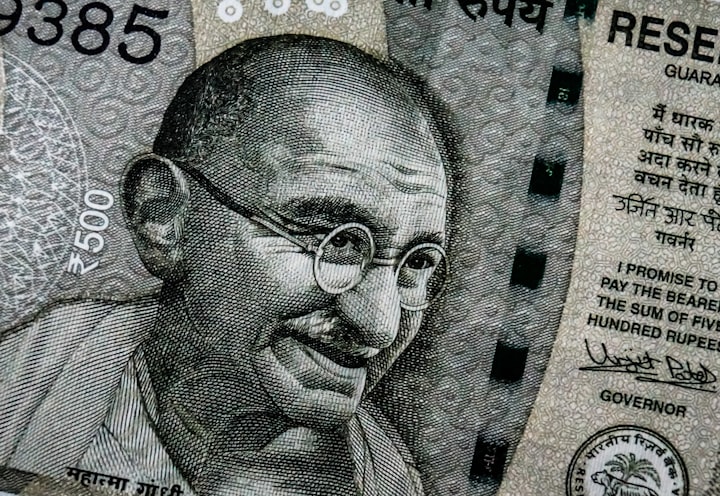
Mahatma Gandhi, one of the most iconic figures of the 20th century, needs little introduction. His life story is a testament to the power of nonviolent resistance and the pursuit of truth and justice. Born on October 2, 1869, in Porbandar, Gujarat, Mohandas Karamchand Gandhi would grow to become the leader of India's independence movement against British rule. His autobiography, "The Story of My Experiments with Truth," provides a profound insight into his life, values, and philosophy. In exploring Gandhi's autobiography, we embark on a journey through his formative years, his struggles, triumphs, and the evolution of his principles that would shape not only his life but also the destiny of a nation.
Gandhi's early years were marked by a traditional Hindu upbringing and a strong sense of morality instilled by his parents. His father, Karamchand Gandhi, served as a chief minister in Porbandar and later in Rajkot. From a young age, Gandhi was deeply influenced by the teachings of Hinduism, particularly the concepts of ahimsa (nonviolence) and satyagraha (truth force), which would later become central to his philosophy of resistance. His mother, Putlibai, exemplified simplicity and piety, traits that would greatly influence Gandhi's character.
Gandhi's journey took a pivotal turn when, at the age of 19, he traveled to London to study law. His time in England exposed him to Western culture and ideas, challenging his beliefs and shaping his worldview. While in London, Gandhi experienced racism and discrimination firsthand, an experience that would later fuel his commitment to social justice and equality. It was during this period that he began to question his identity and sought to reconcile his Indian heritage with the modernity of the West.
Upon returning to India, Gandhi faced the harsh realities of colonial rule and social injustice. He witnessed the exploitation of Indian laborers and peasants by British authorities and wealthy landowners, igniting a fire within him to fight for the rights of the oppressed. Gandhi's activism took root in South Africa, where he spent over two decades championing the rights of Indian immigrants. It was here that he first experimented with nonviolent resistance, organizing strikes and protests against discriminatory laws.
Gandhi's philosophy of satyagraha emerged as a powerful tool for social change, emphasizing the power of truth and moral courage over brute force. His methods were rooted in the principles of love, compassion, and understanding, seeking to awaken the conscience of oppressors rather than defeat them through violence. Through his campaigns in South Africa, such as the famous Salt March and the boycott of British goods, Gandhi demonstrated the effectiveness of nonviolent resistance in challenging entrenched systems of oppression.
The impact of Gandhi's activism extended far beyond the borders of South Africa. He returned to India in 1915, where he quickly emerged as a leader in the struggle for independence. Gandhi's philosophy resonated deeply with the Indian people, who were inspired by his message of self-reliance and noncooperation with British rule. He advocated for swaraj, or self-rule, emphasizing the importance of economic and political independence for India's future.
Throughout his life, Gandhi remained committed to his principles, even in the face of adversity. He endured numerous arrests, imprisonments, and personal hardships, never wavering in his dedication to the cause of freedom. His autobiography provides a candid account of his struggles and failures, as well as his moments of doubt and self-reflection. Gandhi's commitment to truth and integrity served as a guiding light in times of darkness, inspiring others to join him in the pursuit of justice.
One of the most significant chapters in Gandhi's autobiography is his involvement in the Indian independence movement. Through acts of civil disobedience, such as the nonviolent resistance to the salt tax and the Quit India movement, Gandhi galvanized millions of Indians to join the fight against British rule. His belief in the inherent dignity of every human being and his unwavering commitment to nonviolence set him apart as a moral leader in a world plagued by conflict and oppression.
Gandhi's vision for India extended beyond political independence to encompass social and economic transformation. He sought to dismantle the caste system, promote religious harmony, and uplift the marginalized sections of society. Gandhi's efforts to promote self-reliance and rural development through initiatives such as the spinning wheel (charkha) and the promotion of khadi (homespun cloth) empowered millions of Indians to assert their independence from colonial exploitation.
As India's independence drew near, Gandhi faced increasing opposition from radical factions within the independence movement. His commitment to nonviolence and his willingness to negotiate with the British authorities were seen by some as signs of weakness. Yet Gandhi remained steadfast in his belief that only through nonviolent means could true freedom be achieved. His unwavering resolve in the face of criticism and dissent earned him the admiration and respect of people around the world.
On August 15, 1947, India finally achieved independence from British rule, fulfilling Gandhi's lifelong dream. Yet, the joy of independence was overshadowed by the tragic partition of India and Pakistan, which resulted in widespread violence and bloodshed. Gandhi, deeply pained by the communal strife tearing apart the newly formed nations, embarked on a fast unto death to promote peace and reconciliation. His sacrifice ultimately helped to quell the violence and restore calm, but it also made him a target for those who opposed his vision of a united and inclusive India.
Tragically, Gandhi's life was cut short by an assassin's bullet on January 30, 1948, but his legacy lives on as a beacon of hope and inspiration for future generations. His autobiography, "The Story of My Experiments with Truth," remains a timeless testament to the power of the human spirit and the enduring quest for justice and righteousness. Gandhi's life was a remarkable journey of self-discovery and selflessness, driven by a deep sense of compassion and a unwavering commitment to the pursuit of truth. As we reflect on his life and legacy, we are reminded that the path to greatness lies not in the pursuit of power or wealth, but in the service of others and the relentless pursuit of justice and equality.
About the Creator
WILLIAM DIAGO RODRIGUES
Hi! Everyone out there I am a Online Enterpreneur love to create, write and ellaborate different niches and write different Articles to entertain and help to give and spread the knowledge which i can incalcate through different search Engin
Keep reading
More stories from WILLIAM DIAGO RODRIGUES and writers in FYI and other communities.
Israel Palestine conflict
As of my last update in January 2022, the Israel-Palestine conflict has been a longstanding and complex issue, marked by decades of tension, violence, and political deadlock. The conflict centers around competing claims to territory, national identity, and self-determination, with both Israelis and Palestinians laying claim to the land that comprises present-day Israel, the West Bank, and the Gaza Strip. Recent events, including the deadly raid in the West Bank and escalating violence, have once again thrust the conflict into the international spotlight, highlighting the urgent need for a peaceful resolution.
By WILLIAM DIAGO RODRIGUES2 years ago in FYI



Comments (1)
Wow this is so amazing job