
Amazing Benefits about Curd that you never Knew before.
Curd & it's Benefits

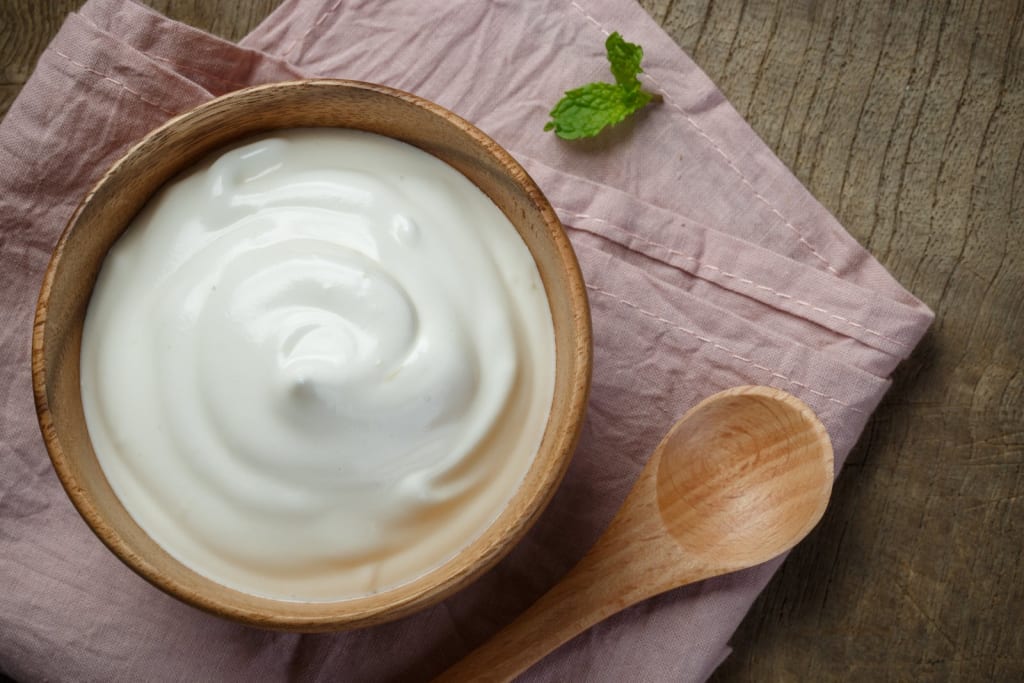
Curd, also known as yogurt, is a dairy product that is made by fermenting milk with live bacteria cultures. It has been consumed for thousands of years and is a staple food in many cultures around the world. In India, curd is a versatile food that is an integral part of Indian cuisine and culture.
Let's Know about it's Benefits :
1. Nutrient-rich: Curd is a nutrient-dense food that provides a variety of essential nutrients. For example, a 100-gram serving of curd typically contains:
Protein: Curd is a good source of protein, providing around 9 grams per 100-gram serving. Protein is essential for building and repairing tissues in the body, and is particularly important for muscle growth and maintenance.
Calcium: Curd is a good source of calcium, providing around 120 milligrams per 100-gram serving. Calcium is essential for bone health, muscle function, and nerve transmission.
Phosphorus: Curd is also a good source of phosphorus, providing around 100 milligrams per 100-gram serving. Phosphorus is important for bone health, kidney function, and energy metabolism.
Vitamin B12: Curd is a good source of vitamin B12, providing around 0.4 micrograms per 100-gram serving. Vitamin B12 is essential for brain function, nerve function, and the formation of red blood cells.
2. Healthy hair: Curd has been used for generations to keep hair and scalp healthy. Curd contains high protein and antibacterial properties, and the lactic acid in curd helps strengthen hair follicles and reduce dandruff, balding, thinning, and itchiness. To use curd for healthy hair, apply it directly to the scalp or make a paste with 4 tablespoons of curd and gram flour. Apply the paste to your scalp, massage it, and then rinse it with water. This remedy will help get rid of dandruff and give you silky and shiny hair.
3. Healthy skin: Curd is not only excellent for your hair but also for your skin. It is great for moisturizing your skin, removing acne, and preventing sunburn. To make a face pack with curd, mix 2 tablespoons of curd, 1 tablespoon of gram flour, 1 teaspoon of sandalwood powder, and a pinch of turmeric. Apply the pack evenly on your face and neck for 10 to 15 minutes, and use it every day for the best result. This mixture improves skin tone and reduces spots.
4. Good digestion: Curd aids digestion because of its probiotic properties. It is probiotic in nature, meaning it helps with the growth of good bacteria in the body and helps maintain gut health. Curd raises the lactic acid in the small intestine, creating an acidic environment in the intestine. This is necessary for adequate calcium absorption. Consuming curd regularly is also good for preventing vaginal infections and other vaginal problems.
5. Immune system support: The probiotics in curd can also help boost the immune system. Probiotics stimulate the production of antibodies and white blood cells, which are key components of the immune system. By increasing the number of these cells, curd can help enhance the body's ability to fight off infections.
6. Bone health: Curd is a good source of calcium and phosphorus, which are essential for bone health. Calcium is required for bone density, while phosphorus plays a key role in bone formation and maintenance. Regular consumption of curd can help prevent bone-related diseases like osteoporosis, which is characterized by weak and brittle bones.
7. Weight management: Curd is a low-calorie food that can be included in a healthy diet for weight management. One cup of plain, unsweetened curd contains around 150 calories, making it a great snack option for those looking to lose weight. Additionally, the high protein content in curd can help promote satiety and reduce appetite, which can aid in weight loss.
8. Controls blood sugar: Curd has probiotics that help lower blood sugar levels and improve your body's ability to metabolize food containing sugar. Curd is an effective and widely available food that can aid in managing your lipid and sugar profiles. Have more curd every day at lunch, but consume it in moderation. It's preferable to dilute curd and make it into buttermilk. This makes it more easily digestible and absorbed, preventing urine infections and pus in urine. Remember, having too much curd can make you feel bloated.
REMEMBER : Ayurveda strongly recommends not eating curd at night. Instead, add curd to lunch dishes like raitas, salads, and other curd-based dishes. This will help reduce the effect of spices on your tongue, making the food more easily digestible. If your dals are too spicy, add curd to them. Consuming curd in different ways will help you get its benefits. Some people feel that after consuming curd, they catch a cold. In such cases, it's better to mix all ingredients in curd when making chapatis.
It's important to note that while curd has many health benefits, it may not be suitable for everyone. Some people may be lactose intolerant or allergic to dairy products, and should avoid curd or consult with their doctor before consuming it. Additionally, some commercially available curds may contain added sugars and artificial flavors, so it's important to choose plain, unsweetened curd for maximum health benefits.Curd is a superfood that has multiple health benefits. However, it's crucial to consume it in moderation and with mindfulness. Use it in different ways to get the most out of it and prevent any side effects.
About the Creator
All About your Good Health
If you want to know About Your Diet, you can check my Stories.
Keep reading
More stories from All About your Good Health and writers in FYI and other communities.
These are the Reasons Why you must include Chia seeds into your Diet Everyday
"Small But Mighty" chia seeds might not seem like much, but they are a fantastic addition to your plate. These little seeds are native to Guatemala and Mexico and have been a staple for both the Mayans and Aztecs. The Mayans knew that these seeds contain essential fatty acids, fiber, and minerals crucial for our bodies to function well. In fact, the word "Chia" means "strength" in ancient Mayan, so they were definitely on to something. Chia seeds are super versatile with tons of nutritional benefits, and in this article, we're going to look at just that. Before we proceed, please note that everything mentioned in this article is an unbiased fact-checked and reviewed by qualified health professionals. With that said, let's jump in and talk about what happens to your body if you eat chia seeds every day.
By All About your Good Health3 years ago in FYI


Comments
There are no comments for this story
Be the first to respond and start the conversation.