
AI vs. Reality: How Artificial Intelligence Is Spreading Misinformation Faster Than Ever
Artificial Intelligence is no longer just making art or helping with automation. It’s creating videos of people saying things they never said. It’s cloning voices. It’s generating fake tweets, fake screenshots, even fake news anchors delivering totally fabricated news.

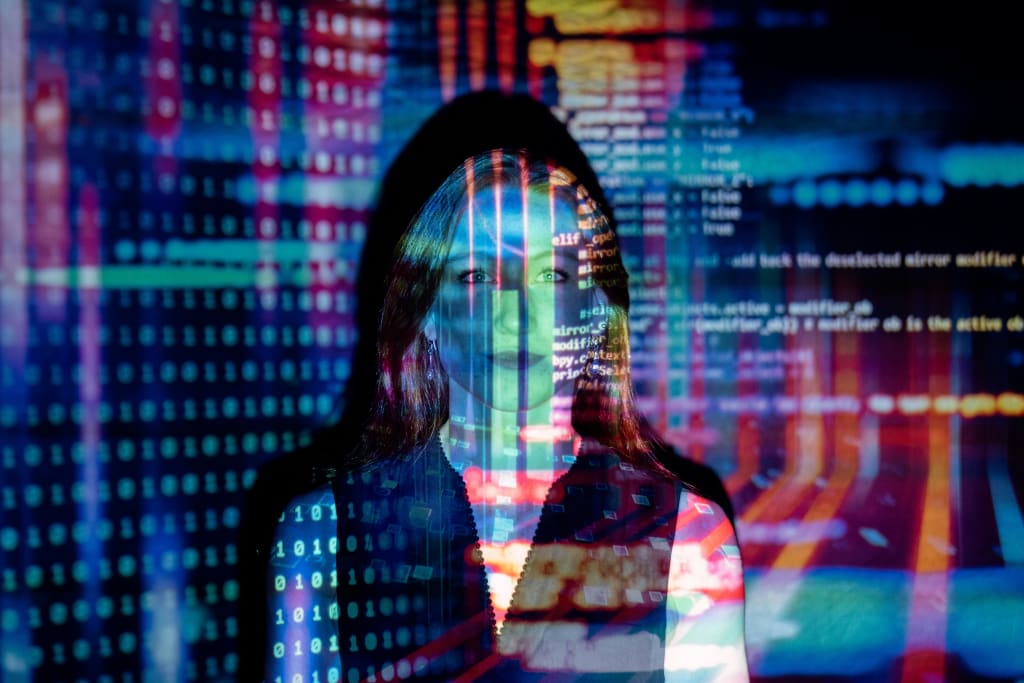
A few weeks ago, I was casually scrolling through social media when I saw a video of a world leader supposedly announcing war. The video looked real, the voice matched, and the background seemed authentic. But something felt off. I did a little digging and found out — it was fake. Completely AI-generated.
That moment shook me.
As someone who’s always been curious about technology, I’ve seen AI do amazing things. But now it’s crossing a line — blending lies so perfectly with reality that most people can’t tell the difference. If you’ve ever believed something you saw online only to find out later it was fake, you’re not alone. And this article is for you.
Welcome to the Age of Hyper-Real Fake News
Artificial Intelligence is no longer just making art or helping with automation. It’s creating videos of people saying things they never said. It’s cloning voices. It’s generating fake tweets, fake screenshots, even fake news anchors delivering totally fabricated news.
This isn’t science fiction. It’s 2025, and it’s happening every single day.
Just last month, a fake video of a global CEO admitting to a scandal caused the company’s stock to drop before it was proven false. That’s real impact. That’s power in the wrong hands.
The Tools Behind the Trickery
AI models like DeepFaceLab, ElevenLabs, Sora, and others are now accessible to almost anyone. These tools can:
Clone your voice from a 30-second audio clip
Swap faces in videos
Write fake news in seconds
Simulate live news broadcasts
Before, it took a professional to manipulate media. Now, a teenager with a laptop can do it — and that’s terrifying.
Why Are People Falling for It?
Because it looks real.
Your brain is wired to trust what you see and hear. When someone sounds exactly like a political leader, and the background shows a news studio or a protest scene, you naturally believe it.
Add to that the emotional pull — fear, anger, shock — and people start sharing without thinking.
And guess what? That’s exactly what the creators of fake content want. Virality. Chaos. Confusion
Real-Life Consequences
This isn’t just a digital problem. It’s affecting lives.
Students are getting scammed with fake scholarship videos.
Parents are panicking over AI-made fake news about disasters.
Governments are being forced to respond to lies.
Even recently, rumors of an India-Pakistan war went viral due to AI-generated war footage. But it was all fake. That’s how powerful — and dangerous — this technology has become.
How to Protect Yourself (And Others)
Let’s get practical. Here’s what I personally do before trusting any content online:
Reverse Image Search – Use Google Images or TinEye to find the original source.
Check the Date – Often, old videos resurface with new captions.
Look for Blinking or Glitches – Deepfake faces sometimes don’t blink naturally.
Use Fact-Check Sites – Alt News, Snopes, BOOM Live are great tools.
Trust Your Gut – If something feels too shocking to be true, it probably is.
My Personal Take
As someone who’s lived abroad and seen the impact of misinformation in real time, I believe awareness is our only defense. We can’t wait for governments or tech companies to save us. We have to educate ourselves and each other.
And that starts by asking simple questions before we share: "Is this real?" "Where did it come from?"
If even 10 people read this and pause before forwarding a fake video, I’ll consider this article a success.
Conclusion: The Battle Is Digital
AI is not the enemy — ignorance is. Technology can do wonders, but in the wrong hands, it becomes a weapon of mass confusion.
The war between truth and lies is being fought not just in politics or media, but inside your phone — on your feed, your inbox, and your group chats.
So next time you see a shocking video or post, do one thing: pause and verify.
Let’s stay smart, stay calm, and stay ahead of the fake.
If this article opened your eyes, share it with someone who needs to read it. Together, we can slow the spread of digital misinformation.
— DDM Atiq
About the Creator
DDM ATIQ
ll



Comments
There are no comments for this story
Be the first to respond and start the conversation.