
ABCs of Vitamins
Vitamins are essential nutrients that our bodies need to function properly. They are organic compounds that are necessary for our body's growth, development, and maintenance. Without vitamins, our bodies wouldn't be able to perform essential functions, such as converting food into energy, repairing tissues, or fighting off infections.

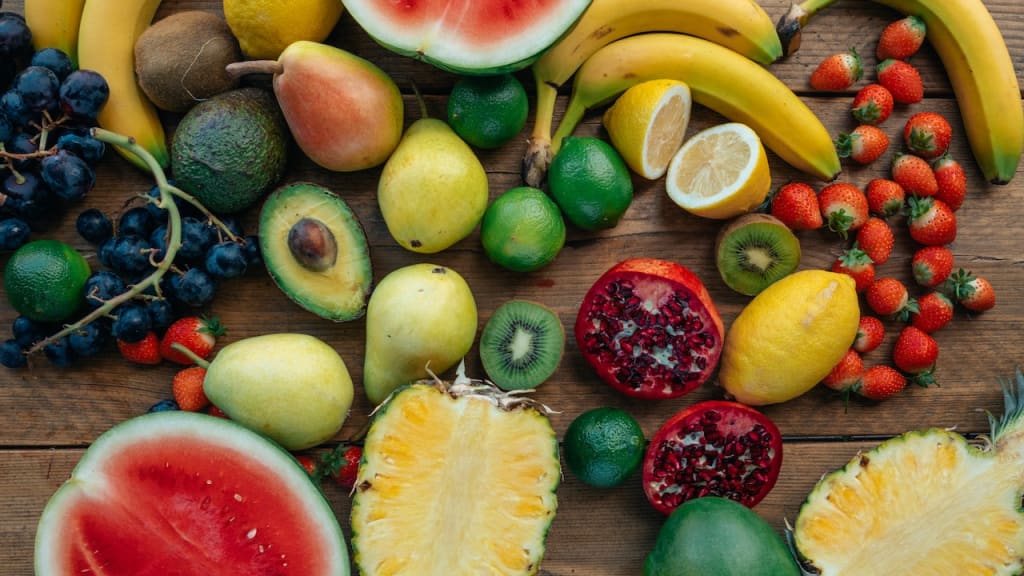
Vitamins are essential nutrients that our bodies need to function properly. They are organic compounds that are necessary for our body's growth, development, and maintenance. Without vitamins, our bodies wouldn't be able to perform essential functions, such as converting food into energy, repairing tissues, or fighting off infections.
There are 13 essential vitamins that our bodies need to stay healthy: A, C, D, E, K, and the B vitamins (thiamine, riboflavin, niacin, pantothenic acid, biotin, vitamin B6, and vitamin B12). Each of these vitamins has a unique role to play in our body's functioning. In this article, we'll explore the ABCs of vitamins and why your body needs them all.
Vitamin A: This vitamin is essential for maintaining healthy vision, skin, and immune function. It also plays a role in bone growth and reproduction. Foods that are high in vitamin A include sweet potatoes, carrots, spinach, and liver.
Vitamin B: The B vitamins are a group of water-soluble vitamins that play a crucial role in energy production, metabolism, and the functioning of the nervous system. Foods that are high in B vitamins include leafy greens, whole grains, nuts, and legumes.
Vitamin C: This vitamin is essential for collagen production, wound healing, and immune function. It is also an antioxidant that helps protect our cells from damage. Foods that are high in vitamin C include citrus fruits, bell peppers, strawberries, and kiwi.
Vitamin D: This vitamin is essential for bone health, as it helps our bodies absorb calcium. It also plays a role in immune function and reducing inflammation. Our bodies can produce vitamin D when we're exposed to sunlight, but we can also get it from fortified foods, such as milk and cereal, as well as fatty fish.
Vitamin E: This vitamin is an antioxidant that helps protect our cells from damage. It also plays a role in immune function and blood clotting. Foods that are high in vitamin E include nuts, seeds, and vegetable oils.
Vitamin K: This vitamin is essential for blood clotting and bone health. It also plays a role in regulating calcium levels in the body. Foods that are high in vitamin K include leafy greens, broccoli, and soybeans.
Each of the essential vitamins plays a unique and important role in our body's functioning. While it's important to get enough of each vitamin, it's also important to avoid getting too much, as excessive amounts can be harmful. By eating a balanced diet that includes a variety of nutrient-rich foods, we can ensure that our bodies get all the vitamins they need to stay healthy.
In addition to a balanced diet, certain groups of people may need to take vitamin supplements to ensure they're getting enough of certain vitamins. For example, pregnant women may need to take a folic acid supplement to reduce the risk of birth defects, while vegans may need to take a vitamin B12 supplement as this vitamin is mainly found in animal products.
It's also important to note that some vitamins can interact with medications or other supplements, so it's important to talk to a healthcare provider before starting any new vitamin supplement.
While getting enough vitamins is important, it's also important to remember that they work in conjunction with other nutrients and lifestyle factors. For example, vitamin D is essential for bone health, but it's also important to get enough calcium and engage in weight-bearing exercise to maintain strong bones.
Vitamins are essential nutrients that our bodies need to function properly. By eating a balanced diet that includes a variety of nutrient-rich foods and, when necessary, taking supplements, we can ensure that our bodies get all the vitamins they need to stay healthy. However, it's important to remember that vitamins work in conjunction with other nutrients and lifestyle factors, so it's important to take a holistic approach to maintaining overall health and wellness.
While it's important to get enough of all essential vitamins, deficiencies can occur if we don't consume enough of a particular vitamin. Here are some examples of vitamin deficiencies and their associated symptoms:
Vitamin A deficiency: Night blindness, dry eyes, skin issues, increased susceptibility to infections.
Vitamin B12 deficiency: Fatigue, weakness, tingling and numbness in hands and feet, mood changes, memory problems.
Vitamin C deficiency: Fatigue, weakness, bleeding gums, easy bruising, slow wound healing.
Vitamin D deficiency: Weak bones, muscle weakness, increased risk of falls and fractures, increased susceptibility to infections.
Vitamin E deficiency: Muscle weakness, vision problems, skin issues.
Vitamin K deficiency: Increased risk of bleeding, easy bruising, weakened bones.
It's important to note that vitamin deficiencies are more common in certain populations, such as people with restrictive diets (e.g. vegans), people with malabsorption disorders (e.g. celiac disease), and the elderly. Pregnant women and young children are also at increased risk of certain vitamin deficiencies.
If you suspect that you may have a vitamin deficiency, it's important to talk to a healthcare provider. They can perform a blood test to check your vitamin levels and recommend supplements or dietary changes if necessary. In most cases, a balanced diet that includes a variety of nutrient-rich foods is the best way to prevent vitamin deficiencies.
In addition to deficiencies, some people may not get enough of certain vitamins, which is known as insufficiency. While insufficiency is not as severe as a deficiency, it can still have negative effects on our health over time. Here are some examples of vitamin insufficiency and their associated symptoms:
Vitamin B6 insufficiency: Mood changes, skin inflammation, weakened immune system.
Vitamin D insufficiency: Increased risk of osteoporosis, muscle weakness, fatigue, impaired immune function.
Vitamin E insufficiency: Increased risk of chronic diseases such as heart disease, cancer, and Alzheimer's disease.
Vitamin K insufficiency: Increased risk of osteoporosis, bone fractures, and cardiovascular disease.
Vitamin B12 insufficiency: Increased risk of depression, cognitive decline, and neurological disorders.
Insufficiency can occur due to a variety of factors, such as inadequate dietary intake, poor absorption due to certain medical conditions, or lifestyle factors such as lack of sunlight exposure. Insufficiency can be prevented by consuming a balanced diet that includes a variety of nutrient-rich foods, or taking supplements if necessary. It's important to talk to a healthcare provider before starting any new supplement regimen to ensure that you're getting the right amount of vitamins and nutrients for your individual needs.
While vitamin supplements can be useful in certain situations, it's important to remember that the best way to get all the vitamins you need is by consuming a balanced diet that includes a variety of nutrient-rich foods. Here are some examples of foods that are rich in vitamins:
Vitamin A: Sweet potatoes, carrots, spinach, kale, mangoes, apricots, liver.
Vitamin B6: Chickpeas, beef liver, tuna, salmon, potatoes, bananas, spinach.
Vitamin B12: Beef liver, clams, trout, salmon, tuna, fortified cereals, fortified plant-based milk.
Vitamin C: Oranges, strawberries, kiwis, bell peppers, broccoli, Brussels sprouts, tomatoes.
Vitamin D: Fatty fish (e.g. salmon, tuna, mackerel), egg yolks, fortified plant-based milk, fortified cereals, mushrooms.
Vitamin E: Sunflower seeds, almonds, spinach, avocados, sweet potatoes, wheat germ oil.
Vitamin K: Spinach, kale, Swiss chard, collard greens, broccoli, Brussels sprouts.
In addition to these foods, it's important to consume a balanced diet that includes a variety of fruits, vegetables, whole grains, lean protein sources, and healthy fats. By doing so, you can ensure that you're getting all the vitamins and nutrients your body needs to function properly.
In conclusion, vitamins play a vital role in maintaining overall health and wellness. While our bodies need all essential vitamins, deficiencies and insufficiencies can occur if we don't consume enough of certain vitamins. To prevent these deficiencies and insufficiencies, it's important to consume a balanced diet that includes a variety of nutrient-rich foods. In certain situations, vitamin supplements may be necessary, but it's important to talk to a healthcare provider before starting any new supplement regimen. By taking a holistic approach to maintaining overall health and wellness, we can ensure that our bodies get all the vitamins and nutrients they need to function properly and keep us healthy for years to come.
About the Creator
Santhosh Ramesh
An eccedentesiast human who was loving to create contents and journaling.
Consider subscribe me for more contents.
Keep reading
More stories from Santhosh Ramesh and writers in FYI and other communities.
7 Chakras
7 Chakras Explained. IntroductionI ntroduction Have you ever felt off-balance, anxious or overwhelmed? It could be due to an imbalance in your energy centers, also known as chakras. Chakras are believed to be spinning wheels of energy that run along the spine and govern different aspects of our physical, emotional, and spiritual well-being. In this blog, we will explore the 7 chakras and how to balance them for optimal health and harmony
By Santhosh Ramesh 3 years ago in FYI
Outside Lands 2026: Music, Memory, and Magic
There is something different about a festival held in a park surrounded by fog. The air feels softer. The sound carries in a strange, beautiful way. Strangers stand shoulder to shoulder, waiting for a song that might stay with them for years. Outside Lands 2026 is already stirring that quiet excitement. Even before the lineup is announced, people are talking about outfits, travel plans, and who they want to see on stage. It is not just another music festival. It is a yearly ritual for thousands who return to Golden Gate Park for three days of sound, food, and shared emotion. Outside Lands 2026 promises more than performances. It promises moments.
By Muqadas khan2 days ago in FYI



Comments
There are no comments for this story
Be the first to respond and start the conversation.