
A Brief Guide to Spray Foam Insulation
Here’s everything you need to know about spray foam insulation.
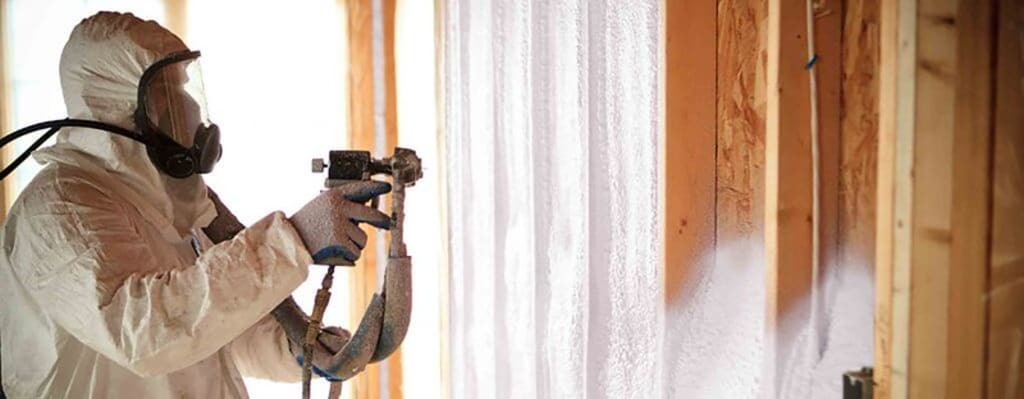
Spray foam insulation or as it’s also called, spray polyurethane foam (SPF), is used by many homeowners and commercial property owners across the UK. It’s a great insulation option.
But what is it, how is it installed, and are there any advantages?
Read this quick guide to find out.
What is SPF?
SPF involves applying a liquid polyurethane blend that expands into a thick and solid layer upon contact with surfaces. This expansion seals off any gaps and forms a barrier that stops air leaks and helps with insulation.
If it’s sprayed onto walls, ceilings, or floors, it can expand up to 100 times its initial volume.
It has two main types.
Two Main Types
1. Closed-Cell Spray Foam
Closed-cell spray foam is denser out of the two. It provides strong thermal insulation and additional structural support. It has tightly packed cells and is suitable for reducing heat transfer.
It also has moisture-resistant properties that protect against water damage.
Benefits of closed-cell spray foam:
● high insulating value
● extra strength for structural integrity
● excellent barrier against heat transfer
● moisture resistance, preventing mold growth
2. Open-Cell Spray Foam
This type is lighter and more flexible. It’s lower in density than closed-cell foam but has solid advantages in soundproofing and breathability.
Residential settings favor this type due to its cost-effectiveness and adaptability to structural shifts over time. There’s scope for moisture to pass through, so it’s more suitable for areas in need of ventilation.
Benefits of open-cell spray foam:
● soundproofing capabilities
● breathable structure
● flexibility to adapt to minor structural movement
● lower cost, making it suitable for residential projects
How SPF is Installed
The installation is a detailed and multi-step process. We provide an overview:
Preparation Stage
Installers prepare the space by cleaning surfaces and removing any existing insulation. At this point, they check for moisture, as damp areas can affect the foam’s adhesion and performance.
Steps Taken:
● clear out existing insulation
● clean surfaces thoroughly
● make sure surfaces are dry and ready for application
Application Stage
Next, professionals measure the area and mix the polyurethane foam materials. With the help of specialized spray equipment, they apply the foam in even layers. It expands and settles to form a solid layer of insulation.
Steps Taken:
● measure and assess the area for foam application
● mix materials for the spray foam
● spray foam onto surfaces, allowing time for expansion and setting
The Main Advantages
Spray foam brings numerous advantages, the most celebrated being energy efficiency and indoor comfort.
The biggest reason why people choose SPF is its ability to cut energy costs. The airtight barrier it creates minimizes heat loss and stabilizes indoor temperatures. This can reduce energy bills by as much as 50%. Consistent temperature control helps hold a comfortable living environment.
There are other additional advantages; SPF:
● fills tight spaces and irregular shapes where other insulation types may not reach
● helps with noise reduction, creating a quieter indoor environment
● reduces condensation and potential mold issues
● controls drafts for comfort
Modern SPF is also recognized for a reduced carbon footprint by lowering energy consumption.
Its efficient sealing reduces the need for constant heating and cooling, leading to fewer emissions over time. There’s minimal waste generated during the installation process which adds to its sustainability.
Safety Measures and Precautions
Spray foam should always be applied by certified professionals. Proper installation will need:
- specialized equipment
- technical knowledge
- adherence to UK building regulations
Certified installers make sure that safety standards are maintained during the process:
● They use protective gear such as respirators, safety goggles, and specialized clothing to defend against exposure to chemicals.
● They also make use of high-grade and approved spray equipment to control the foam application safely and make sure there’s ventilation during installation.
Cost Factors and Investment Value
The cost of SPF and installation varies and depends on three main factors:
- property’s size
- foam type and quality
- installation complexities
- installer and their services and experience
Spray foam may have higher upfront costs than traditional insulation, but since the energy savings and property value increase generally with the former, it’s a more cost-effective investment in the long run.
Durability and Maintenance
SPF needs minimal maintenance once installed. It remains durable and effective over the years, resisting common issues like sagging or settling that can affect other insulation materials.
Homeowners don’t have to worry about replacement or extensive upkeep, as spray foam retains its performance in the long term.
Versatile Applications
SPF can be applied in different areas of a property, like lofts, walls, floors, and roofs.
Its adaptability also makes it convenient for both residential and commercial buildings. Some of the most common applications are:
● lofts and attic spaces
● wall cavities
● floors and ceilings
● roof insulation
● commercial properties
Pre-Installation Assessment
Before the installation process, a professional survey assesses the property to be confident of the best outcome.
Installers will check factors like the U-value (a measure of thermal efficiency), condensation risks, structural stability, ventilation needs, etc. These checks help in the most effective insulation and keep likely issues at bay.
Clearing Up Common Myths
Some misconceptions still surround spray foam. It’s worth clarifying these for accurate information.
Myth 1: “It’s too expensive.”
While initial costs can be high, spray foam saves you money over time through energy efficiency.
Myth 2: “It’s harmful to the environment.”
Modern spray foam formulations concentrate on sustainability and reduce energy needs.
Myth 3: “It causes moisture issues.”
Properly installed spray foam acts like a moisture barrier and protects against water damage.
Myth 4: “It’s unsafe indoors.”
After it’s cured, spray foam is chemically stable and safe for indoor air quality.
Myth 5: “It can be a DIY project.”
Because of technical and safety aspects, professional installation is highly recommended.
Selecting the Right Installer
Going for the right installer is the first step in getting the most out of SPF.
Look for the following factors of a potential installer to get peace of mind and be assured that you’re getting the best service:
● certification and licensing
● industry experience and knowledge
● insurance coverage and guarantees
● customer reviews and testimonials
Wondering Where To Start?
Get in touch with Isothane. We develop and manufacture polyurethane systems for thermal insulation, waterproofing, and rigid foam products. We hold certifications such as ISO 9001 for quality management and ISO 18001 for occupational health and safety.
Give SPF a try. It’s a modern and effective insulation solution that benefits both residential and commercial properties across the UK.
About the Creator
Keep reading
More stories from Gili Sethi and writers in FYI and other communities.
Carbon Steel Casting
Carbon steel casting is a metal casting process used to produce parts and components from carbon steel alloys. This process involves melting the steel alloy and pouring it into a mold, where it solidifies and takes the shape of the mold cavity. Carbon steel casting is a versatile process that can be used to produce a wide range of products, from complex engine components to simple tools and machinery parts.
By Gili Sethiabout a year ago in FYI
Key Hardware Components That Keep Aircraft Structures Secure
Modern aircraft are built with exceptional precision, combining advanced engineering with thousands of interconnected components. While engines, avionics systems, and aerodynamic structures often receive the most attention, the smaller structural hardware used throughout an aircraft plays an equally critical role. These components provide the connections and reinforcement necessary to keep the aircraft stable, secure, and capable of withstanding the demanding conditions of flight.
By Beckett Dowhana day ago in FYI


Comments
There are no comments for this story
Be the first to respond and start the conversation.