
7 tested ways to find a dive buddy
How to find a good dive buddy for your next diving adventure
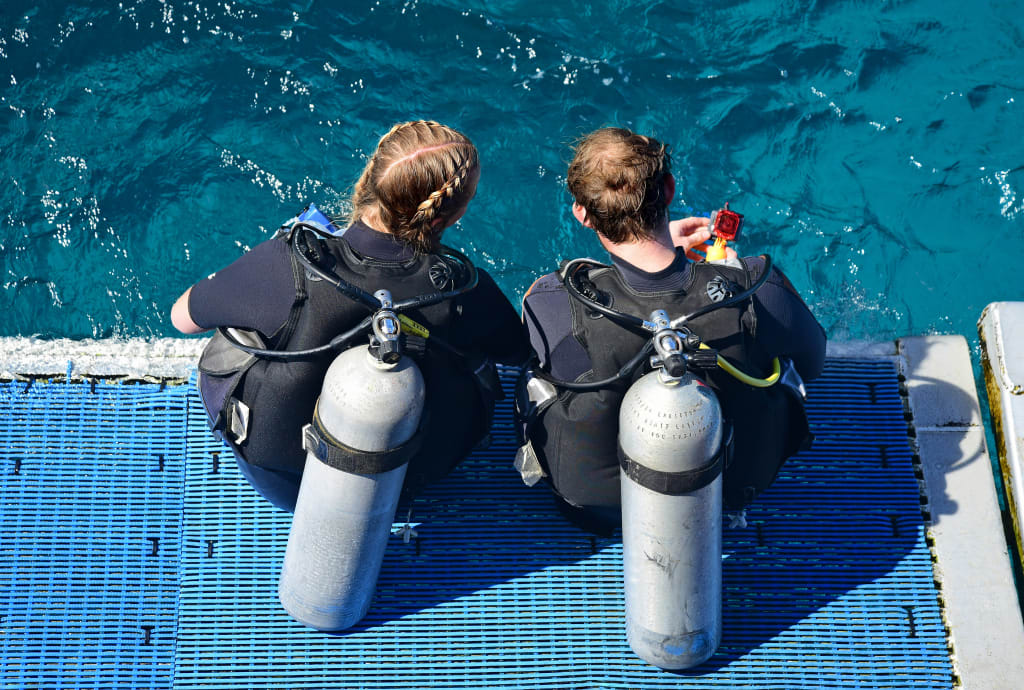
Finding the right dive buddy can make the difference between an ordinary underwater experience and an extraordinary adventure. Whether you are planning your first certified dive or you are a seasoned diver exploring new waters like the vibrant reefs during south coast diving in Sri Lanka, having a compatible partner beside you is not just about safety—it is about sharing those magical moments when a turtle glides past or when you discover a hidden canyon teeming with life.
The truth is, diving without a buddy is not just against best practices; it is missing half the joy. But finding someone who matches your skill level, shares your interests, and is available when you are can feel surprisingly challenging. Over the years, I have discovered several reliable methods that actually work, and I am sharing them here so you can spend less time searching and more time exploring underwater worlds.
Start With Your Local Dive Shop
Your neighbourhood dive shop is more than just a place to fill tanks and rent gear. It is a community hub where divers naturally congregate, swap stories, and plan trips. The staff there know the local diving scene better than anyone else, and they are usually more than happy to play matchmaker between solo divers.
When you walk in, do not just browse the equipment. Strike up conversations with the people behind the counter and the customers milling around. Ask if they know anyone looking for a buddy, or if there is a bulletin board where you can post your information. Many shops keep informal lists of divers seeking partners, organised by skill level and availability.
The beauty of this approach is that you are likely to find someone who dives the same local sites you do, which means regular dive opportunities without elaborate travel plans. Plus, the shop staff can give you honest insights about potential buddies—whether someone is reliable, safety-conscious, or tends to go deeper than planned.
Join Online Diving Communities and Forums
The internet has revolutionised how divers connect, but not all online platforms are created equal. Dedicated diving forums and Facebook groups focused on specific regions or types of diving tend to yield the best results. Look for groups tied to your area or to destinations you are planning to visit.
When you join these communities, resist the urge to immediately post "Looking for buddy!" and disappear. Spend time engaging with others, commenting on their posts, sharing your own experiences, and establishing yourself as a genuine member of the community. When you do eventually post looking for a buddy, people will recognise your name and be more likely to respond.
If you are planning a trip somewhere specific—say you are researching PADI diving centres in Unawatuna for an upcoming vacation—these online communities become invaluable. You can connect with locals or with other travellers planning to be there at the same time. Some of my best diving friendships started through a Facebook group post months before we ever met in person.
Take Additional Courses and Specialty Certifications
Here is something many divers overlook: training courses are fantastic places to meet potential dive buddies. When you sign up for advanced certifications, specialty courses, or skills workshops, you are surrounded by people who share your passion and commitment to improving their diving.
The advantage here goes beyond just meeting people. You are spending several days together, both in the classroom and underwater. You get to observe how they handle themselves in the water, how they respond to challenges, and whether their diving style meshes with yours. By the end of a course, you have a pretty good sense of whether this is someone you'd want to dive with regularly.
Technical diving courses, underwater photography workshops, and conservation-focused programs tend to attract particularly dedicated divers who are serious about the sport. Even if you do not find a permanent buddy, you will expand your network significantly, which brings me to the next point.
Attend Dive Club Meetings and Social Events
Dive clubs exist in most cities with a significant diving population, and they are goldmines for finding buddies. These clubs organise regular meetings, pool sessions, local dives, and social gatherings. Some are affiliated with specific shops, while others operate independently.
The regular meeting schedule means you will see the same faces repeatedly, allowing friendships to develop naturally. You are not putting pressure on yourself or others with the immediate expectation of becoming dive buddies. Instead, you are building relationships within the diving community, and buddy partnerships emerge organically from there.
Many clubs also organise group trips to popular diving destinations. Even if you do not have a dedicated buddy yet, you can join these trips and dive with different people each day. It is a low-pressure way to test compatibility with several potential buddies during a single trip.
Volunteer for Marine Conservation Projects
Reef cleanups, coral restoration projects, and marine surveys need volunteers—and those volunteers need to be divers. These programs attract people who care deeply about the underwater environment, which often correlates with being thoughtful, responsible dive buddies.
Working alongside someone on a conservation project reveals a lot about their character. You will see their dedication, their attention to detail, and how they interact with both the marine environment and their fellow volunteers. These shared experiences create strong bonds. I have noticed that dive buddies who meet through conservation work tend to have partnerships that last for years.
Additionally, these projects give you purpose beyond just recreational diving. Your dives become meaningful contributions to ocean health, and you are surrounded by like-minded individuals who understand that divers have a responsibility to protect what we love.
Use Buddy-Matching Features at Dive Centres
When you arrive at a dive destination without a buddy, do not assume you will be sitting out. Professional dive centres have dealt with this situation countless times, and most have systems in place to pair solo divers. For example, when checking Unawatuna diving prices or booking PADI diving in Unawatuna, ask specifically about their buddy-matching services.
Reputable dive centres will consider your certification level, experience, and diving preferences when making matches. They will not pair a brand-new Open Water diver with someone pursuing technical wreck penetrations. The dive masters and instructors usually have a good sense of which guests will get along, both personally and in terms of diving style.
Do not be shy about asking the staff for recommendations. If they suggest pairing you with someone, ask questions: What's their experience level? What kind of diving do they enjoy? Are they photographers who move slowly, or do they prefer covering distance? The more information you gather upfront, the better your chances of a successful partnership.
Build Your Buddy Network Over Time
Here is the reality that experienced divers understand: you do not need just one buddy. You need a network of compatible diving partners. Your best buddy for shore diving in cold water might be different from your ideal companion for drift diving in tropical currents.
Think of buddy-finding as an ongoing process rather than a one-time task. Every diver you meet and have a positive experience with becomes part of your network. Maybe you cannot dive together regularly because of schedule conflicts or distance, but you can connect for that special trip or destination dive.
Keep in touch with divers you have met through courses, clubs, or trips. A simple message checking in, sharing an interesting article about diving, or reminiscing about a past dive keeps the connection alive. When you are planning your next adventure, you will have a roster of people to reach out to, and they will think of you when they are organising their trips.
The investment you make in building these relationships pays dividends for years. I have buddies I only dive with once a year on specific trips, others I dive with monthly in local waters, and a few I would call for any dive, anywhere, anytime. This diversity makes my diving life richer and ensures I always have someone to call.
Moving Forward
Finding a dive buddy requires some effort, but it is effort well spent. The underwater world is meant to be shared, and the right buddy enhances every aspect of the experience. They spot the camouflaged octopus you swim right past. They are there when your regulator acts up at depth. They understand why you are grinning uncontrollably behind your mask when a school of barracuda circles overhead.
Start with one or two of these approaches and give them genuine effort. Be patient, be open to diving with different people, and be the kind of buddy others want to dive with—reliable, safety-conscious, and enthusiastic. The connections you make will transform your diving from a solo pursuit into a shared adventure, and that makes all the difference.
About the Creator
Keep reading
More stories from Anna Paquin and writers in FYI and other communities.
Designing a Kitchen Around Your Appliances: Space and Style Tips
When it comes to kitchen design, the conversation often begins with countertops, cabinetry, or flooring. But in reality, one of the smartest ways to create a truly functional and stylish kitchen is to design it around your appliances. After all, appliances are the lifeblood of a kitchen—the silent workhorses that power daily meals, late-night snacks, and even those long Sunday baking sessions. Just as you might carefully plan the placement of a solar panel on your roof to get the best energy efficiency, planning your kitchen with your appliances as the foundation ensures both practicality and beauty.
By Anna Paquin3 months ago in FYI
A Failed Artist, A Disillusioned Poet, An Underpaid Game Show Host
I took my son and niece to Gori, a small town in Georgia where Joseph Stalin was born. They talked me into visiting the Stalin's Museum, the largest in the post-Soviet space. I had resisted going there because I just can't stand the monster and know enough about him, or so I thought.
By Lana V Lynx9 days ago in FYI
Singapore Logistics Market: Trade Connectivity, Automation, and Regional Hub Strength
According to IMARC Group’s latest research publication, the Singapore logistics market size reached USD 26.4 Billion in 2024. Looking ahead, the market is expected to reach USD 42.2 Billion by 2033, growing at a compound annual growth rate (CAGR) of 4.37% during 2025–2033.
By Sam walter3 days ago in FYI




Comments
There are no comments for this story
Be the first to respond and start the conversation.