
7 Healthcare Advancements You Might Not Know About
Healthcare is always changing.
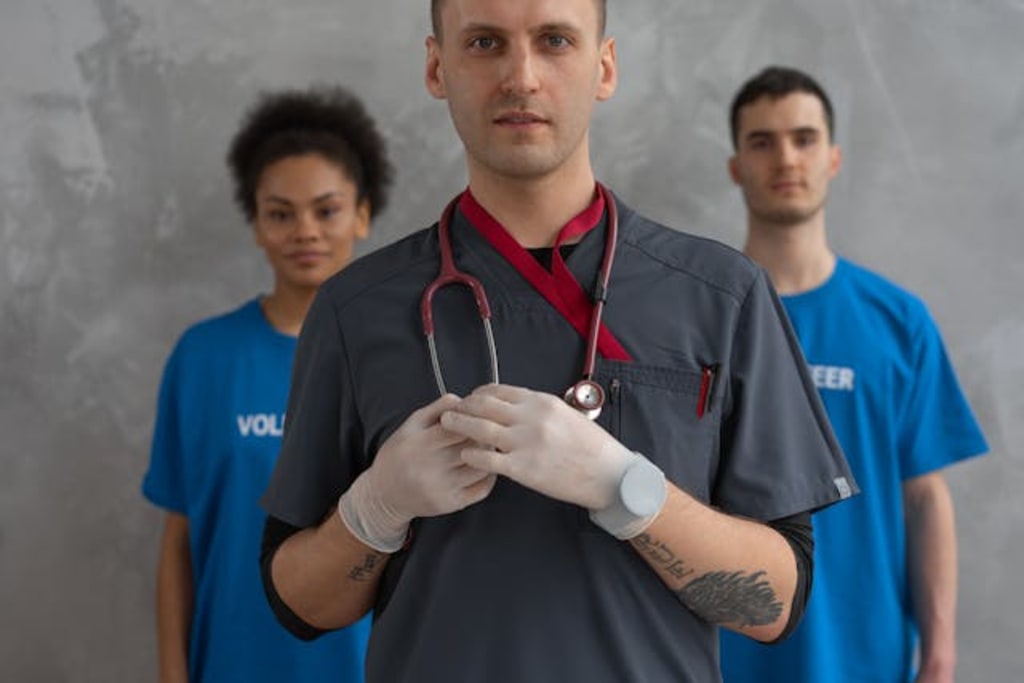
Photo from Pexels
With discoveries nearly like science fiction becoming commonplace in our daily lives, healthcare is changing at an incredible speed. These developments are redefining our approach to health from innovative medicines that once appeared unachievable to artificial intelligence replacing diagnostic chores. Despite all the buzz about the major players in the field—including artificial intelligence, gene editing, and robotic surgeries—there is a lot of fascinating progress silently changing the medical scene.
1. Artificial Intelligence in Radiology
Although artificial intelligence is already somewhat of a buzzword in the medical field, its use in radiology is where it is having some of the most significant effects. Radiologists would spend hours searching X-rays, MRIs, and CT scans in the past in order to find minute illness symptoms. With amazing precision, artificial intelligence-powered gadgets may now assist in the early detection of problems, including cancers, fractures, and even heart disease. Deep learning algorithms used in these systems analyze hundreds of medical photos constantly improving them.
2. Bioelectronic Medicine
Bioelectronic medicine might be the solution you have been waiting for if you are sick of depending on drugs to control chronic illnesses. Offering a substitute for conventional medications, this creative sector is concentrated on employing electrical impulses to control the neurological system and treat disorders. Doctors can deliver electrical impulses to certain neurons by implanting small devices in the body, therefore controlling biological processes. Patients with rheumatoid arthritis, diabetes, or inflammatory bowel disease, for instance, already benefit from these therapies, which can reduce symptoms without using drugs.
3. The Rise of Personalized Cancer Vaccines
Over the past three decades, cancer treatment has made amazing progress; nonetheless, experts have long been looking for a method to provide a really customized approach. Now, let me introduce customized cancer vaccinations. These vaccinations instruct the immune system to identify and attack cancer cells particular to a person's tumor. Personalized vaccinations are created depending on the genetic profile of the patient's tumor unlike conventional vaccines that target broad markers shared by all cancer cells. This makes every vaccination especially suited to the individual getting it, therefore boosting its effectiveness.
4. Microbiome-based Treatments
Although your gut is home to billions of bacteria, you may have heard that these microorganisms are really important for your general well-being. From digestion to mental health, the highly complicated ecology of bacteria, viruses, and fungi that is the human microbiome may affect everything. Actually, disturbances to the microbiota have been connected to several problems, including obesity, autoimmune diseases, and even mental health illnesses like depression. In a different field, researchers are also investigating the use of hemostat powder in medical treatments to control bleeding, demonstrating how scientific advancements are addressing various health challenges.
5. 3D Printing
Imagine a future in which, down to the finest detail, your prosthetic limb not only fits your body shape but also is tailored to it. 3D Printing in healthcare will evolve in that direction. 3D Printing is revolutionizing personalization in medicine by allowing one to create unique prostheses and even organs. 3D Printing provides a possibility for more comfortable, reasonably priced, and personalized solutions for people who need prosthetic limbs, therefore changing their lives in the process. Still, it's not the end. Additionally in development are tissue and possibly full organ printing technologies by researchers. Although completely functional hearts or livers are still far off, the capacity to build artificial tissues is now a reality and is just becoming better.
6. CRISPR-Cas9
The revolutionary gene-editing method known as CRISpen-Cas9 has opened fresh avenues for genetic study and therapy that most people have heard about. However, the actual possibilities of this instrument go well beyond its initial application in the correction of genetic defects. From developing more resistant crops to addressing formerly considered untreatable genetic diseases like sickle cell anemia and cystic fibrosis, researchers are investigating CRISPR for everything. More interesting is the possibility of using CRISPR to combat viral illnesses such as HIV and even certain malignancies in too distant future.
7. Wearable Health Technology
When you first consider wearable technology, you might imagine smartwatches or fitness trackers. Still, the actual value of wearables is beyond counting steps or heart rate monitoring. Wearables of today are meant to measure everything from blood glucose levels to blood oxygen saturation and even stress levels. These gadgets enable users to identify probable health concerns before they become significant, therefore enabling early detection of problems and timely intervention. Wearables are becoming essential tools for managing health for those with chronic illnesses such as diabetes or hypertension.
Conclusion
Driven by developments redefining our approach to treating and preventing illnesses, the healthcare industry is undergoing an interesting change. Even though many of these developments are still in their early years, their potential is enormous. The future of medicine appears brighter than ever as these technologies develop.
About the Creator
Keep reading
More stories from Sierra Powell and writers in FYI and other communities.
Should You Replace Your Roof? Here's How to Know
Photo from Pexels Your roof is the first line of defense against the elements, protecting everything below it. Wear and tear creeps in over time, endangering its capacity to keep your house secure. Ignoring these signals could cause costly damage, energy loss, and possibly dangerous situations, compromising your quality of life. With so much riding on the condition of your roof, determining whether it's time for a replacement is critical. Being proactive guarantees the lifetime of the construction of your house and helps you avoid expensive repairs.
By Sierra Powellabout a year ago in Lifehack
The Strange Reddit Post That No One Can Explain — And Why People Still Talk About It
The Strange Reddit Post That No One Can Explain — And Why People Still Talk About It The internet forgets almost everything. Posts disappear. Accounts vanish. Viral trends explode one day and are completely gone the next. What feels massive today often becomes impossible to find just a few weeks later. But every now and then, something strange slips through the cracks of the internet — something that refuses to disappear.
By Stephanie Edwardsabout 14 hours ago in FYI



Comments
There are no comments for this story
Be the first to respond and start the conversation.