
5 Things People Used to Eat for Breakfast
That Might Surprise You

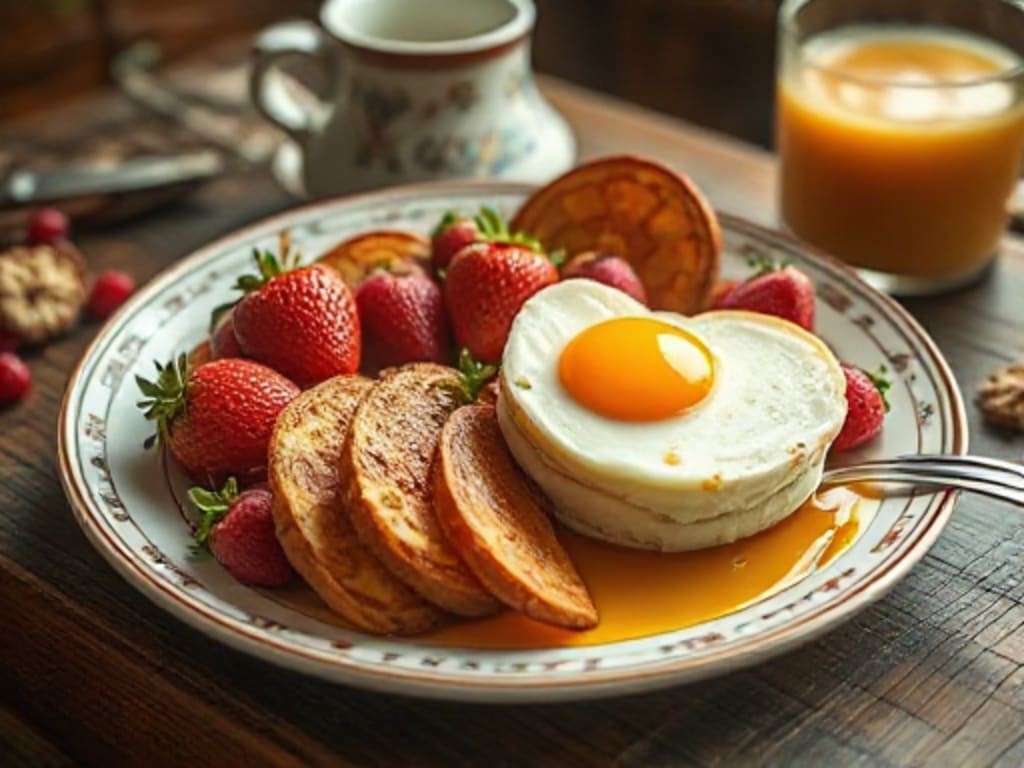
Breakfast today is a neatly branded ritual—protein bars, oat milk lattes, avocado toast with chili flakes and a #blessed filter. But it wasn’t always Instagrammable. Breakfast used to be raw, rustic, and sometimes downright weird. The meals that kicked off the day were shaped by survival, superstition, class, culture, and whatever scraps were leftover from the night before.
Let’s rewind the clock and peek at five breakfast foods from the past that might make you grateful for your modern smoothie bowl.
1. Ale and Bread (Medieval Europe) 🍞🍺
Forget orange juice—your 12th-century peasant ancestors were sipping ale before noon like it was totally normal. And it was. Water was often unsafe to drink, so small beer (a weaker, low-alcohol brew) became the hydrating go-to. It was paired with coarse bread—sometimes dipped, sometimes dry, sometimes stale enough to break a tooth.
There were no cereals, no vitamins, and definitely no oat milk. Just fermented grain and yesterday’s crusty loaf. Breakfast was about getting enough energy to survive plowing fields or, if you were lucky, not dying from dysentery.
Wild thought: People literally started their day buzzed because it was healthier than the water. Cheers to that.
2. Cold Meat and Pickles (Colonial America) 🥩🥒
In the colonial era, refrigeration was a fantasy. So if you were eating meat for breakfast, it was either smoked, salted, or leftover from dinner. Cold roast pork, beef, or salt fish was often sliced and served up with tangy pickled vegetables to cut the heaviness.
This wasn’t some trendy charcuterie board. It was just practicality—use what you have, waste nothing, and hope to stay full until supper. Eggs weren’t a daily staple yet. And fruit? That was for jam or pie. Not breakfast.
Fun fact: George Washington was known to enjoy hoecakes swimming in butter and honey for breakfast. Not meat, but close enough to a pancake coma.
3. Gruel (Victorian Era, Working Class) 🥄😬
Sounds poetic. Tastes... not so much. Gruel was the hot sludge that fed the factory workers and poor children of Victorian England. It’s basically watery oatmeal with the joy boiled out of it. If you were lucky, maybe a splash of milk or a sprinkle of sugar got added. Maybe.
This wasn’t about enjoyment. Gruel was cheap, easy to make in big batches, and filled bellies just enough to send kids off to coal mines or workhouses. Dickens didn’t exaggerate—this was the literal fuel of the Industrial Revolution.
Reality check: Gruel is what you got when society decided your survival didn’t need seasoning.
4. Rice and Fish (Feudal Japan) 🍚🐟
While Westerners were gnawing on salt pork or drinking beer for breakfast, people in Japan had a far more balanced (and honestly tastier) morning meal. In the Edo period, breakfast was typically a bowl of steamed rice, grilled fish, pickled vegetables, and miso soup. Sometimes a raw egg or tofu made an appearance.
This meal was light, nutritious, and rooted in the concept of seasonal simplicity—something today’s health gurus might call “gut-friendly” and “anti-inflammatory.” They didn’t have protein shakes. They had miso broth and seaweed.
Flash forward: Japan still holds onto many of these breakfast traditions today. It’s clean, minimal, and shockingly modern for something centuries old.
5. Eel Pie and Porridge (Tudor England) 🐍🥧
Ah yes, Tudor England, where breakfast got weird. Eel was considered a common and nutritious food—river eels were abundant, cheap, and protein-rich. You might see them chopped into pies or served in stews. Breakfast for nobles could include eel pie, porridge sweetened with honey, or even a bit of cheese and ale.
If you were lower on the social food chain, you'd have plain pottage (a thick grain stew) or maybe yesterday’s leftovers thrown into a pot.
You read that right: Eel pie. Before Pop-Tarts, people were biting into aquatic snakes with a flaky crust before the sun was fully up.
🍳 So Why Did It Change?
The shift in breakfast customs over centuries came down to a few big things:
Industrialization: Set schedules and early shifts meant people needed quick, portable meals.
Refrigeration and electricity: Allowed perishable goods like milk, eggs, and fruit to be stored at home.
Marketing: In the 20th century, companies like Kellogg’s and Post told us what breakfast should be—cue cereal domination.
Health trends: Breakfast went from “meat and ale” to “fiber and protein macros” thanks to evolving science and dieting obsessions.
Breakfast, once based on region and resource, became a packaged product. But here’s the twist—those old-school breakfasts? They’re coming back in new forms. Bone broth, fermented veggies, fish for breakfast? Sounds like a 2025 health influencer’s dream.
Final Bite of Thought 🍽️
Breakfast isn’t just the first meal of the day—it’s a mirror of the era. Whether it’s gruel or granola, eel pie or egg whites, what we eat each morning says something about our culture, our class, and our values. Maybe tomorrow, throw some miso soup in your mug or toast some rye with pickled onions just for the heck of it. Get weird with it. History already did.
About the Creator
Karl Jackson
My name is Karl Jackson and I am a marketing professional. In my free time, I enjoy spending time doing something creative and fulfilling. I particularly enjoy painting and find it to be a great way to de-stress and express myself.
Keep reading
More stories from Karl Jackson and writers in FYI and other communities.
The Most Popular Baby Names
Here’s a visual vibe check for your curious soul. That heat‑map-ish image is baby names by decade in the US—a lush, colorful tapestry showing the names that dominated across eras. It’s like a time‑travel scroll through naming obsession. Now let’s jam into the real story behind the decades, and get weirdly nostalgic with a twist.
By Karl Jackson7 months ago in FYI



Comments
There are no comments for this story
Be the first to respond and start the conversation.