
5 Household Items You Should Replace Even If They Seem Fine
Hidden Dangers Lurking in Your Home: Why It's Time to Let Go of These 5 Items


Household appliances play a vital role in improving our quality of life. However, over time, these items can deteriorate, potentially posing safety risks and even harming your health. While some appliances might seem to work just fine after years of use, they may have surpassed their optimal lifespan and could compromise efficiency, safety, or both.
Below are five types of household appliances you should replace, even if they haven’t completely broken down:
1. TVs, Refrigerators, Air Conditioners, and Range Hoods – Aging Electronics Are Risky
Televisions, refrigerators, air conditioners, and range hoods are common household appliances, often lasting up to a decade or more without significant issues. Many families continue using these items well past their prime, unaware that all devices come with a safe lifespan.
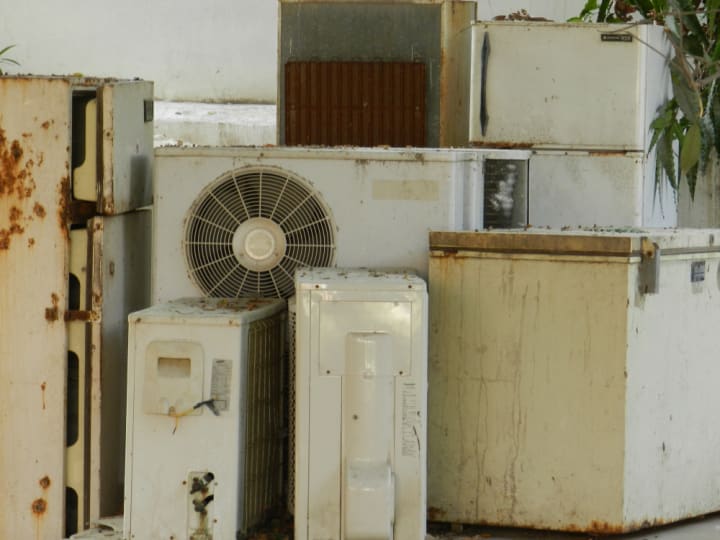
As electronic components age, they can degrade, increasing the risk of electrical short circuits, overheating, or even fires. For instance, refrigerators typically last between 10–15 years. Beyond this period, issues such as excessive noise, water leaks, unpleasant odors, increased electricity consumption, refrigerant leaks, and even food contamination become more likely.
Tip: Monitor the performance of your appliances regularly. Older devices not only lose efficiency but also consume more power, making replacements safer and more energy-efficient.
2. Appliances That Overheat During Use
Built-in designs for appliances like ovens, water heaters, and microwaves are becoming more popular for their aesthetic appeal. However, this trend often restricts ventilation, leading to overheating. Overheated appliances can soften or damage wires, posing a significant fire hazard.

Large appliances with high power consumption are particularly prone to overheating. If your device becomes too hot during operation, stop using it immediately and consult an electrician. If repairs aren’t feasible, replacing the appliance is the safest option.
Tip: Always place appliances in well-ventilated areas and avoid using them in enclosed spaces for extended periods.
3. Devices with Poor Water Resistance
Appliances like electric water heaters, bathroom heaters, and foot spas often come into contact with water. Over time, water can seep into the internal components, increasing the risk of short circuits or electric shocks.
When purchasing such appliances, check their water resistance rating. A higher rating ensures better safety. Additionally, carefully read the user manual and follow the guidelines to minimize the chances of accidents.
Tip: If you notice any signs of water damage or if the appliance begins malfunctioning, it’s time for a replacement.
4. Appliances Without Automatic Shutoff Functions
Modern household appliances are increasingly equipped with automatic shutoff features to enhance safety. However, some older devices lack this function or may have a malfunctioning shutoff mechanism. This poses a significant safety risk.
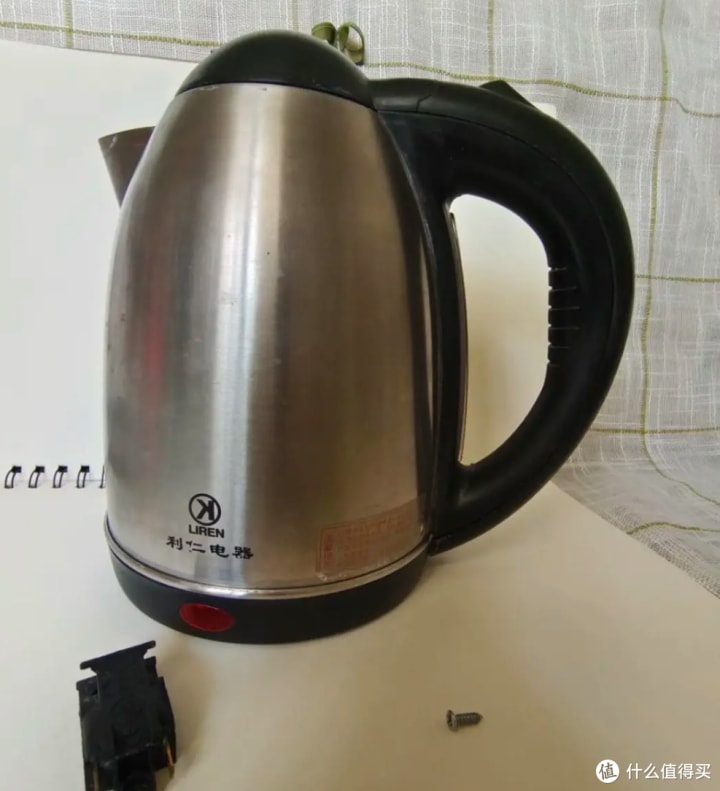
Imagine leaving a steamer or electric kettle running without an automatic shutoff. Overheating could lead to burns, fires, or even explosions. Similarly, devices like electric cookers and small kitchen appliances can cause accidents when their safety features fail.
Tip: Invest in appliances with automatic shutoff systems. If a device’s safety function malfunctions, replace it immediately to prevent dangerous situations.
5. Cheap, Low-Quality Appliances
Inexpensive household appliances are often made with lower-quality materials and substandard manufacturing processes. While they may save you money initially, they’re not designed for long-term use and could pose safety risks over time.
When buying appliances, opt for reputable brands and trusted retailers. Although the cost may be higher, the peace of mind and safety for your family are well worth the investment.
Why Replacing Old Appliances Matters
Using outdated or malfunctioning household appliances not only compromises safety but can also lead to higher energy bills and lower efficiency. Newer models often incorporate advanced technologies, better materials, and energy-saving features that enhance overall functionality while reducing environmental impact.
Taking proactive steps to replace aging or unsafe appliances ensures a safer, more efficient, and more comfortable home environment. Don’t wait for problems to arise—evaluate your household appliances today and make smart choices for the well-being of your family.Your home is your sanctuary, and the appliances within it should enhance your life, not compromise it. While it may be tempting to hold onto items that "still work," the hidden dangers of aging or low-quality appliances are not worth the risk. By proactively replacing outdated devices, you’re not just upgrading your home—you’re investing in the safety, efficiency, and well-being of your family. Modern appliances with improved technology not only provide peace of mind but also contribute to a greener, more energy-efficient future. Don’t wait for a malfunction to cause harm—take charge today and create a safer, more comfortable living space for those you care about
About the Creator
Julygwynet
Inhale life, exhale narratives, poetry, prose, and fleeting and harmonious moments. A perfectionist who enjoys crafting and repurposing words. I write for the simple pleasure of forming patterns and words into images on a blank page.
Keep reading
More stories from Julygwynet and writers in FYI and other communities.
Tragedy blankets a once-peaceful village as sorrow and loss grip the hearts of its people.
On September 12, a heartbreaking story from the flood-ravaged Lào Cai region shocked and deeply saddened the community. At Phúc Khánh Kindergarten No. 1, located in Làng Nủ Hamlet, Phúc Khánh Commune, Bảo Yên District, a catastrophic landslide occurred, taking the lives of 10 children out of a class of 18. This tragedy has left not only the local residents grieving but also stirred emotions across the country as the haunting images of the event spread widely.
By Julygwynetabout a year ago in FYI
Outside Lands 2026: Music, Memory, and Magic
There is something different about a festival held in a park surrounded by fog. The air feels softer. The sound carries in a strange, beautiful way. Strangers stand shoulder to shoulder, waiting for a song that might stay with them for years. Outside Lands 2026 is already stirring that quiet excitement. Even before the lineup is announced, people are talking about outfits, travel plans, and who they want to see on stage. It is not just another music festival. It is a yearly ritual for thousands who return to Golden Gate Park for three days of sound, food, and shared emotion. Outside Lands 2026 promises more than performances. It promises moments.
By Muqadas khan2 days ago in FYI


Comments
There are no comments for this story
Be the first to respond and start the conversation.