
10 Everyday Things That Are Illegal in North Korea (And Most of Us Can’t Imagine Living Without)
From Internet Access to Having an Opinion: Life Inside the World’s Most Secretive Nation
Imagine standing in a massive crowd, surrounded by thousands, maybe even millions of people, cheering in perfect unison. The flags wave. The chants echo. Everything looks synchronized, powerful, almost unreal.
Now imagine going home after that… to a life where some of the most basic freedoms you and I take for granted are completely illegal.
North Korea has long been described as the world’s most isolated country, often called the “Hermit Kingdom.” A surviving relic of the Cold War era, it’s governed by a powerful regime that tightly controls information, culture, and daily life.
And while the country remains mysterious, reports from defectors, journalists, and international observers have revealed some shocking realities.
Let’s count down 10 everyday things that are illegal in North Korea, things many of us do without even thinking twice.
10. Surfing the Internet
Let’s start with something almost unthinkable in 2026: no open internet access.
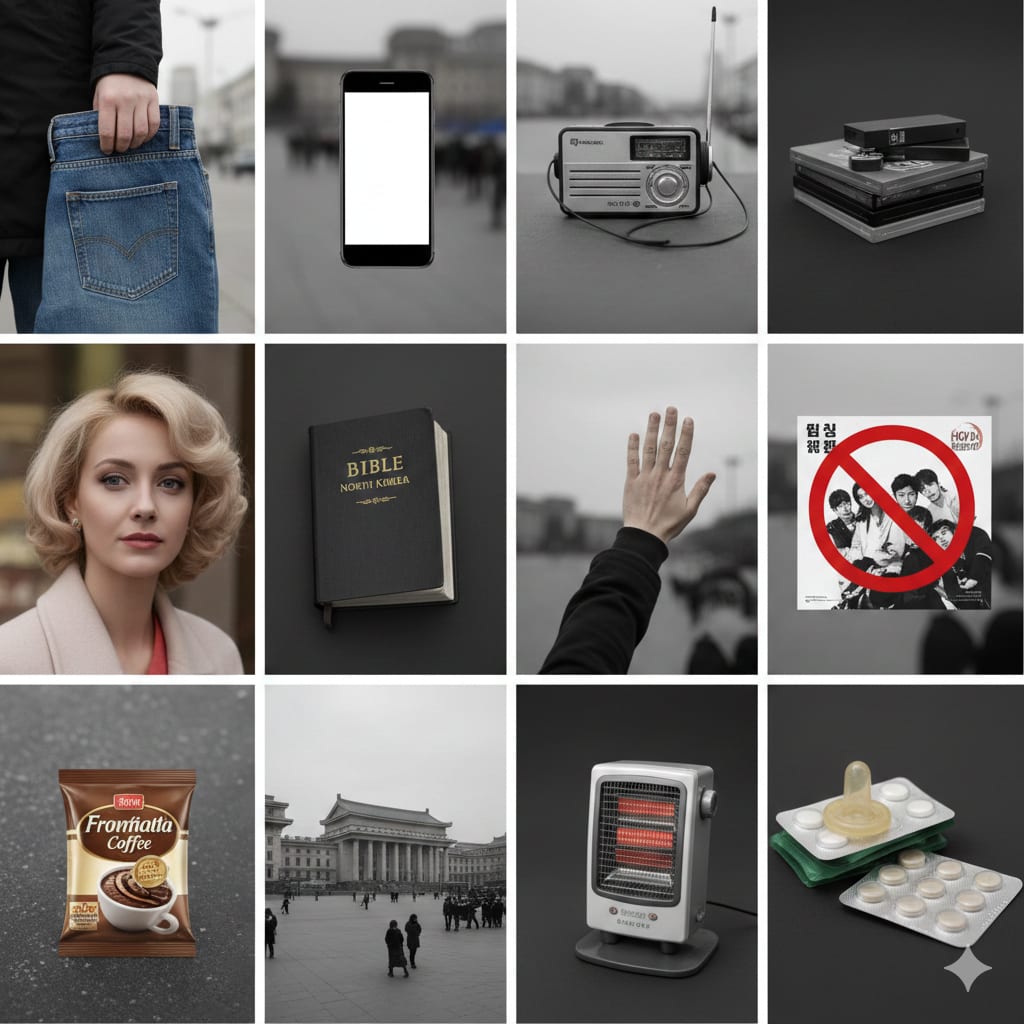
While most of the world enjoys instant access to Google, YouTube, and social media, North Korean citizens are banned from using the global internet. Instead, they have access to a state-controlled intranet system filled with government-approved content.
Everything is filtered. Everything is monitored.
Accessing the real internet without authorization can lead to severe punishment, including imprisonment in so-called “re-education camps.”
There was even a report suggesting that when North Korea’s internal network briefly became visible to the outside world, it showed only a few dozen government-controlled websites.
Imagine living in a world where the internet is just propaganda.
9. Religious Freedom
Freedom of religion is considered a basic human right in many countries.
In North Korea, however, practicing religion outside state-approved structures is extremely dangerous.
Though there are a few churches displayed in the capital city, many experts believe these serve more as political showcases than genuine religious spaces. Reports over the years have described harsh crackdowns on underground religious groups.
Ironically, critics often describe the intense loyalty demanded toward the country’s leadership as resembling a form of state-enforced devotion.
8. Driving a Car
For most of us, driving is routine.
Work. School. Grocery store. Late-night snack runs.
In North Korea, owning a private car is almost unheard of for ordinary citizens. Vehicles are typically reserved for government officials, military officers, and elites.
The result? Wide highways… with barely any traffic.
It’s one of the strangest images visitors report empty roads in a capital city.
7. Drinking Alcohol (Under Certain Conditions)
Alcohol itself isn’t universally banned, but strict rules apply especially during politically sensitive periods.
There have been reports of harsh punishment for individuals accused of drinking during national mourning periods. In a country where public behavior is closely watched, even small actions can be interpreted as political disrespect.
When the state defines morality, everyday choices become dangerous territory.
6. Watching Foreign TV Shows, Especially South Korean Content
Love K-dramas? K-pop? Western movies?
In North Korea, watching foreign entertainment, especially content from South Korea, is illegal.
Televisions are often pre-set to receive only state-approved channels, which broadcast heavily curated programming focused on leadership praise and anti-West messaging.
Defectors have described severe punishments for those caught consuming foreign media, making entertainment a risky rebellion.
5. Listening to Unauthorized Music
Music is powerful. It connects people across borders.
That’s exactly why it’s controlled.
Songs that don’t praise the leadership or align with state ideology are banned. Foreign music, especially from South Korea or the West, is considered illegal.
Yet despite the risks, smuggled USB drives and DVDs have reportedly circulated through underground networks, showing just how strong the human desire for connection and culture really is.
4. P*rnography
While many countries regulate adult content, North Korea reportedly enforces some of the harshest penalties in the world for producing or possessing it.
Even allegations tied to scandalous media have historically led to severe punishment.
In a society built on strict moral control, private behavior can quickly become a public crime.
3. Traveling Abroad
For most of us, international travel means vacations, study programs, or new job opportunities.
For the average North Korean citizen, leaving the country without government approval is illegal.
Only trusted officials and select representatives are typically permitted to travel abroad. Those who attempt to cross borders without authorization face extreme consequences if caught.
And yet, thousands have risked everything to escape.
2. Communicating with the Outside World
Calling a friend overseas. Sending an email. Messaging someone in another country.
Simple, right?
In North Korea, unauthorized international communication is considered a serious offense. The government tightly monitors communications to prevent unsanctioned contact with the outside world.
Even owning certain types of phones near border regions has reportedly led to investigations.
Information control is central to maintaining isolation.
1. Having an Opinion
This may be the most shocking of all.
Freedom of speech, expressing dissatisfaction, criticizing leadership, or even speaking carelessly can carry extreme consequences.
Defectors have described a culture of silence where people must be cautious about what they say, even in private conversations.
In many parts of the world, sharing opinions is normal. In North Korea, it can be life-altering.
Why Are People Still Fascinated by North Korea?
Despite or maybe because of its secrecy, North Korea remains one of the most discussed and debated countries in the world.
Its tightly controlled image, military displays, and mysterious leadership continue to spark curiosity.
And yes, some tourists still visit under highly controlled government tours.
Would you go?
It’s a complicated question and one that sparks intense debate.
Final Thoughts
Reading about these restrictions makes you realize how much we take for granted:
- Browsing the web
- Streaming music
- Traveling freely
- Speaking your mind
Whether through news reports, documentaries, or stories from defectors, the picture that emerges is one of extreme control over daily life.
And perhaps that’s why the world remains so captivated by North Korea, because it represents a version of reality that feels almost unimaginable to most of us.
.
.
.
.
.
.
.
.
.
.
North Korea laws, illegal things in North Korea, North Korea internet ban, life in North Korea, North Korean restrictions, freedom in North Korea, North Korea travel ban, North Korea media censorship, everyday life in North Korea, North Korea government control
About the Creator
Areeba Umair
Writing stories that blend fiction and history, exploring the past with a touch of imagination.
Keep reading
More stories from Areeba Umair and writers in FYI and other communities.
The Saddest Thing - The Billionaires Who Rule America Aren't Even Enjoying Themselves
This single post says more about our ruling class than a thousand policy papers. The saddest thing about today's system is that the men robbing the rest of us - sabotaging our economic prospects, our pensions, our access to affordable healthcare - are not even happy.
By Scott Christenson🌴8 days ago in The Swamp


Comments
There are no comments for this story
Be the first to respond and start the conversation.