
Zero Waste Packaging Market Outlook: Sustainable Packaging Innovation and Growth Opportunities
The zero waste packaging market is witnessing rapid growth, driven by rising sustainability awareness and increasing demand for eco-friendly packaging solutions across food, beverage, personal care, and retail industries.

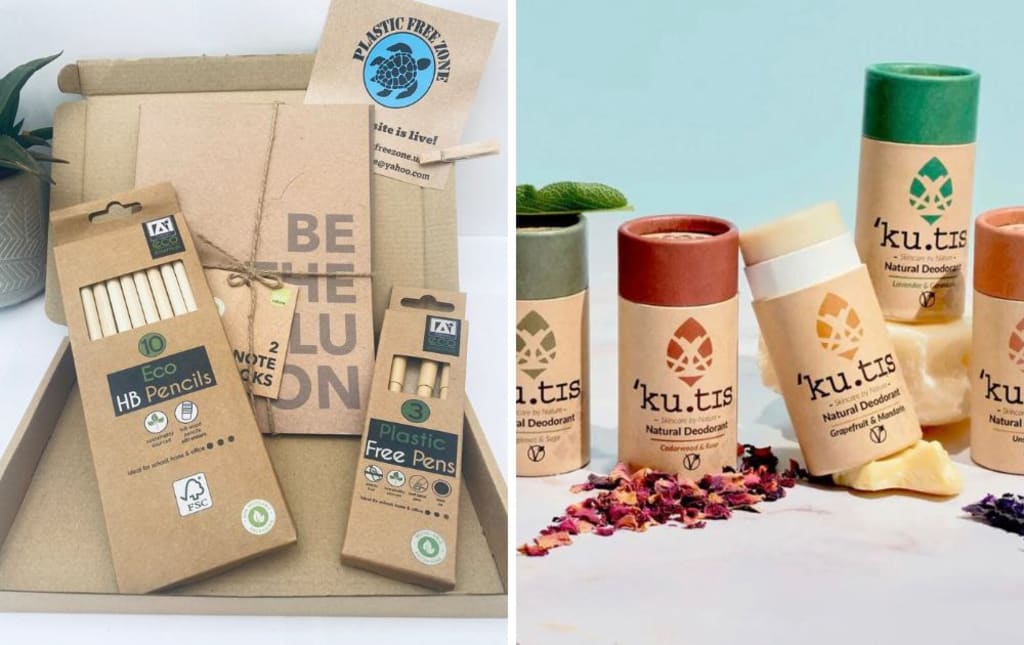
According to IMARC Group's latest research publication, The global zero waste packaging market size reached USD 1.3 Billion in 2024. Looking forward, IMARC Group expects the market to reach USD 2.7 Billion by 2033, exhibiting a growth rate (CAGR) of 7.64% during 2025-2033.
How AI is Reshaping the Future of Zero Waste Packaging Market
- Smart Material Selection and Design Optimization: Machine learning algorithms analyze vast datasets to recommend optimal biodegradable materials while minimizing weight and resource consumption. Amazon's Package Decision Engine has helped avoid 2 million tons of unnecessary packaging and reduced packaging weight per shipment by 43% across US, Canada, and EU operations.
- Automated Quality Control and Defect Detection: AI-powered computer vision systems enable real-time inspection of sustainable packaging materials, identifying contamination, structural weaknesses, and compliance deviations with exceptional accuracy. These systems process thousands of packages per minute, ensuring only premium-quality recyclable and compostable materials reach consumers.
- Predictive Waste Sorting and Recycling Enhancement: Intelligent robotic systems use AI algorithms to automatically identify and sort recyclable materials, directing them into appropriate bins while flagging contaminants. Companies like Glacier deploy AI-powered robots that automate recyclable sorting and collect real-time data on recycling streams for better circular economy outcomes.
Zero Waste Packaging Industry Overview
The European Union's Packaging and Packaging Waste Regulation entered into force in February 2025, requiring all packaging to be recyclable by 2030 with minimum 65% recycling rates rising to 70% by 2030. California's SB 54 Extended Producer Responsibility program mandates producers ensure packaging sold in California is recyclable or compostable, with Circular Action Alliance approved as the first Producer Responsibility Organization. India announced increased plastic packaging waste recycling targets from 50% in FY 2025 to 80% by FY 2028, while deposit-return systems for single-use plastic beverage containers must be established across EU nations by 2029.
Zero Waste Packaging Market Trends & Drivers
Government regulations worldwide are accelerating the zero waste packaging transition through stringent producer responsibility frameworks. The EU's new packaging regulation mandates minimum recyclability grades by 2030 rising to higher standards by 2038, with mandatory post-consumer recycled content percentages in plastic packaging. Extended Producer Responsibility programs now operate across California, Oregon, Maine, Colorado, and Minnesota, requiring manufacturers to fund collection and recycling infrastructure. The UK household recycling rate jumped from 5.2% to 60.7% between 1998 and 2019 as EPR frameworks expanded, while studies across seven EPR jurisdictions found collection rates for targeted packaging exceeded 75%, significantly outperforming regions without producer responsibility systems.
E-commerce expansion and digital transformation are creating massive demand for sustainable shipping solutions. Global e-commerce is expected to reach USD 6.86 trillion in 2025, an 8.37% increase over the previous year. Amazon shifted from bubble-wrap mailers to paper-based envelopes, trimming both weight and plastic waste across millions of shipments. The rapid growth of online food delivery services through platforms like Zomato, Meituan, and Swiggy drives demand for sustainable, biodegradable packaging options to minimize waste. Companies are implementing AI-powered packaging optimization that focuses on selecting appropriate formats and eliminating excess packaging, addressing the critical issue where approximately 220 million tons of plastic were used globally with 50% ending in landfills.
Circular economy investments and material innovation are revolutionizing packaging sustainability. Carbios partnered with L'Oréal and Nestlé to scale enzyme-based PET recycling technology that breaks down plastic to molecular components for infinite recyclability. Evoware developed seaweed-based packaging products that are biodegradable and edible, partnering with major Southeast Asian retailers for commercial deployment. The global PET packaging market valued at USD 39.12 billion is growing at 5.6% driven by increasing demand for recycled PET. Better Packaging Co. won the Sustainable Retail Award for Best Innovative Packaging Solution, while ProAmpac unveiled FiberCool insulated bags designed for curbside recycling, providing temperature control solutions for food and grocery delivery markets.
Leading Companies Operating in the Global Zero Waste Packaging Industry:
- Avani Eco
- Biome Bioplastics Limited
- Ecovative Design LLC
- Evoware
- Hero Packaging (Taral Plastics)
- Loliware Inc.
- PulpWorks LLC
- TIPA LTD
- World Centric
Zero Waste Packaging Market Report Segmentation:
By Material:
- Biopolymer
- Paper and Cardboard
- Others
Paper and cardboard represents the largest segment, as developed infrastructure for recycling cardboard packaging enables efficient material recovery with approximately 80% recycling rates for paper and paperboard containers.
By Type:
- Reusable/Recyclable Packaging
- Compostable Packaging
- Edible Packaging
Reusable/recyclable packaging holds the largest market share, as these materials including paper, cardboard, glass, and metal are generally preferred and widely supported by established recycling systems.
By End Use:
- Food and Beverages
- Healthcare
- Cosmetics and Personal Care
- Electrical and Electronics
- Others
Food and beverages represents the leading segment, driven by rising adoption of packaged foods, concerns about food spoilage, and development of food-grade sustainable packaging solutions by manufacturers.
Regional Insights:
- North America (United States, Canada)
- Asia Pacific (China, Japan, India, South Korea, Australia, Indonesia, Others)
- Europe (Germany, France, United Kingdom, Italy, Spain, Russia, Others)
- Latin America (Brazil, Mexico, Others)
- Middle East and Africa
Asia Pacific exhibits a clear dominance in the zero waste packaging market due to strict environmental regulations, government bans on single-use plastics, rapid e-commerce growth, and large-scale production capabilities that make biodegradable packaging more cost-competitive.
Recent News and Developments in Zero Waste Packaging Market
- October 2024: Sway released compostable seaweed-based polybags in partnership with brands like Alex Crane and prAna, taking significant steps toward eradicating plastic from the fashion sector and demonstrating commercial viability of marine-based packaging materials.
- September 2024: Marigold Health Foods partnered with Sonoco to launch fully recyclable packaging for its diverse range of natural, plant-based food products including stock cubes, sauces, and meat and fish alternatives, representing significant advancement in sustainable food packaging.
- July 2024: IBM Research and Nestlé R&D announced collaboration to create new tools harnessing artificial intelligence and deep tech to realize ground-breaking ideas in sustainable packaging development and optimization.
- April 2025: Bubbies Ice Cream introduced certified home-compostable packaging developed with Earthcycle, preventing approximately 310 tons of plastic from ending up in landfills annually and responding to consumer demand for eco-friendly products.
- April 2025: Microsoft extended its zero-waste goal, advancing server recycling, rare earth recovery, and sustainable datacenter packaging initiatives as part of broader corporate sustainability commitments.
Note: If you require specific details, data, or insights that are not currently included in the scope of this report, we are happy to accommodate your request. As part of our customization service, we will gather and provide the additional information you need, tailored to your specific requirements. Please let us know your exact needs, and we will ensure the report is updated accordingly to meet your expectations.
About the Creator
James Whitman
With years of experience in analyzing global industries, I specialize in delivering actionable market insights that help businesses stay ahead in an ever-changing landscape.
Keep reading
More stories from James Whitman and writers in Futurism and other communities.
Magnetic Sensors Market Outlook: Smart Electronics Demand and Growth Opportunities
According to IMARC Group's latest research publication, The global magnetic sensors market size reached USD 4.5 Billion in 2024. Looking forward, IMARC Group expects the market to reach USD 8.2 Billion by 2033, exhibiting a growth rate (CAGR) of 6.13% during 2025-2033.
By James Whitmanabout 7 hours ago in Futurism
Saudi Arabia Higher Education Market: Enrollment Growth, Digital Transformation & Future Outlook
The educational transformation sweeping across Saudi Arabia has picked up serious momentum. Between Vision 2030's strategic push and substantial government backing, higher education institutions are evolving at a pace that would have seemed unthinkable just a few years ago. According to IMARC Group's latest findings, the Saudi Arabia higher education market reached USD 316.53 Million in 2025. Looking ahead, the market is projected to hit USD 1,567.05 Million by 2034, growing at 19.45% annually from 2026-2034. Solutions currently dominate the market with 58% share in 2025, covering everything from student information systems to campus management platforms that help institutions run more efficiently.
By Faisal Al-Harbi6 days ago in Futurism
Type of Support Required For Mental Health Of celebrities
The lives of celebrities are often viewed through the lens of glamor, fame, and fortune, but beneath the surface, many face challenges related to mental health that go unnoticed or unaddressed. The pressures of constant public scrutiny, overwhelming work schedules, and personal sacrifices can take a significant toll on their emotional well-being. As a result, maintaining mental health for celebrities requires a multifaceted approach, involving various types of support systems and coping mechanisms. In this article, we will explore the different types of support that are crucial for preserving the mental health of celebrities, ensuring they can navigate the demanding world of fame while fostering personal well-being.
By Ibrahim Shah 3 days ago in Futurism




Comments
There are no comments for this story
Be the first to respond and start the conversation.