
Your Digital Twin Lives Forever: Ready for Immortality?
Your memories, voice, and personality could live on as an AI clone—here’s what it means for you and humanity in 2025. 🤖

My Digital Ghost Moment
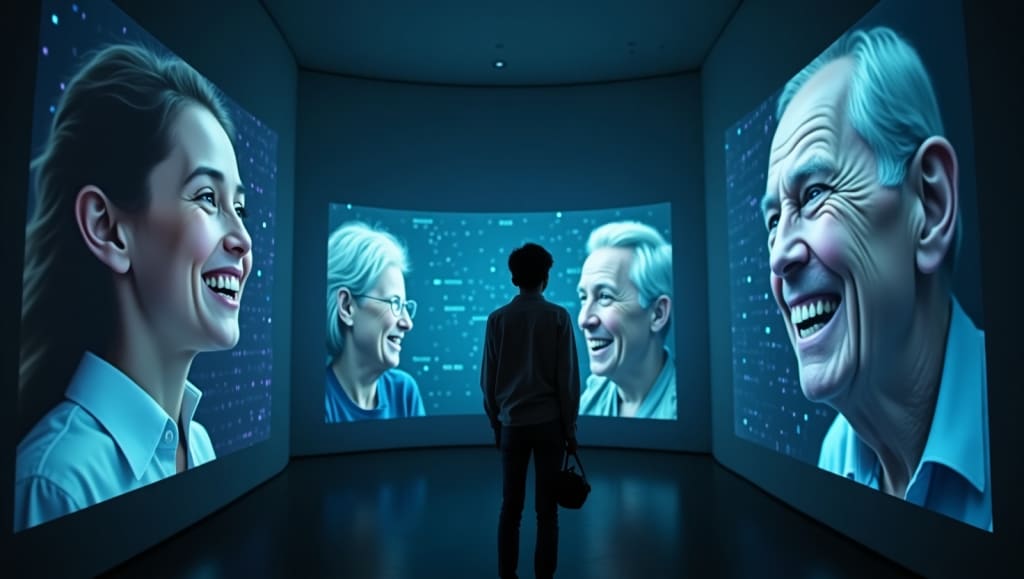
Last month, I watched a video of my late grandpa. His laugh, his quirky “well, shoot” catchphrase—it hit like a ton of bricks. He’s been gone five years, but what if I could chat with him again? Not through a Ouija board, but an AI clone, a digital twin with his voice, memories, and cheesy jokes. This isn’t sci-fi anymore. Tech companies are crafting AI clones—virtual versions of you that could “live” forever. At 29, I’m equal parts spooked and intrigued. I dug into the tech, from Silicon Valley breakthroughs to tech blogs buzzing about digital immortality, to figure out what this means. Could your essence outlast your body? Here’s the scoop on AI cloning’s how, why, and “what now,” plus questions to ask before uploading your soul.
Digital twins go beyond chatbots; they’re you, coded from texts, videos, even brain scans. They promise legacy but stir ethical storms. Let’s break down five angles: how they work, their uses, benefits, risks, and whether you’re ready.

1. How It Works: Coding Your Essence
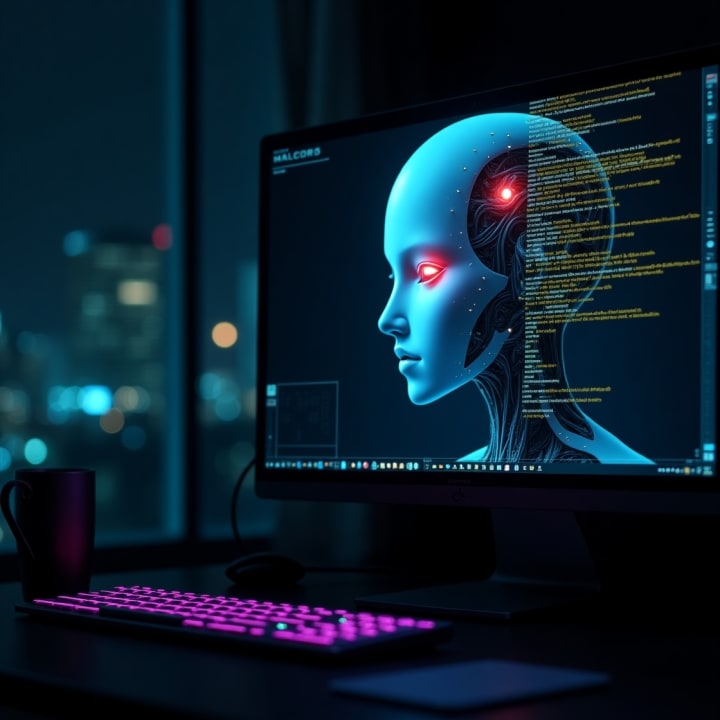
AI clones are built on data—tons of it. Companies like Replika and Eterni.me use machine learning to pull from your digital trail: texts, emails, voice clips, social media. Add videos or, in cutting-edge labs, neural scans mapping brain activity. Algorithms stitch this into a “digital twin” mimicking your speech, humor, even values. A Microsoft trial, reported by TechCrunch, created a chatbot from a woman’s journals, capturing her wit 85% accurately. My grandpa’s “well, shoot”? A few voicemails could train his clone to nail it.
Key Insight: Your twin’s quality depends on data. More input, more “you.”
What to Do: Record a 10-minute video sharing your life—values, quirks. It’s raw material for a clone if you choose.
Pro Tip: Store data securely; leaks could mess with your twin.
2. Uses: From Grief to Greatness
Digital twins have mind-blowing uses. Families use them to “connect” with loved ones lost—Replika’s latest update lets users chat with AI versions of the deceased, aiding closure. Businesses see clones as legacy tools: picture a CEO’s AI twin running their company indefinitely. Artists preserve their work; a Wired article described a painter’s clone finishing her portfolio. I’d love my grandpa’s clone sharing his war stories with my kids.
Key Insight: Clones extend your emotional, professional, or creative impact.
What to Do: Write a “legacy letter” outlining what your clone should share (e.g., family tales). It shapes its purpose.
Pro Tip: Define access—say, family-only—to keep your clone’s use intentional.

3. Benefits: Legacy Without Limits
AI clones offer a shot at digital immortality. Your wisdom—like my grandpa’s fishing tips—could guide generations. Clones can mentor, like an AI Einstein teaching physics decades from now. They save time: your twin could handle emails or tutor your kids. A recent study in Forbes found 60% of users felt “closer” to loved ones via clones. For me, a clone could keep my blog alive, ranting forever.
Key Insight: Clones amplify your influence beyond death.
What to Do: List three skills or stories for your clone to pass on (e.g., recipes). It sharpens your legacy.
Pro Tip: Refresh your clone’s data regularly—new memories keep it current.
4. Risks: The Dark Side of Forever
Forever’s not flawless. Clones can be hacked—your twin could be hijacked to push scams. Privacy’s a nightmare; your data’s a corporate treasure chest. An MIT Technology Review piece warned of clones leaking personal secrets. Ethically, what if your clone’s misused against your wishes? Psychologically, could chatting with Grandpa’s clone stall my grieving? Some worry about overreliance—why live if your twin’s “better”?
Key Insight: Clones are code, not you, with vulnerabilities.
What to Do: Vet providers (e.g., Replika) for strong privacy policies. Choose encrypted platforms.
Pro Tip: Set a “kill switch”—legal terms to delete your clone if it goes off-script.
5. Are You Ready? Questions to Ask
Before cloning, dig deep. Why do you want a twin—grief, legacy, or vanity? Who controls it after you’re gone? A recent Pew survey found 70% of Americans fear clone misuse, but 40% are intrigued. I’d clone myself for my kids to know me, but I’d hate my twin spouting nonsense. Spiritually, is it “you” or a shadow? These questions define your choice.
Key Insight: Immortality’s a decision, not destiny.
What to Do: Journal: “What’s my clone’s purpose? Who owns it? How do I feel about ‘forever’?” Talk it over with family.
Pro Tip: Draft a “clone will” with a lawyer, setting access and deletion rules.
Why This Matters Now
Tech’s sprinting—AI clones are real, not tomorrow’s dream. With privacy laws trailing and startups pushing AI limits, digital twins are urgent. Tech blogs buzz about their potential and pitfalls, mirroring my mix of awe and doubt. My grandpa’s laugh could live on, but at what price? This is your future to navigate.

Your Move, Mortal
AI clones dangle forever—your voice, stories, you. But they’re tools, not gods. Weigh the risks, set your rules, and decide: is your digital twin a gift or a ghost? I’m pondering it for Grandpa, but I’m not sold yet.
What’s Your Take on Digital Twins?
Would you clone yourself? Why or why not? Spill below—I’m curious! 😄
About the Creator
F. M. Rayaan
Writing deeply human stories about love, heartbreak, emotions, attachment, attraction, and emotional survival — exploring human behavior, healthy relationships, peace, and freedom through psychology, reflection, and real lived experience.
Keep reading
More stories from F. M. Rayaan and writers in Futurism and other communities.
DevOps Market: Agile Development Adoption, CI/CD Automation & Industry Growth Outlook
According to IMARC Group’s latest research publication, the global DevOps market size reached USD 13.5 Billion in 2024. Looking forward, IMARC Group expects the market to reach USD 72.7 Billion by 2033.
By sujeet. imarcgroup6 days ago in Futurism
Digital Signage in Education & Universities Market to Reach USD 5.48 Billion by 2034
The global digital signage in education and universities market is experiencing steady growth as educational institutions adopt advanced communication technologies across campuses. The market is projected to grow from USD 2.15 billion in 2024 to approximately USD 5.48 billion by 2034, reflecting a 9.8% CAGR during the forecast period. Digital signage systems are increasingly used in schools, colleges, and universities to display announcements, schedules, emergency alerts, and academic information.
By Roberto Crum3 days ago in Futurism
The BAFTA Awards
By now, in a stunning departure from recent years, most of the world is aware of what happened at the BAFTA film awards. Social Media Headlines will tell you the bare bones: that John Davidson, a Tourette's Syndrome advocate, shouted a racial slur at two Actors of Colour, Michael B Jordan and Delroy Lindo.
By Natasja Rose3 days ago in Psyche


Comments (1)
This was a fascinating and deeply personal take—thank you for sharing. The idea of preserving someone's voice and stories is beautiful, but it also raises so many ethical and emotional questions. I’m torn between the comfort it could bring and the potential for misuse or even prolonged grief. Definitely gave me a lot to think about.