
Window Sensor Market Size and Forecast 2025–2033
How Smart Homes, IoT, and Energy Efficiency Are Powering the Next Decade of Intelligent Security


Introduction: A Market Opening to New Possibilities
The global Window Sensor Market is entering a transformative phase as intelligent security and building automation reshape residential, commercial, and industrial environments. According to Renub Research, the market is expected to grow from US$ 12.98 billion in 2024 to US$ 24.78 billion by 2033, registering a strong CAGR of 7.45% from 2025 to 2033. This robust growth is driven by rising adoption of smart home security systems, rapid improvements in Internet of Things (IoT) connectivity, accelerating urbanization, and the increasing use of wireless technologies that enhance automation, safety, and energy efficiency.
Once limited to basic intrusion detection, window sensors today have evolved into intelligent components of connected ecosystems. They now interact with lighting, HVAC, and security systems, offering not just protection but also operational efficiency and sustainability. As smart cities, energy-efficient buildings, and digitally enabled homes become the global standard, window sensors are emerging as a foundational technology for next-generation infrastructure.
Global Window Sensors Market Overview
Window sensors are electronic devices designed to detect when a window is opened, closed, or tampered with. Typically using magnetic contact, motion detection, or pressure-based mechanisms, these sensors transmit signals to a central control system or directly to smart devices. Their applications extend beyond intrusion detection into energy management, ventilation control, and building automation.
In modern installations, window sensors are increasingly equipped with wireless connectivity, mobile app compatibility, and AI-driven analytics, allowing users to monitor real-time activity and automate responses such as adjusting temperature or triggering alerts. This dual functionality—security plus energy optimization—has made window sensors indispensable in both residential and commercial settings.
As urban populations grow and building density increases, the demand for automated safety and monitoring systems is rising. Falling costs of smart devices, along with government-backed smart infrastructure initiatives, are further accelerating adoption. From private homes to corporate offices and industrial facilities, window sensors are becoming standard equipment in the global shift toward intelligent buildings.
Growth Drivers Shaping the Window Sensor Market
1. Rising Smart Home Adoption and Security Awareness
The global surge in smart home adoption is a primary catalyst for window sensor demand. Homeowners increasingly prioritize intelligent security solutions that offer real-time alerts, remote access, and seamless integration with smartphones and digital assistants. Window sensors play a vital role in detecting unauthorized entry, triggering alarms, and enabling surveillance across connected platforms.
Urbanization, rising disposable incomes, and improved digital literacy have fueled interest in home automation systems. Importantly, the availability of affordable, battery-powered, and wireless sensors has lowered entry barriers, making smart security accessible to a broader demographic. Integration with voice-controlled ecosystems such as Amazon Alexa and Google Home further enhances user convenience.
As security concerns continue to grow in both developed and emerging markets, consumers are seeking reliable, easy-to-install, and scalable solutions. Window sensors, with their combination of protection, automation, and energy control, are meeting this demand at an accelerating pace.
2. Integration of IoT and Wireless Technologies
IoT integration has fundamentally transformed window sensors from standalone devices into connected intelligence hubs. Modern sensors are equipped with Wi-Fi, Bluetooth, Zigbee, and Z-Wave connectivity, enabling seamless communication with smart hubs, mobile apps, and cloud platforms.
This connectivity allows sensors to deliver real-time data, support predictive maintenance, and integrate with automated systems such as lighting, HVAC, and occupancy monitoring. For example, a sensor detecting an open window can automatically reduce heating or cooling output, optimizing energy use without human intervention.
Wireless designs also simplify installation and minimize infrastructure costs, making them ideal for both new construction and retrofitting older buildings. As IoT adoption continues across industries—from residential housing to commercial property management—connected window sensors are becoming core elements of intelligent building systems worldwide.
3. Growth in Smart Building and Energy Efficiency Initiatives
Sustainability is no longer optional in modern construction. Governments and corporations are increasingly focused on reducing energy consumption and carbon footprints, driving demand for technologies that enhance building efficiency. Window sensors contribute directly to these goals by enabling smart ventilation, climate regulation, and automated energy management.
Green building standards such as LEED and BREEAM actively promote the adoption of intelligent monitoring systems. In November 2023, IKEA introduced three Zigbee-enabled sensors—Parasoll (door and window sensor), Vallhorn (motion sensor), and Badring (water leakage sensor)—each priced under US$10, making smart home security and energy management more accessible to households globally.
As smart cities expand and sustainable architecture becomes mainstream, window sensors will remain vital tools in creating energy-efficient, environmentally responsible infrastructure.
Key Challenges in the Window Sensor Market
High Installation and Integration Costs
Despite technological progress, high initial costs remain a barrier, particularly for price-sensitive consumers and developing regions. Advanced wireless sensors often require compatible hubs, apps, or network upgrades, increasing total system expenses. Retrofitting older buildings can further add to labor and configuration costs.
For commercial installations involving large numbers of sensors, expenses related to network setup, maintenance, and software integration can be substantial. Although device prices are gradually declining, affordability continues to influence adoption rates, especially in emerging markets.
Data Privacy and Connectivity Concerns
As window sensors become part of IoT ecosystems, data privacy and cybersecurity have emerged as critical issues. These devices collect and transmit sensitive information about building usage patterns, raising concerns over hacking, unauthorized access, and surveillance.
Unstable internet connectivity can also result in false alarms or missed alerts, undermining system reliability. To maintain consumer trust, manufacturers must prioritize robust encryption, regular firmware updates, and offline functionality. Addressing these challenges will be essential for sustaining long-term growth as digital ecosystems expand.
Regional Market Insights
United States
The United States leads the global window sensor market, driven by widespread smart home adoption and high consumer awareness of home security. Major players such as Honeywell, ADT, and Ring dominate with AI-enabled, IoT-compatible products.
Government incentives for energy-efficient housing, coupled with strong demand for automation in residential and commercial properties, continue to fuel growth. Integration with platforms like Alexa and Google Home has further accelerated adoption. As sustainability and digital transformation remain national priorities, the U.S. market is expected to expand steadily across both households and enterprises.
Germany
Germany represents one of Europe’s most significant markets due to its emphasis on energy efficiency, quality engineering, and data security. Strong government support for sustainable construction and compliance with EU green building regulations has encouraged the integration of window sensors into building management systems.
German consumers and enterprises favor high-precision, reliable products, creating demand for premium sensor solutions from companies such as Bosch and ABB. As smart cities and digital infrastructure projects gain momentum, window sensors are becoming essential for achieving Germany’s long-term sustainability goals.
China
China’s window sensor market is expanding rapidly, supported by urbanization, industrial growth, and government-led smart city initiatives. Domestic manufacturers are leveraging IoT and AI technologies to produce cost-effective sensors, increasing accessibility for mass markets.
Rising awareness of security and convenience, combined with strong e-commerce distribution channels, has boosted adoption across residential and commercial properties. While concerns about data privacy and quality consistency remain, China’s manufacturing scale and infrastructure investment position it as a key growth engine in the global market.
Saudi Arabia
Saudi Arabia’s market is growing steadily under the influence of Vision 2030, which emphasizes smart infrastructure, digital transformation, and sustainable urban development. Mega-projects such as NEOM and large-scale residential expansions are creating significant demand for intelligent building technologies.
Although high costs and reliance on imports present challenges, partnerships between global technology firms and local developers are improving accessibility. As automation and smart security become central to national development strategies, Saudi Arabia is emerging as a regional hub for advanced building systems.
Recent Developments in the Window Sensor Market
March 11, 2024: Honeywell Hometown Solutions India Foundation (HHSIF) announced the successful upskilling of over 4,000 youth and improvements to school infrastructure across Tamil Nadu, reinforcing Honeywell’s commitment to community development and intelligent infrastructure.
January 2024: Samsung Electronics launched its 2024 lineup of Neo QLED, MICRO LED, OLED, and Lifestyle Displays, signaling the beginning of the AI Screen Era and highlighting its vision for AI-driven, connected living environments.
December 19, 2023: Honeywell Automation India Limited secured a major contract from Reliance Life Sciences to deploy advanced building management and safety technologies, further strengthening its presence in intelligent building automation.
Window Sensor Market Segmentation
By Type
Indoor
Outdoor
By Product Type
Wired
Wireless
By Application
Residential
Commercial
Geographical Coverage (25-Country Breakup)
North America: United States, Canada
Europe: France, Germany, Italy, Spain, United Kingdom, Belgium, Netherlands, Turkey
Asia Pacific: China, Japan, India, Australia, South Korea, Thailand, Malaysia, Indonesia, New Zealand
Latin America: Brazil, Mexico, Argentina
Middle East & Africa: South Africa, United Arab Emirates, Saudi Arabia
Competitive Landscape: Key Players
Each company is analyzed across five dimensions—Company Overview, Key Persons, Recent Developments & Strategies, SWOT Analysis, and Sales Performance:
Eve Systems GmbH (Elgato)
Hotron Ltd.
MS Sedco
Samsung Electronics Co. Ltd.
SecurityMan Inc.
Optex Group Co. Ltd.
Panasonic Corporation
Pepperl+Fuchs SE
Honeywell International Inc.
SABRE – Security Equipment Corp.
Market competition is characterized by product innovation, strategic partnerships, and investments in AI, cybersecurity, and wireless connectivity. Leading firms are focusing on affordability, interoperability, and enhanced analytics to differentiate their offerings.
Future Outlook
The next decade will see window sensors evolve beyond security tools into integral components of intelligent ecosystems. Advancements in AI, edge computing, and 5G connectivity will enable faster data processing, predictive insights, and deeper automation.
As sustainability goals tighten and smart infrastructure expands, window sensors will play a crucial role in energy conservation, climate control, and real-time monitoring. Emerging markets in Asia, the Middle East, and Latin America are expected to contribute significantly to global demand, supported by urbanization and digital transformation.
Final Thoughts
The Window Sensor Market, projected to grow from US$ 12.98 billion in 2024 to US$ 24.78 billion by 2033 at a CAGR of 7.45%, reflects a broader shift toward intelligent, secure, and sustainable living. While challenges such as cost and data security persist, continuous innovation in IoT integration, wireless design, and AI-driven automation is redefining what window sensors can achieve.
From safeguarding homes to optimizing energy use in smart cities, window sensors are no longer optional accessories—they are foundational technologies shaping the future of modern infrastructure. As connectivity, affordability, and consumer awareness continue to improve, the global market is set to unlock unprecedented opportunities for manufacturers, developers, and end users alike.
About the Creator
jaiklin Fanandish
Jaiklin Fanandish, a passionate storyteller with 10 years of experience, crafts engaging narratives that blend creativity, emotion, and imagination to inspire and connect with readers worldwide.
Keep reading
More stories from jaiklin Fanandish and writers in Futurism and other communities.
Global Window Sensor Market Size & Forecast 2025–2033
Introduction The rapid evolution of smart homes, connected infrastructure, and intelligent building systems has placed window sensors at the center of modern security and automation strategies. Once considered simple alarm components, window sensors are now sophisticated devices integrated with IoT networks, mobile applications, and AI-based analytics. They not only enhance safety by detecting intrusion or tampering but also play an increasingly important role in optimizing energy efficiency, climate control, and building management.
By jaiklin Fanandishabout 7 hours ago in Futurism
About Binding Prometheus
I want to start actively advocating on behalf of my own work, and the most valuable part of my canon is, without a doubt, Binding Prometheus, the play I have been working on since 2019 and only finished in 2023 as part of my MA. The play itself is an amalgamation of a million different inspirations. On one end, it evokes the Ancient Greek myth-play, deriving its own title from the earliest extant work of Western drama we have, Aeschylus’s Prometheus Bound. On the other end, it borrows significantly from the sci-fi bulwarks from over the years, namely Mary Shelley’s Frankenstein and Karel Capek’s Rossum’s Universal Robots. The play could be an episode of Black Mirror, I fear. I don’t know. I’ve only ever seen one episode of Black Mirror.
By Steven Christopher McKnight12 days ago in Futurism
Saudi Arabia Packaging Market: FMCG Demand, Lightweight Solutions, Innovation Drive & Vision 2030
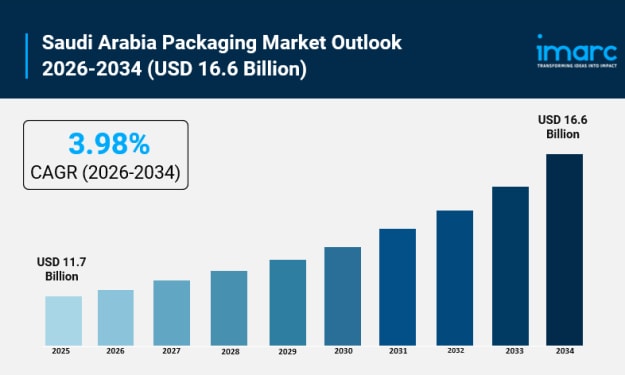
According to IMARC Group's latest research publication, Saudi Arabia packaging market size reached USD 11.7 Billion in 2025. The market is projected to reach USD 16.6 Billion by 2034, exhibiting a growth rate of 3.98% during 2026-2034.
By Jeffrey Wilsona day ago in Futurism



Comments
There are no comments for this story
Be the first to respond and start the conversation.