
Why Humans Could Be Living Underground in 10 Years
Why Humans Could Be Living Underground in 10 Years
We have all experienced the frustrating reality of battling traffic as we navigate through the congested city streets on our way to work. Urban sprawl, characterized by the uncontrolled expansion of cities, has brought about numerous negative consequences for both people and the environment. In fact, the United Nations predicts that by 2050, 68% of the global population will reside in cities. Given this projection, it is crucial that we reevaluate how we construct and develop our cities.
The relentless growth of cities has led to the destruction of precious ecosystems and a decline in biodiversity as concrete jungles encroach upon pristine wilderness areas. According to the World Wildlife Fund, habitat loss is the primary threat to 85% of all endangered species. Furthermore, as cities continue to expand, they place higher demands on water, energy, and raw materials, often resulting in increased air, water, and soil pollution. Urban air pollution alone is responsible for approximately 240,000 premature deaths in the European Union annually. However, it is worth noting that these figures have shown a decline over the past decade as many European cities strive to reduce their emissions.
In addition to these environmental concerns, urban sprawl also contributes to lengthy and burdensome commutes. We find ourselves traveling greater distances to reach our workplaces, schools, and other destinations, leading to traffic congestion and further degradation of air quality. On average, Americans waste around 54 hours per year stuck in traffic. Moreover, the expansion of cities poses a threat to the limited green spaces within urban areas. Parks and gardens provide numerous benefits to city dwellers, including improved mental health, cleaner air, and opportunities for physical exercise. Unfortunately, these valuable green areas are often sacrificed to make way for new developments.
Skyscrapers were once hailed as a solution to urban sprawl following World War One, as they rapidly sprouted across America and other regions. However, these towering structures come with their own drawbacks. They are expensive to maintain and consume significantly more energy per square meter than low-rise buildings—up to 70% more, in fact. Skyscrapers can also cast long shadows that darken city spaces and create wind tunnel effects, making adjacent streets less appealing for pedestrians. Recognizing these pitfalls, architects have begun exploring alternative solutions, some drawing inspiration from the depths of the Earth itself. This is where the concept of "earth scrapers" comes into play.
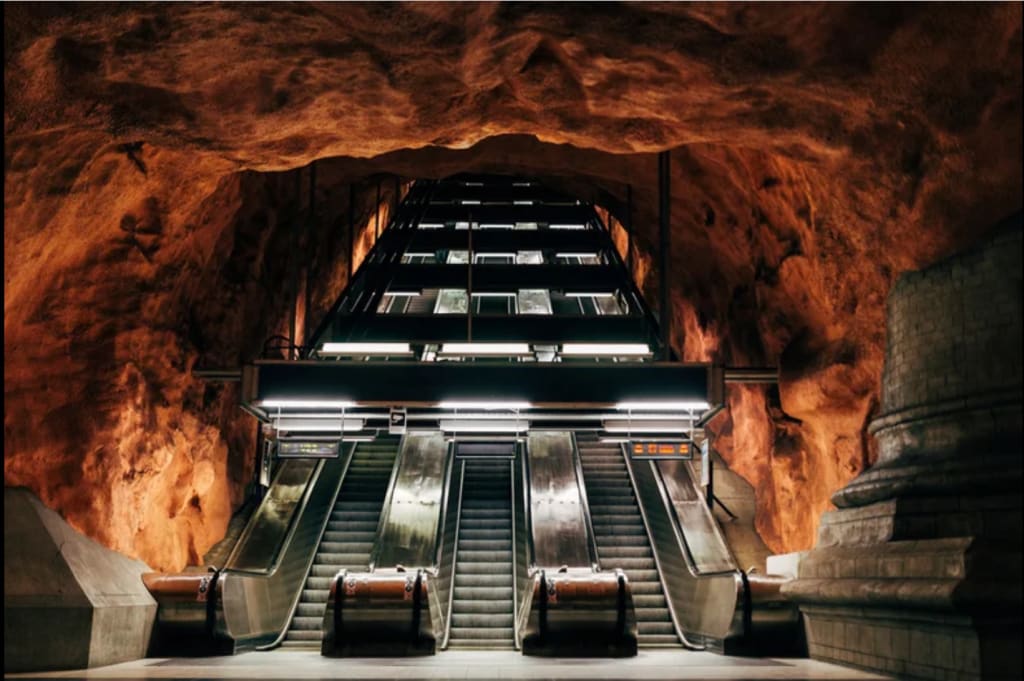
Earth scrapers turn the traditional concept of skyscrapers upside down, quite literally. By burrowing deep into the ground, they create layers of subterranean spaces for various human activities. While the term "earth scraper" may sound modern, it is essentially a contemporary interpretation of an ancient idea. The underground city of Derinkuyu in the Cappadocia region of Turkey, dating back to the 8th century BC, is a prime example of communities carved into pliable volcanic rock, featuring homes, stables, wineries, and chapels nestled beneath the Earth's surface.
With advancements in technology, architects and engineers can now delve even deeper into the Earth, constructing subterranean megastructures that would have astonished the residents of Derinkuyu. However, digging as deep as the height of the Empire State Building presents unique challenges, the most significant of which is ensuring the stability of the structure to prevent collapse. Reinforced concrete, known for its strength and durability, will be extensively used. Additionally, cutting-edge techniques such as soil nailing and deep soil mixing, which blend existing soil with cement mechanically, will be employed for reinforcement.
Another important consideration in earth scraper designs is the need to provide sufficient light and create a healthy and pleasant living environment. Architects will incorporate light wells, mirrors, and fiber optic cables to channel sunlight into the depths of the structure. Green spaces and indoor gardens can.
About the Creator
Sam
I enjoy writing blog posts encompassing a variety of topics, including travel tips, daily life hacks, tech news, fiction, and science fiction. I also share my personal experiences in the hopes of providing valuable insights for my readers.
AI in Visual Effects Market Demand to Hit USD 9.6 Billion By 2033
The Global AI in Visual Effects Market is projected to reach approximately USD 9.6 Billion by 2033, rising from USD 1.6 Billion in 2023, reflecting a CAGR of 19.6% during the forecast period from 2024 to 2033. The market expansion is supported by the increasing use of artificial intelligence technologies in film production, gaming, advertising, and digital media.
By Roberto Crum2 days ago in Futurism
The BAFTA Awards
By now, in a stunning departure from recent years, most of the world is aware of what happened at the BAFTA film awards. Social Media Headlines will tell you the bare bones: that John Davidson, a Tourette's Syndrome advocate, shouted a racial slur at two Actors of Colour, Michael B Jordan and Delroy Lindo.
By Natasja Rose7 days ago in Psyche



Comments
There are no comments for this story
Be the first to respond and start the conversation.