
Why Everything From Your Phone to Your PC May Get Pricier in 2026
Rising Costs, Supply Chain Strains, and the Tech Price Squeeze

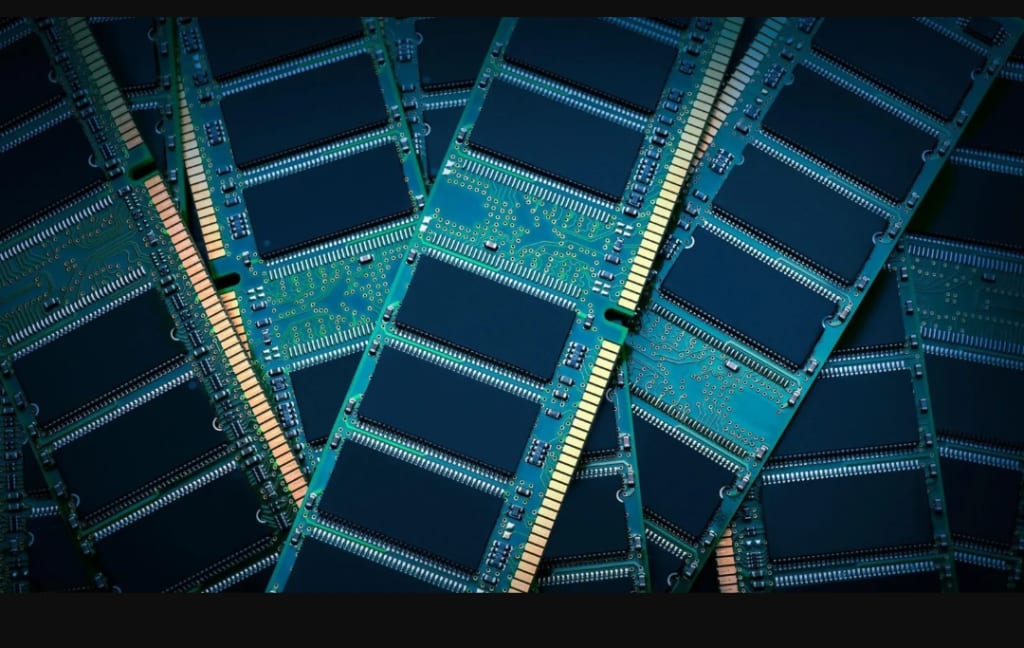
If you’ve noticed your gadgets seem more expensive these days, you’re not imagining it. In 2026, the price of technology — from smartphones and laptops to peripherals and smart home devices — is expected to climb further. A mix of global economic forces, supply chain challenges, manufacturing shifts, and geopolitical uncertainty is creating upward pressure on prices for consumer electronics. Here’s a closer look at why tech products may cost more in the year ahead, and what consumers should know before their next purchase.
1. Inflationary Pressures Still Loom Large
Although headline inflation has eased compared to recent peaks, underlying inflationary pressures remain significant. Many of the raw materials and components used in electronics — such as semiconductors, metals, and plastics — have experienced price volatility in recent years. When material costs rise, manufacturers often pass at least part of those increases on to consumers.
Moreover, rising labor costs in key production hubs — particularly in China, Southeast Asia, and Mexico — can also contribute to higher final prices. As companies adjust wages to maintain a stable workforce, the cost of assembly and quality control rises, ultimately influencing product pricing.
2. Continued Supply Chain Disruptions
The global supply chain has not fully recovered from the cascade of disruptions triggered by the COVID-19 pandemic, natural disasters, and geopolitical tensions. While improvements have been made, logistical bottlenecks still exist. Shipping costs remain elevated compared to pre-pandemic levels, and port delays and freight shortages can increase the cost of bringing products to market.
For tech companies that rely on just-in-time inventory models, even small disruptions can ripple outward, forcing them to hold more inventory or seek alternative suppliers — both of which can increase costs.
3. Semiconductor Scarcity and Geopolitical Risks
Modern electronics depend heavily on advanced semiconductors, and the global chip supply remains vulnerable. While manufacturers have expanded capacity, the pace and geography of new production — including large investments in the U.S. and Europe — are still developing.
Meanwhile, geopolitical tensions between the U.S., China, Taiwan, and other key players in the semiconductor ecosystem create uncertainty. Tariffs, export controls, or production restrictions could limit supply just as global demand continues to grow, particularly for high-performance chips used in phones, laptops, gaming consoles, and AI devices.
4. Tech Companies Shifting Production Closer to Home
Many tech companies are investing in “near-shoring” or “friend-shoring” — moving components of their manufacturing closer to consumer markets or into allied countries. While this strategy aims to reduce geopolitical risk and improve supply chain resilience, it isn’t cheap.
Setting up new facilities in the U.S., Mexico, or Eastern Europe comes with higher labor, energy, and regulatory costs compared to traditional hubs in Asia. These added expenses often translate into higher prices for consumers.
5. Investment in Future Technologies
Another factor contributing to potential price increases is the significant investment tech companies are making in next-generation technologies. Innovations such as artificial intelligence integration, augmented reality (AR) capabilities, advanced battery technology, and 5G/6G upgrades require costly research and development.
When companies incorporate these premium features into their devices, the production cost rises, making it more expensive to deliver cutting-edge performance — and often resulting in higher sticker prices.
6. Regulatory and Environmental Costs
Governments around the world are tightening regulations related to carbon emissions, e-waste, and sustainable manufacturing. These policies are designed to reduce environmental impact, but they can also increase production costs.
For example, stricter emissions standards may require manufacturers to invest in cleaner — but more expensive — production processes. Regulations mandating better recycling and end-of-life management for devices can also add logistical and compliance costs that trickle down to consumers.
7. Currency Fluctuations and Economic Policy
Global tech pricing is often influenced by exchange rate volatility. If the U.S. dollar weakens relative to other currencies, import costs for components can rise. Conversely, a strong dollar can make American tech less competitive abroad but more expensive domestically.
Additionally, fiscal and monetary policy decisions — such as interest rate adjustments by central banks — affect consumer purchasing power. Higher borrowing costs can reduce demand, prompting manufacturers to maintain higher margins on units sold to protect profitability.
8. Growing Consumer Demand for Premium Devices
Despite economic pressures, consumer demand for premium and high-performance devices continues to grow. Smartphones with advanced AI features, laptops with dedicated GPUs for creative professionals, and smart home devices with robust ecosystems all command higher prices.
Market trends suggest many consumers are willing to pay more for performance, durability, and brand reputation — even in tight economic conditions. This demand allows manufacturers to maintain higher price points.
What This Means for Consumers in 2026
For shoppers in 2026, the tech landscape may look different from years past. Prices for flagship smartphones, high-end PCs, gaming laptops, and advanced peripherals are likely to be higher than anticipated — even as older models and entry-level devices remain more accessible.
Tips for consumers:
Buy early: Prices often rise faster than discounts return.
Consider refurbished or certified pre-owned devices: These offer value while reducing waste.
Compare total cost of ownership: Warranty, repair costs, and longevity matter.
Watch for seasonal sales: Holiday seasons and back-to-school periods often feature promotions.
Conclusion
The rising cost of tech in 2026 is not the result of a single factor but a complex blend of economic, geopolitical, and technological forces. Inflationary pressures, supply chain shifts, investment in new technologies, and regulatory influences all play a role in shaping the prices consumers will see on phones, PCs, and other devices.
While price increases may be unwelcome, they also reflect broader shifts in how technology is produced, secured, and integrated into daily life. Higher costs, in many cases, also come with higher performance, smarter features, and more durable designs.
As the industry adapts to global change, consumers may find that the evolving tech landscape offers both challenges and opportunities — pushing buyers to be more informed, deliberate, and strategic in their purchases while setting the stage for the next generation of innovation.
About the Creator
Asad Ali
I'm Asad Ali, a passionate blogger with 3 years of experience creating engaging and informative content across various niches. I specialize in crafting SEO-friendly articles that drive traffic and deliver value to readers.
The Mind of the Machine: Inside the World of Generative AI
There is a moment, familiar to anyone who has spent time with a modern AI system, that is difficult to fully rationalize. You type a question, a prompt, a request — and what comes back is not the mechanical, stilted output of the computers of popular imagination. It is fluent. It is contextually aware. It is, in some cases, genuinely surprising. It answers not just the question you asked but the question you meant to ask. It writes prose that flows, generates images of startling beauty, composes music that moves, and engages in conversation with a naturalness that, for a moment at least, makes you forget entirely that there is no one on the other side.
By noor ul aminabout 10 hours ago in Futurism
Biggest LLM Mistakes Companies Make
The rush to adopt generative AI has pushed many companies to deploy chatbots and language models without a clear strategy. While the intention is to improve productivity and reduce costs, the absence of proper LLM development solutions often leads to inaccurate outputs, security risks, and failed implementations. What looks like quick innovation on the surface can quietly become a long-term operational problem.
By Ritu Singh7 days ago in Futurism




Comments
There are no comments for this story
Be the first to respond and start the conversation.