
Why Are Sensitive Reels Videos Flooding Social Media Suddenly
The Hidden Truth of Algorithms… Who Is Benefiting from This Mysterious Surge?

?
---
Why Are Sensitive Reels Videos Increasing Recently? Who Is Behind It?
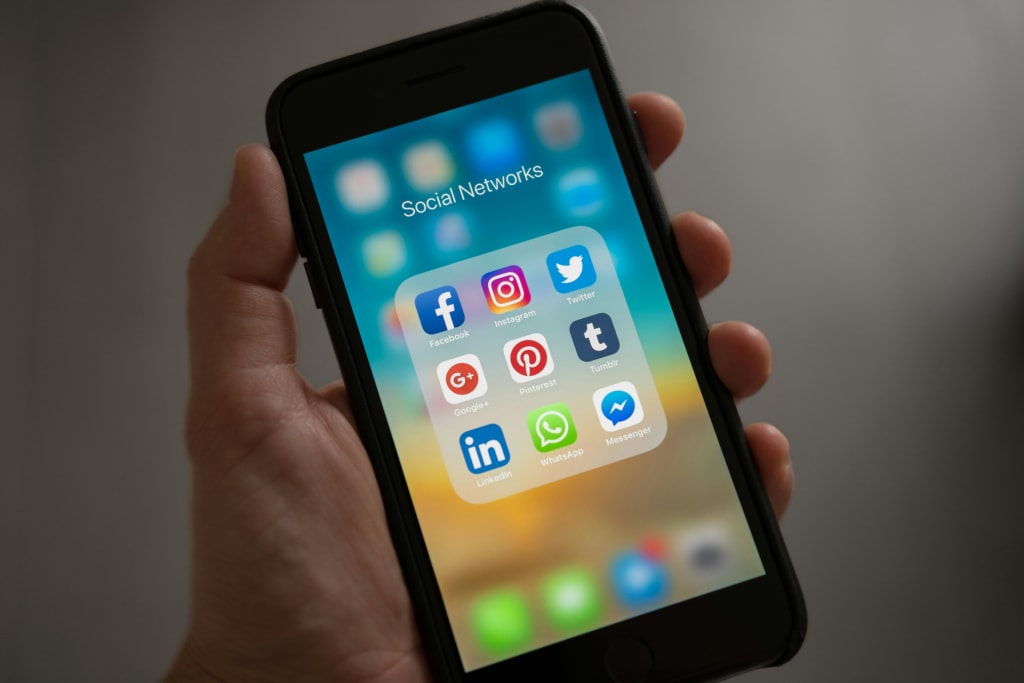
In recent days, many users have noticed a significant rise in the appearance of sensitive or inappropriate content on Reels across platforms like Instagram, Facebook, and TikTok. This phenomenon has raised several questions: Why is this happening? Is it just an algorithm glitch, or is there a specific entity behind it? In this article, we’ll explore the possible reasons behind this trend, how algorithms work, who benefits from it, and whether this spread is intentional.
---
1. Algorithms and the Interest in Controversial Content
Social media platforms use artificial intelligence that relies on engagement and interaction. The more users engage with a particular type of content, the more likely it is to appear for others. Sensitive and controversial content attracts significant attention, whether out of curiosity, criticism, or shock. When the system detects that users are spending more time on such videos, sharing them, or commenting, it assumes the content is valuable, thus promoting it further.
This means that even if a user is not actively searching for this type of content, they might still encounter it frequently if others interact with it in large numbers.
---
2. The Rise of Fake Accounts and Bots
Recently, there has been a surge in fake accounts on social media platforms. These accounts, managed by individuals or automated bots, aim to promote specific content. These accounts actively repost provocative videos to gain followers, make advertising revenue, or even scam users.
Such accounts use misleading thumbnails, clickbait titles, and manipulated engagement metrics to make the content appear more popular than it actually is, tricking the algorithm into promoting it further.
---
3. Commercial Exploitation and Hidden Ads
Some businesses or individuals exploit sensitive content to market their products or websites. For example, a video may start with an eye-catching or provocative scene before transitioning into an advertisement for a paid service or website. This marketing strategy leverages intrigue and excitement to capture users’ attention, knowing that people tend to watch such content longer.
In some cases, certain entities even pay for advertisements to boost the spread of sensitive content, benefiting from high user engagement and increasing exposure. These ads may not always be obvious, making users believe they are watching organic content when, in reality, it is part of a targeted marketing campaign.
---
4. Cultural and Social Factors
There is also a psychological and social aspect to this phenomenon. During major global events or economic crises, users often seek entertainment or distraction, making platforms prioritize engaging content—including sensitive material.
Additionally, some users deliberately share such videos to gain viral exposure, contributing to their rapid spread.
---
5. Is There a Conspiracy Behind This?
Some wonder whether a specific group is intentionally spreading this type of content. While there is no conclusive evidence of a coordinated conspiracy, several parties could benefit:
Social media companies: More engagement means higher ad revenue.
Marketing agencies: Using provocative content to drive traffic to paid services.
Digital manipulation groups: Spreading such content to alter user behavior or influence platform perception.
In some cases, coordinated campaigns use sensitive content as a tool to undermine users' trust in platforms or lure them toward alternative sites.
---
6. How to Reduce the Appearance of This Content?
If you want to avoid seeing such videos, you can take several steps:
Avoid engaging with them: Do not like, comment, or share these videos, as it increases their visibility.
Report the content: Use the “Report” option to help the platform recognize unwanted material.
Adjust recommendation settings: Many platforms allow users to mark content as “Not Interested” or “Hide this type of content.”
Use third-party tools: Some apps help filter out sensitive content automatically.
---
Conclusion
The rise of sensitive content in Reels is not a coincidence but rather the result of a mix of smart algorithms, fake accounts, and marketing strategies. Whether intentional or not, the outcome remains the same: users are exposed to content they may not want to see. The best way to counter this is by controlling your interactions, adjusting your settings, and reporting unwanted videos to ensure a safer and more enjoyable browsing experience.
The Hidden Truth of Algorithms… Who Is Benefiting from This Mysterious Surge?
---
Why Are Sensitive Reels Videos Increasing Recently? Who Is Behind It?
In recent days, many users have noticed a significant rise in the appearance of sensitive or inappropriate content on Reels across platforms like Instagram, Facebook, and TikTok. This phenomenon has raised several questions: Why is this happening? Is it just an algorithm glitch, or is there a specific entity behind it? In this article, we’ll explore the possible reasons behind this trend, how algorithms work, who benefits from it, and whether this spread is intentional.
---
1. Algorithms and the Interest in Controversial Content
Social media platforms use artificial intelligence that relies on engagement and interaction. The more users engage with a particular type of content, the more likely it is to appear for others. Sensitive and controversial content attracts significant attention, whether out of curiosity, criticism, or shock. When the system detects that users are spending more time on such videos, sharing them, or commenting, it assumes the content is valuable, thus promoting it further.
This means that even if a user is not actively searching for this type of content, they might still encounter it frequently if others interact with it in large numbers.
---
2. The Rise of Fake Accounts and Bots
Recently, there has been a surge in fake accounts on social media platforms. These accounts, managed by individuals or automated bots, aim to promote specific content. These accounts actively repost provocative videos to gain followers, make advertising revenue, or even scam users.
Such accounts use misleading thumbnails, clickbait titles, and manipulated engagement metrics to make the content appear more popular than it actually is, tricking the algorithm into promoting it further.
---
3. Commercial Exploitation and Hidden Ads
Some businesses or individuals exploit sensitive content to market their products or websites. For example, a video may start with an eye-catching or provocative scene before transitioning into an advertisement for a paid service or website. This marketing strategy leverages intrigue and excitement to capture users’ attention, knowing that people tend to watch such content longer.
In some cases, certain entities even pay for advertisements to boost the spread of sensitive content, benefiting from high user engagement and increasing exposure. These ads may not always be obvious, making users believe they are watching organic content when, in reality, it is part of a targeted marketing campaign.
---
4. Cultural and Social Factors
There is also a psychological and social aspect to this phenomenon. During major global events or economic crises, users often seek entertainment or distraction, making platforms prioritize engaging content—including sensitive material.
Additionally, some users deliberately share such videos to gain viral exposure, contributing to their rapid spread.
---
5. Is There a Conspiracy Behind This?
Some wonder whether a specific group is intentionally spreading this type of content. While there is no conclusive evidence of a coordinated conspiracy, several parties could benefit:
Social media companies: More engagement means higher ad revenue.
Marketing agencies: Using provocative content to drive traffic to paid services.
Digital manipulation groups: Spreading such content to alter user behavior or influence platform perception.
In some cases, coordinated campaigns use sensitive content as a tool to undermine users' trust in platforms or lure them toward alternative sites.
---
6. How to Reduce the Appearance of This Content?
If you want to avoid seeing such videos, you can take several steps:
Avoid engaging with them: Do not like, comment, or share these videos, as it increases their visibility.
Report the content: Use the “Report” option to help the platform recognize unwanted material.
Adjust recommendation settings: Many platforms allow users to mark content as “Not Interested” or “Hide this type of content.”
Use third-party tools: Some apps help filter out sensitive content automatically.
---
Conclusion
The rise of sensitive content in Reels is not a coincidence but rather the result of a mix of smart algorithms, fake accounts, and marketing strategies. Whether intentional or not, the outcome remains the same: users are exposed to content they may not want to see. The best way to counter this is by controlling your interactions, adjusting your settings, and reporting unwanted videos to ensure a safer and more enjoyable browsing experience.
The Hidden Truth of Algorithms… Who Is Benefiting from This Mysterious Surge?
---
Why Are Sensitive Reels Videos Increasing Recently? Who Is Behind It?
In recent days, many users have noticed a significant rise in the appearance of sensitive or inappropriate content on Reels across platforms like Instagram, Facebook, and TikTok. This phenomenon has raised several questions: Why is this happening? Is it just an algorithm glitch, or is there a specific entity behind it? In this article, we’ll explore the possible reasons behind this trend, how algorithms work, who benefits from it, and whether this spread is intentional.
---
1. Algorithms and the Interest in Controversial Content
Social media platforms use artificial intelligence that relies on engagement and interaction. The more users engage with a particular type of content, the more likely it is to appear for others. Sensitive and controversial content attracts significant attention, whether out of curiosity, criticism, or shock. When the system detects that users are spending more time on such videos, sharing them, or commenting, it assumes the content is valuable, thus promoting it further.
This means that even if a user is not actively searching for this type of content, they might still encounter it frequently if others interact with it in large numbers.
---
2. The Rise of Fake Accounts and Bots
Recently, there has been a surge in fake accounts on social media platforms. These accounts, managed by individuals or automated bots, aim to promote specific content. These accounts actively repost provocative videos to gain followers, make advertising revenue, or even scam users.
Such accounts use misleading thumbnails, clickbait titles, and manipulated engagement metrics to make the content appear more popular than it actually is, tricking the algorithm into promoting it further.
---
3. Commercial Exploitation and Hidden Ads
Some businesses or individuals exploit sensitive content to market their products or websites. For example, a video may start with an eye-catching or provocative scene before transitioning into an advertisement for a paid service or website. This marketing strategy leverages intrigue and excitement to capture users’ attention, knowing that people tend to watch such content longer.
In some cases, certain entities even pay for advertisements to boost the spread of sensitive content, benefiting from high user engagement and increasing exposure. These ads may not always be obvious, making users believe they are watching organic content when, in reality, it is part of a targeted marketing campaign.
---
4. Cultural and Social Factors
There is also a psychological and social aspect to this phenomenon. During major global events or economic crises, users often seek entertainment or distraction, making platforms prioritize engaging content—including sensitive material.
Additionally, some users deliberately share such videos to gain viral exposure, contributing to their rapid spread.
---
5. Is There a Conspiracy Behind This?
Some wonder whether a specific group is intentionally spreading this type of content. While there is no conclusive evidence of a coordinated conspiracy, several parties could benefit:
Social media companies: More engagement means higher ad revenue.
Marketing agencies: Using provocative content to drive traffic to paid services.
Digital manipulation groups: Spreading such content to alter user behavior or influence platform perception.
In some cases, coordinated campaigns use sensitive content as a tool to undermine users' trust in platforms or lure them toward alternative sites.
---
6. How to Reduce the Appearance of This Content?
If you want to avoid seeing such videos, you can take several steps:
Avoid engaging with them: Do not like, comment, or share these videos, as it increases their visibility.
Report the content: Use the “Report” option to help the platform recognize unwanted material.
Adjust recommendation settings: Many platforms allow users to mark content as “Not Interested” or “Hide this type of content.”
Use third-party tools: Some apps help filter out sensitive content automatically.
---
Conclusion
The rise of sensitive content in Reels is not a coincidence but rather the result of a mix of smart algorithms, fake accounts, and marketing strategies. Whether intentional or not, the outcome remains the same: users are exposed to content they may not want to see. The best way to counter this is by controlling your interactions, adjusting your settings, and reporting unwanted videos to ensure a safer and more enjoyable browsing experience.
About the Creator
yusuf selho
Crypto analyst and financial writer providing in-depth insights, market trends, and investment strategies. Simplifying complex concepts to help you make informed decisions. Fol the latest updates and opportunities in the digital asset spac
Keep reading
More stories from yusuf selho and writers in Futurism and other communities.
Trump Coin Faces a Sharp Decline: What’s Behind the 7.37% Drop?
Trump Coin Faces a Sharp Decline: What’s Behind the 7.37% Drop? The cryptocurrency market is known for its volatility, and one of the most talked-about digital assets in recent months has been the Trump Coin (TRUMP). This politically-themed cryptocurrency, which gained traction among supporters of former U.S. President Donald Trump, has experienced a sharp decline of 7.37% in the past 24 hours. This drop has left investors and traders questioning the reasons behind the sudden downturn. In this article, we will analyze the potential factors contributing to the decline of Trump Coin and what the future holds for this controversial asset.
By yusuf selho11 months ago in Futurism
About Binding Prometheus
I want to start actively advocating on behalf of my own work, and the most valuable part of my canon is, without a doubt, Binding Prometheus, the play I have been working on since 2019 and only finished in 2023 as part of my MA. The play itself is an amalgamation of a million different inspirations. On one end, it evokes the Ancient Greek myth-play, deriving its own title from the earliest extant work of Western drama we have, Aeschylus’s Prometheus Bound. On the other end, it borrows significantly from the sci-fi bulwarks from over the years, namely Mary Shelley’s Frankenstein and Karel Capek’s Rossum’s Universal Robots. The play could be an episode of Black Mirror, I fear. I don’t know. I’ve only ever seen one episode of Black Mirror.
By Steven Christopher McKnight18 days ago in Futurism
Key Costs to Expect for Mobile App Development in Atlanta
The first cost estimate for a mobile app usually looks manageable. A number. A timeline. A feature list. The real expense, however, rarely lives entirely in that first proposal. In Atlanta, where mobile apps increasingly support revenue, operations, and customer experience, the true cost emerges over time — shaped by decisions made early and responsibilities that surface later.
By Samantha Blake3 days ago in Futurism
The Devil's Cut
“Comrade, finally you’re awake.” The voice was smooth, sensual. A flickering incandescent bar was all that lit the white, sterile room. All Vladimir remembered was everything going black. He tried to move his arms and found them strapped to the gurney.
By Matthew J. Fromm5 days ago in Fiction




Comments
There are no comments for this story
Be the first to respond and start the conversation.