
What’s Powering the Rapid Expansion of Electric Vehicle Charging Stations Worldwide?
The Shift Toward Electric Mobility
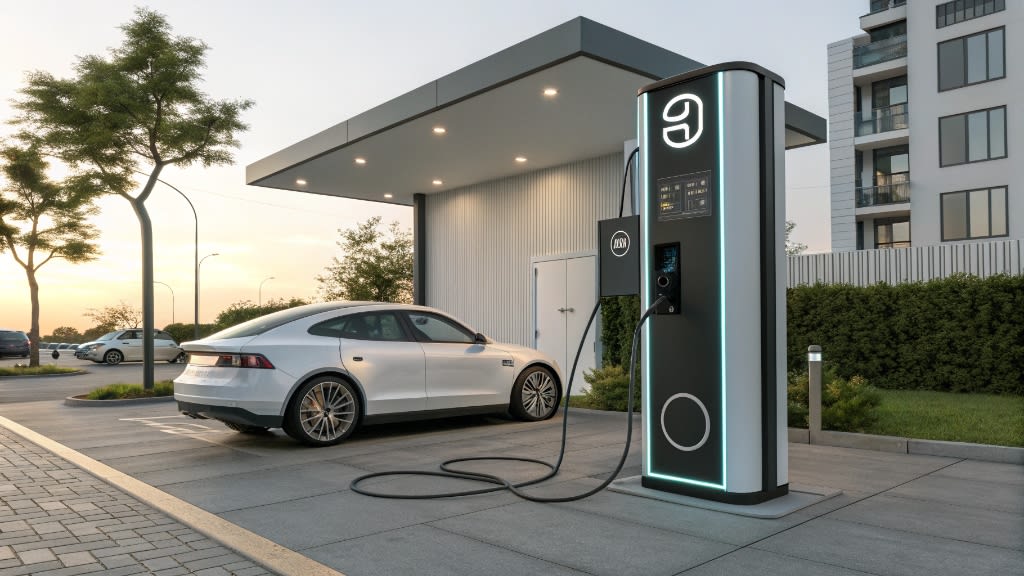
Transportation is undergoing one of the most significant transformations in modern history. As governments, businesses, and consumers seek cleaner alternatives to fossil-fuel vehicles, electric vehicles are becoming an increasingly common choice. This transition is not only reshaping how vehicles are designed and used but is also redefining the infrastructure required to support them. At the center of this transformation lies the growing network of electric vehicle charging stations.
Charging stations are the foundation of electric mobility. Without a reliable and accessible charging network, electric vehicles cannot reach their full potential. As adoption rises, the expansion of charging infrastructure has become a global priority, influencing urban planning, energy management, and transportation policies.
Understanding Electric Vehicle Charging Infrastructure
Electric vehicle charging stations provide electrical energy to recharge vehicle batteries. These stations are installed in a variety of locations, including homes, workplaces, commercial complexes, highways, and public parking spaces. Their design and charging capacity vary based on usage needs and vehicle compatibility.
Some charging stations are intended for long-duration charging, commonly used in residential or workplace settings where vehicles remain parked for extended periods. Others are designed for rapid charging, enabling drivers to recharge quickly during travel. This diversity ensures that electric vehicle users can charge conveniently regardless of location or driving pattern.
The availability of charging options directly impacts consumer confidence. When drivers know they can easily recharge their vehicles, concerns about driving range and accessibility are significantly reduced.
Factors Driving Infrastructure Development
One of the strongest drivers behind the growth of charging stations is policy support. Governments around the world are introducing regulations to reduce emissions and promote sustainable transportation. These policies often include incentives for charging station installation, funding for public infrastructure, and mandates for new buildings to include charging facilities.
Rising electric vehicle adoption is another key factor. As more consumers choose electric vehicles, the need for charging access increases proportionally. Automakers are expanding their electric offerings, improving battery performance, and reducing costs, all of which contribute to higher demand for charging solutions.
Urban development trends also play an important role. Cities are increasingly focusing on sustainable mobility solutions, integrating charging stations into smart city projects, parking facilities, and public transportation hubs. Businesses are installing chargers to attract customers and support employees who commute using electric vehicles.
Click here to know more about: Electric Vehicle Charging Station Market
Technological Progress in Charging Solutions
Advancements in technology have greatly improved the efficiency and convenience of charging stations. Modern systems are equipped with smart features that allow users to locate available chargers, track charging progress, and make payments through mobile applications.
Fast-charging technology has been a game changer, significantly reducing the time required to recharge a vehicle. This development has made electric vehicles more practical for long-distance travel and commercial use. Innovations such as ultra-fast charging and wireless charging are also being explored to further enhance user experience.
Integration with renewable energy sources is another important advancement. Charging stations powered by solar or wind energy help reduce environmental impact and support clean energy goals. Smart energy management systems enable better load balancing, preventing stress on electrical grids during peak usage.
Role in Environmental and Energy Goals
Electric vehicle charging stations are closely tied to global environmental objectives. Transportation is a major contributor to greenhouse gas emissions, and the shift toward electric mobility is a key strategy for reducing pollution. Charging infrastructure enables this shift by making electric vehicles a viable and convenient option.
When powered by renewable energy, charging stations contribute to lower carbon emissions and reduced reliance on fossil fuels. They also support broader energy transition efforts by integrating electric vehicles into smart grid systems that optimize energy usage.
Many governments consider charging infrastructure an essential component of climate action plans. Its expansion supports cleaner cities, improved air quality, and long-term sustainability goals.
Consumer Expectations and Usage Patterns
Consumer behavior plays a crucial role in shaping charging infrastructure development. Electric vehicle users prioritize ease of access, reliability, and charging speed. Home charging remains the most common option for daily use, but public charging stations are essential for longer trips and urban mobility.
Workplace charging is also gaining popularity, as it allows employees to recharge vehicles during working hours. Retail and hospitality businesses are installing chargers to enhance customer experience and increase dwell time.
Fleet operators are another important user group. Delivery services, ride-hailing companies, and public transportation providers are increasingly electrifying their fleets, requiring dependable and scalable charging solutions to maintain efficiency.
Challenges in Infrastructure Expansion
Despite rapid growth, the charging station ecosystem faces several challenges. High installation costs, particularly for fast-charging systems, can be a barrier for widespread deployment. These costs include equipment, grid upgrades, land use, and ongoing maintenance.
Grid capacity is another concern. As charging demand increases, electricity networks must be upgraded to handle higher loads without affecting reliability. Coordination between utility providers, policymakers, and private companies is essential to address this issue.
Uneven distribution also remains a challenge. Urban areas often have better charging access, while rural and remote regions may lack sufficient infrastructure. Bridging this gap is critical to ensure equitable access and encourage electric vehicle adoption across all regions.
Regional Developments and Global Expansion
Charging infrastructure development varies significantly across regions. Some countries are leading the transition with strong policy frameworks and large-scale investments, while others are still in early stages. Developed regions tend to have more advanced networks, but emerging economies are rapidly catching up.
Asia-Pacific, Europe, and North America are seeing substantial growth in public and private charging installations. Governments in these regions are setting ambitious targets for electric vehicle adoption, accelerating infrastructure expansion along highways and within cities.
International collaboration and standardization are improving interoperability, allowing drivers to use charging stations across different networks and regions more easily.
Future Direction of Charging Stations
The future of electric vehicle charging stations is expected to be defined by innovation, scale, and integration. Ultra-fast chargers, vehicle-to-grid technology, and energy storage systems will transform how electric vehicles interact with power networks.
Wireless charging could further simplify the charging process, while automated systems may reduce human involvement. Charging stations are also likely to become multi-functional energy hubs, supporting grid stability and renewable energy distribution.
As electric vehicles become mainstream, charging infrastructure will become an everyday utility rather than a novelty. Continued investment, supportive regulations, and technological progress will determine the pace of this transition.
Conclusion
Electric vehicle charging stations are a critical enabler of sustainable transportation. They support the growing adoption of electric vehicles, reduce environmental impact, and contribute to modern energy systems. As technology advances and infrastructure expands, charging stations will become an integral part of daily life.
The success of electric mobility depends not only on vehicle innovation but also on the availability of reliable and accessible charging solutions. With strong momentum and global commitment, electric vehicle charging infrastructure is set to play a defining role in shaping the future of transportation.
About the Creator
Keep reading
More stories from Rohit Shah and writers in Futurism and other communities.
Why Is Green Cement Emerging as a Game-Changer for Sustainable Construction?
The construction industry plays a crucial role in global development, but it is also one of the largest contributors to carbon emissions and environmental degradation. Traditional cement production is energy-intensive and releases significant amounts of carbon dioxide into the atmosphere. As concerns about climate change, resource depletion, and sustainable development intensify, the need for eco-friendly building materials has become more urgent. This is where green cement is gaining attention as a sustainable alternative.
By Rohit Shahabout 8 hours ago in Futurism
Electric School Bus Market: Clean Mobility Initiatives, Fleet Electrification & Market Growth
According to IMARC Group's latest research publication, The global electric school bus market size was valued at USD 35.5 Billion in 2024. Looking forward, IMARC Group estimates the market to reach USD 335.3 Billion by 2033, exhibiting a CAGR of 28.33% during 2025-2033.
By James Whitman2 days ago in Futurism


Comments
There are no comments for this story
Be the first to respond and start the conversation.