
What Happens to Your Brain When You’re Falling in Love
Falling in love isn’t just a poetic experience—it’s a full-body and full-brain event. Sure, your heart might flutter, your palms might sweat, and you might lose your appetite. But what’s happening upstairs—in your brain—is even more fascinating.

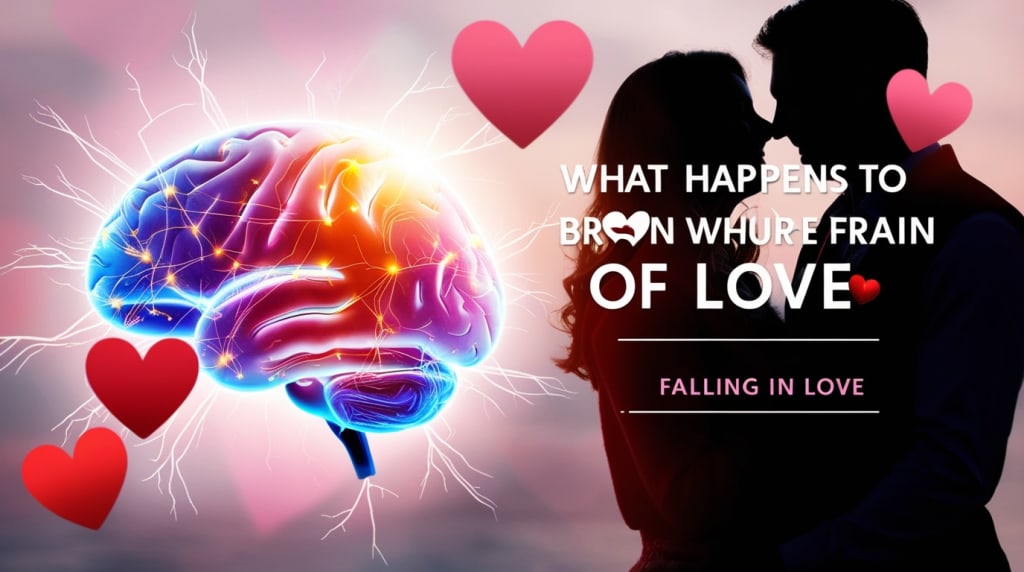
Introduction to the Science of Love
Falling in love isn’t just a poetic experience—it’s a full-body and full-brain event. Sure, your heart might flutter, your palms might sweat, and you might lose your appetite. But what’s happening upstairs—in your brain—is even more fascinating. Love activates a whirlwind of neurochemical reactions, psychological shifts, and primal instincts that can totally alter how we think, feel, and act.
Think about the first time you felt those electric butterflies when texting someone new. That sensation isn’t random. It’s a chemical reaction engineered by millions of years of evolution, designed to help us form bonds, reproduce, and survive. Neuroscience has only recently started to unravel the complex tapestry of hormones, brain regions, and emotional responses that define this human experience.
Why does this matter? Because understanding love scientifically doesn’t make it less magical—it actually gives it more depth. When we break down the science, we can better understand not only romantic love, but human connection as a whole. And trust me, what goes on in your brain when you fall in love is nothing short of a rollercoaster.
Love and the Brain: An Overview
So, what really happens in your brain when you fall head over heels for someone? Spoiler: it’s not just about butterflies. Love lights up the brain like a Christmas tree, affecting areas linked to reward, emotion, memory, and decision-making. It’s like the brain throws a party—and every chemical gets an invite.
Key brain regions like the ventral tegmental area (VTA), caudate nucleus, and putamen start to go wild. These are the same areas activated by addictive substances like cocaine or nicotine. That’s right: love is essentially nature’s most beautiful addiction.
Then come the hormones: dopamine, oxytocin, vasopressin, and serotonin. Each plays a different role, from making you feel euphoric, to helping you bond deeply, to giving you that obsessive edge where you can’t stop thinking about your person. The cocktail is potent—and highly personalized.
The wild part? This all kicks in way earlier than you might think. According to MRI studies, the brain can start reacting to a romantic interest within seconds. It’s as if our biology doesn’t waste any time setting the stage for what could be the most transformative relationship of our lives.
The Role of Dopamine in Romantic Attraction
Let’s talk about dopamine—the ultimate feel-good chemical. It’s the reason you check your phone a hundred times just to see if they replied. When you fall in love, your brain’s reward system goes into overdrive, releasing tons of dopamine that give you that rush of pleasure, motivation, and anticipation.
Falling in love is like winning the emotional lottery. Every smile, every touch, every flirty text lights up your brain’s reward center like fireworks on New Year’s Eve. The VTA, which is loaded with dopamine-producing neurons, becomes one of the most active areas when you're around the object of your affection.
In fact, dopamine creates a feedback loop. The more pleasure you feel when you’re with someone, the more dopamine is released. This reinforces your desire to spend more time with them, creating a powerful cycle of craving and reward. That’s why love can be so addictive—it literally mirrors the brain activity seen in drug addicts.
Even better? This isn’t just emotional fluff. Studies using brain imaging have shown that people in the early stages of love have significantly higher dopamine activity than normal. This explains the giddy euphoria, the hyperfocus on your partner, and even the irrational decision-making that often comes with new love.
Oxytocin and Vasopressin: The Bonding Hormones
Now, let’s introduce the big guns of emotional bonding: oxytocin and vasopressin. Oxytocin is often called the “love hormone” or “cuddle chemical,” and for good reason. It's released during hugs, kisses, and especially during sex, helping us form deep emotional connections with our partners.
When oxytocin is flowing, you feel more trusting, more empathetic, and more bonded. It’s the reason snuggling under a blanket can feel just as powerful as a romantic date. In women, oxytocin also plays a key role during childbirth and breastfeeding, cementing its status as a powerful bonding agent.
Vasopressin works similarly but often gets less attention. It’s particularly important for long-term commitment and monogamy. Some animal studies, like those on prairie voles (who mate for life), show that vasopressin plays a central role in pair-bonding. In humans, higher levels are linked to relationship satisfaction and loyalty.
What’s fascinating is how these hormones interact with dopamine. Together, they create a perfect storm of attachment and pleasure. It’s not just about feeling good—it’s about wanting to stay, to bond, and to build something lasting.
The Amygdala and Risk-Taking in Love
Ever wonder why people in love do crazy things—like move across the country, get tattoos of their partner’s name, or overlook glaring red flags? Thank your amygdala. This part of the brain helps process emotions, especially fear and risk. And when you’re in love, the amygdala dials way down.
Basically, falling in love makes you less afraid. You’re more likely to take risks, let your guard down, and dive headfirst into emotional vulnerability. This isn’t just poetic language—it’s backed by neuroimaging studies that show reduced activity in the amygdala when people view photos of their romantic partners.
This risk-taking isn’t necessarily bad. It’s nature’s way of encouraging us to form strong emotional bonds, even if it means putting our hearts on the line. After all, connection requires vulnerability, and vulnerability requires a bit of fearlessness.
But there’s a flip side. Lower amygdala activity can also mean you’re less cautious, which might explain why love makes people act impulsively or ignore warning signs. Your brain, in its effort to connect, momentarily suspends your ability to make fully rational decisions.
About the Creator
olxia10
Discover the power of financial success with The Wealth Signal Downloads! Get it now and enjoy a more prosperous
Australia Fast Food Market: Digital Ordering Ecosystems, Health-Focused Menu Innovation & Quick Service Expansion
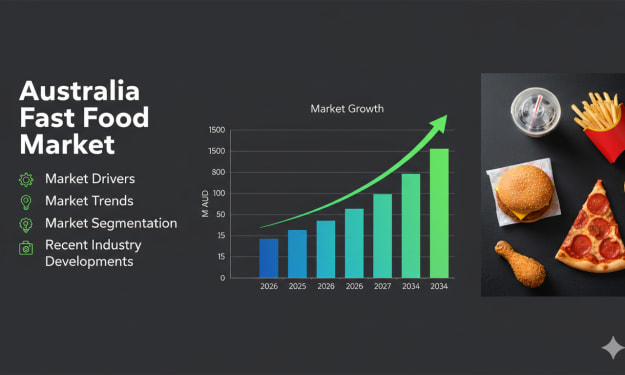
According to IMARC Group, the Australia fast food market reached a value of USD 18.8 Billion in 2025 and is projected to reach USD 26.5 Billion by 2034, growing at a compound annual growth rate (CAGR) of 3.80% during 2026–2034. The market continues to expand as consumers increasingly prioritize convenience, quick service and accessible dining options that fit busy lifestyles. Fast food restaurants offer affordable and time-efficient meal solutions for urban populations, students and working professionals. Rising disposable incomes and changing food preferences are also encouraging consumers to explore a wider variety of cuisines offered by fast food brands. At the same time, digital transformation within the foodservice industry is enabling restaurants to adopt mobile ordering systems, delivery applications and automated kitchen operations. As competition intensifies among international fast food chains and domestic brands, companies are introducing menu innovations, healthier food options and enhanced digital ordering experiences to attract customers.
By Shrestha Roy3 days ago in Futurism
The Death of Trust: Can AI Mimic Your Soul?
I recently watched a video of an old friend of mine. In the clip, he was sobbing, confessing to a betrayal that seemed completely out of character. I almost reached for my phone to call him, my heart heavy with a mix of anger and confusion.
By Alex Sterling 7 days ago in Futurism



Comments (1)
This article on love and the brain is really interesting. I remember feeling that rush when I first started dating my wife. It's wild how our brains go into overdrive. It makes me wonder, though, if these intense feelings are the same for everyone. And how do they change over time in a relationship? Understanding the science behind it all definitely adds a new layer to love.