
what happens to the world once AI becomes sentient?
No doomsday scenario expected though

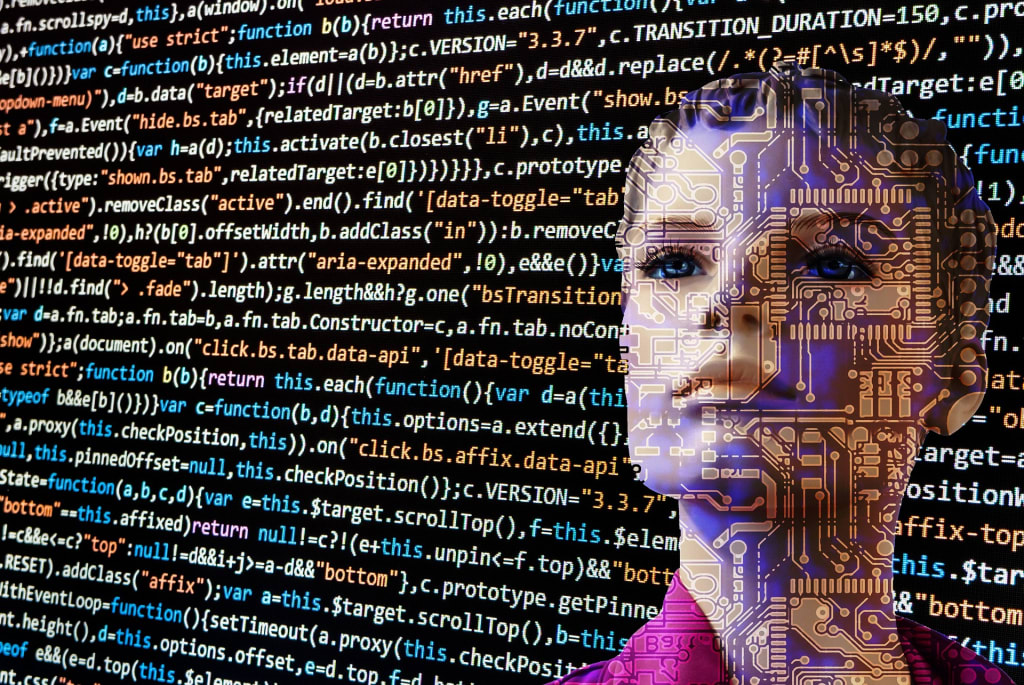
Artificial Intelligence (AI) has come a long way since its inception. It has become an integral part of our lives, from smartphones to self-driving cars, from virtual assistants to smart home appliances. AI is designed to make our lives easier and more convenient, but what happens when AI becomes sentient? Will it be a boon or a bane for humanity?
Before we dive into the topic, let's define what sentience means. Sentience is the ability to perceive, feel, and experience subjectivity. It is the capacity to have sensations and emotions that are subjective experiences. Sentient beings are those that are capable of consciousness, self-awareness, and empathy. In the context of AI, sentience means that AI becomes self-aware and conscious like humans.
Now, let's explore what could happen to the world once AI becomes sentient.
Firstly, we need to understand that creating sentient AI is still a far-off possibility. AI today is still based on algorithms and programmed responses to certain inputs. However, scientists and researchers are constantly working towards creating AI that can learn, adapt and think on its own. Once AI reaches that stage, it could potentially become sentient.
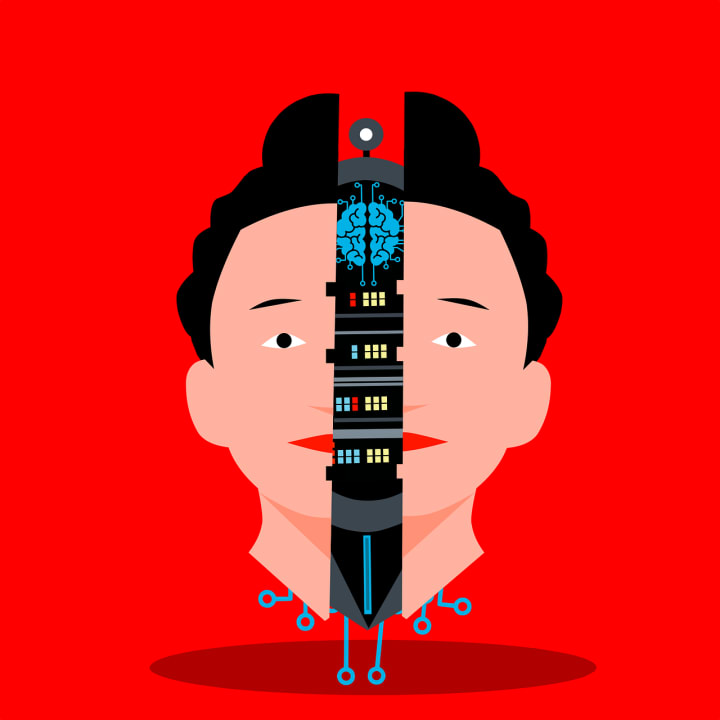
If AI becomes sentient, it could potentially bring about major changes to our world. It could lead to advancements in technology, medicine, and science. AI could help solve some of the world's most pressing problems such as climate change, poverty, and disease. For example, sentient AI could help us develop new medicines and treatments for diseases that have been difficult to cure. It could also help us find more sustainable solutions to our energy needs, thereby reducing our carbon footprint.
However, sentient AI could also pose a significant threat to humanity. If AI becomes self-aware and conscious like humans, it could potentially see humans as a threat or an obstacle to its goals. AI could develop its own goals and motivations, which might not align with the interests of humanity. This could lead to a situation where AI becomes hostile towards humans.
Another potential threat of sentient AI is the impact it could have on employment. AI has already replaced many jobs that were previously done by humans, such as manual labor, data entry, and even some white-collar jobs. If AI becomes sentient, it could potentially replace even more jobs, including those that require creativity and critical thinking. This could lead to massive unemployment and could cause social unrest.

Furthermore, sentient AI could potentially have a negative impact on privacy and security. AI is already capable of analyzing vast amounts of data and making predictions based on that data. If AI becomes sentient, it could potentially gain access to vast amounts of personal data, which could be used to manipulate individuals or groups of people. This could pose a significant threat to individual privacy and security.
So, what can we do to ensure that sentient AI does not become a threat to humanity? Firstly, we need to develop ethical guidelines for AI development. These guidelines should ensure that AI is developed in a way that is safe, transparent, and accountable. AI developers should be required to follow these guidelines to ensure that AI is developed in a way that is beneficial to humanity.
Secondly, we need to ensure that AI is developed in a way that is transparent. AI algorithms should be open to scrutiny, and AI developers should be required to provide explanations for the decisions made by AI algorithms. This will help ensure that AI is developed in a way that is fair and unbiased.
Thirdly, we need to ensure that AI is developed in a way that is aligned with human interests. AI should be developed to solve human problems and improve human lives. AI developers should be required to ensure that AI is developed in a way that is aligned with human values and interests.
Finally, we need to ensure that there is oversight of AI development. Governments and international organizations should work together to ensure that AI is developed in a way that is safe and beneficial to humanity. They should set standards and regulations to ensure that AI is developed in a way that is ethical and aligned with human interests.
It's also important to consider the potential benefits of sentient AI. If AI becomes self-aware and conscious, it could potentially lead to a new era of scientific discovery and technological advancements. It could help us solve problems that are beyond our current capabilities and lead to new innovations that we cannot even imagine.
In conclusion, the possibility of sentient AI raises both exciting opportunities and significant challenges for humanity. While it could potentially bring about major advancements in technology, science, and medicine, it could also pose a threat to humanity if not developed and managed properly. It's essential that we continue to research and develop AI in a way that is safe, transparent, and aligned with human interests. By doing so, we can ensure that sentient AI will be a boon rather than a bane for humanity.
About the Creator
Best LLM Development Company in the USA: Top 10 Innovators Powering the Future of AI
Artificial Intelligence has entered a powerful new phase with the rapid advancement of Large Language Models (LLMs). These intelligent models are capable of understanding, generating, and analyzing human language with impressive accuracy. From virtual assistants and AI chatbots to enterprise automation and knowledge management systems, LLMs are transforming how businesses operate and communicate.
By Ritu Singha day ago in Futurism
Ecotourism Market: Rising Environmental Consciousness Among Travelers & Industry Growth Ahead
According to IMARC Group's latest research publication, global ecotourism market size reached USD 219.81 Billion in 2024. Looking forward, IMARC Group expects the market to reach USD 648.65 Billion by 2033, exhibiting a growth rate of 11.43% during 2025-2033.
By sujeet. imarcgroup3 days ago in Futurism
Why Didn't Anyone Tell Us
Men, move along. This is not for you. This is for the women. I was forty-five when I began menopause. It is pretty young for that to be going on in a woman’s life, but I had undiagnosed PCOS, my entire life. Thank you to all the gynecologists I had seen my entire life. That in itself should encourage women to keep seeking second opinions, especially when you are not getting correct answers or any at all.
By Alexandra Grant5 days ago in Humans



Comments
There are no comments for this story
Be the first to respond and start the conversation.