
Is 3D printing rocket science?
This innovative technology is well within the grasp of most hobbyists


3D printing is a fascinating and innovative technology that has taken the world by storm. From hobbyists to large-scale manufacturers, everyone is finding new and exciting ways to use 3D printers. However, many people still believe that 3D printing is only for experts and rocket scientists. In this article, we will explore how 3D printing is not rocket science and how anyone can get started with it.
First, let's understand what 3D printing is. 3D printing is a process of creating physical objects from digital designs. The process involves layering materials, such as plastics or metals, on top of each other until the final object is formed. The process is also known as additive manufacturing, as it adds material layer by layer until the final product is complete.
Now, let's explore why 3D printing is not rocket science. One of the biggest misconceptions about 3D printing is that it requires a lot of technical knowledge and expertise. While there is some learning curve involved, it's not as difficult as people think. There are a lot of resources available online that can help you get started with 3D printing. There are many online communities and forums where you can ask for help and get advice from other 3D printing enthusiasts.
Another reason why 3D printing is not rocket science is that it's very user-friendly. 3D printers are becoming more accessible to everyone, and manufacturers are creating machines that are easy to use. The process of 3D printing involves three simple steps: designing, slicing, and printing. The first step involves creating a digital design of the object you want to print. This can be done using a 3D modeling software, such as Tinkercad or Fusion 360. The second step involves slicing the digital design into layers, so the printer knows how to print the object. The third step involves printing the object using the 3D printer.

There are also many online resources that can help you with the 3D printing process. There are numerous 3D printing communities and forums where you can ask for help and get advice from other 3D printing enthusiasts. Additionally, many 3D printing manufacturers offer customer support and tutorials to help you get started.
Another reason why 3D printing is not rocket science is that it's affordable. 3D printers are becoming more accessible, and the cost of 3D printers is decreasing. You can find a decent 3D printer for under $500, and some models are even cheaper. Additionally, the cost of 3D printing materials is also decreasing. You can find a roll of filament for around $20, which can last for multiple prints.
Now that we've discussed why 3D printing is not rocket science let's explore some of the benefits of 3D printing. 3D printing has many benefits, and one of the biggest benefits is the ability to create customized objects. With 3D printing, you can create objects that are personalized to your needs. For example, you can create a phone case that fits your phone perfectly or create a custom jewelry design. You can also create replacement parts for appliances, toys, or other objects that are no longer available.
3D printing also allows for rapid prototyping. With traditional manufacturing processes, it can take weeks or even months to create a prototype. With 3D printing, you can create a prototype in a matter of hours or days. This allows you to test your design and make any necessary changes before committing to a full production run.
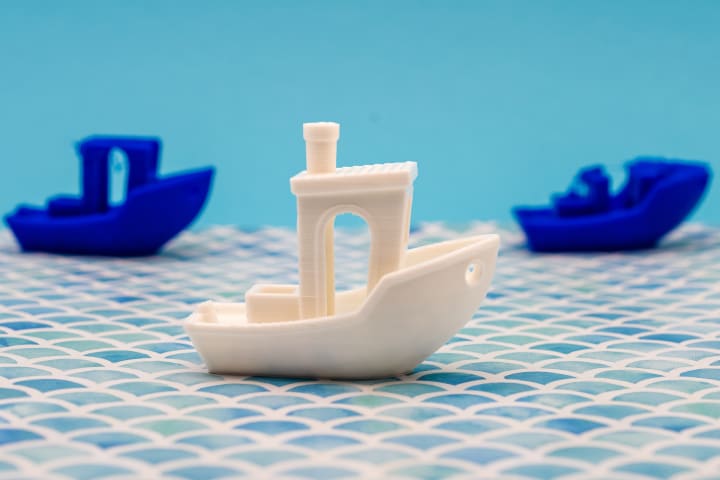
3D printing is also environmentally friendly. With traditional manufacturing processes, there is a lot of waste created during production. With 3D printing, there is little to no waste created. Additionally, 3D printing allows for the creation of
continue
complex geometries that cannot be produced with traditional manufacturing processes. This means that less material is required to produce the same object, reducing the environmental impact of manufacturing.

Another benefit of 3D printing is the ability to create objects with intricate details. Traditional manufacturing processes, such as injection molding, can be limited in their ability to create detailed objects. With 3D printing, intricate details can be easily incorporated into the design. This is particularly useful in fields such as jewelry design and dentistry, where intricate details are essential.
In addition to the benefits mentioned above, 3D printing has also revolutionized the field of education. With 3D printing, students can learn about design and engineering in a hands-on way. They can create their own designs and print them out, allowing them to see their designs come to life. This can be particularly useful in STEM education, where students can learn about math, science, and engineering in a fun and engaging way.
Ayone can get started with it. With the help of online resources, easy-to-use machines, and affordable materials, 3D printing is becoming more accessible to everyone. The benefits of 3D printing, such as the ability to create customized objects, rapid prototyping, and environmental friendliness, are just a few reasons why it's a technology that's here to stay. Whether you're a hobbyist, educator, or professional, 3D printing has something to offer everyone. So why not give it a try and see where it takes you?
About the Creator
Book Tasting Cafe
I’m always looking for ways to get my students interested in new books. When I received the new books this year, I decided to make introducing them to the students a little more fun. Normally I just pull them from the boxes, process them, and put them on display. This time I decided to start with unboxing videos. While the video of the unboxing of non-fiction books was too long to post online, I was able to post the videos for the other books so the students could see them. I also posted them on my Instagram.
By Reb Kreyling7 days ago in Education


Comments
There are no comments for this story
Be the first to respond and start the conversation.