


Introduction
Virtuix, the pioneer of VR treadmills, originally set out to create a consumer VR treadmill back in 2013, well before the first wave of consumer VR headsets hit the market in 2016. The core idea was to allow users to run in any direction on a treadmill while wearing a VR headset, providing an immersive virtual reality experience. However, the challenges of cost, complexity, and limited movement capabilities made it difficult to sell the device to mainstream consumers. As a result, Virtuix pivoted towards the out-of-home VR attraction space, leading to the creation of the Omni Arena, a multiplayer VR attraction that gained popularity in entertainment spaces across the US.
Virtuix Omni One: An All-in-One Approach
Despite the success of the Omni Arena, Virtuix remained committed to bringing a VR treadmill to consumers. Enter the Virtuix Omni One, an all-in-one system that combines a newly designed VR treadmill, a VR headset (Pico Neo 3), and access to a library of custom-made content. By focusing on the overall user experience, Virtuix aimed to address key issues faced by its original treadmill and ensure compatibility with modern VR content.
Redesigning the Treadmill
The original Omni treadmill featured a 'ring support' design, limiting players' range of motion and making it unsuitable for many VR games that required crouching or reaching down. To overcome this, the Omni One underwent a complete redesign. It now uses an arm support design that stays behind the user, allowing full range of motion while running in any direction. The arm doesn't actively hold the user upright but prevents them from running off the edge of the treadmill.
Addressing Complexity and Compatibility
Virtuix recognized the complexities of existing PC VR systems and the inconvenience of dealing with cables. To make Omni One more user-friendly, the company paired the treadmill with a standalone VR headset (Pico Neo 3) equipped with a custom-made Omni storefront for VR content designed or adapted specifically for the treadmill. Virtuix also developed its 'first steps' experience to introduce users to VR and familiarize them with the treadmill and controllers.
Pricing and Financing
Virtuix aimed to make the Omni One affordable and accessible to consumers. Priced at $2,600 (including the Pico Neo 3 headset), the treadmill itself costs $1,900, comparable to high-end exercise treadmills. Virtuix also offered a financing option of $65 per month. Moreover, through a crowd-investment campaign, backers received a 20% discount on the Omni One.
Omni One Hands-On Experience
In a hands-on experience with Omni One at Virtuix's Austin headquarters, the user found it functionally comparable to walking and running, but with the added benefit of an immersive VR environment. The arm swinging behind during turns took some getting used to but became part of the muscle memory over time. Virtuix acknowledged the importance of content in determining Omni One's success and promised a range of experiences with varying levels of exertion.
Conclusion
Virtuix's journey from the original Omni treadmill to the all-in-one Omni One reflects its dedication to providing an immersive VR experience. While challenges were faced in creating a consumer-friendly VR treadmill, the company's pivots into the out-of-home VR attraction space and its focus on the overall user experience have been commendable. With an affordable price point and thoughtfully designed content, Virtuix aims to make Omni One a successful product that brings users closer to the promise of virtual reality. The product's general availability is expected early next year, and the success of Omni One will ultimately depend on the richness and variety of content offered to consumers.
About the Creator
Random Things
Just posting about current random things.
Keep reading
More stories from Random Things and writers in Futurism and other communities.
eXtreme Gammon: The AI That Revolutionized Backgammon Faces an Uncertain Future
For five millennia, humans have been engaged in the timeless pursuit of backgammon, a game that has left its historical mark across the Middle East. Archaeological discoveries, including silver boards and ivory dice found in ancient tombs, have evidenced the game's enduring popularity. Yet, for approximately 4,950 years, our mastery of backgammon relied on intuition and untested wisdom. However, as time progressed, astute gamblers began recording positions, delving into mathematical intricacies, and unraveling the complexities of the game, thus elevating it to new heights. Then, the age of artificial neural networks arrived, and computer scientists introduced the game to these flawless and fearless calculators, renowned for their pattern recognition prowess. The result was a metamorphosis in the backgammon landscape, propelling it into a swashbuckling era of computational excellence, forever altering its course within the pyramids of gaming history.
By Random Things 3 years ago in Futurism
On-Board Charger Market Outlook: Electric Vehicle Charging Innovation and Growth Opportunities
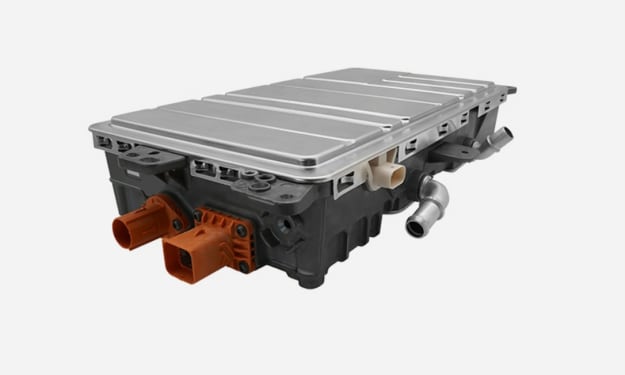
According to IMARC Group's latest research publication, The global on-board charger market size was valued at USD 8.8 Billion in 2025. Looking forward, IMARC Group estimates the market to reach USD 31.4 Billion by 2034, exhibiting a CAGR of 15.13% from 2026-2034.
By James Whitman5 days ago in Futurism
Solar Shading Systems Market: Energy-Efficient Buildings, Smart Facades & Industry Growth Outlook
According to IMARC Group's latest research publication, The global solar shading systems market size reached USD 12.5 Billion in 2025. Looking forward, IMARC Group expects the market to reach USD 16.2 Billion by 2034, exhibiting a growth rate (CAGR) of 2.85% during 2026-2034
By sujeet. imarcgroup5 days ago in Futurism



Comments
There are no comments for this story
Be the first to respond and start the conversation.