
Virtual Reality ADDICTION: Understanding the Risks and Solutions
"Is Virtual Reality Becoming Too Real?"

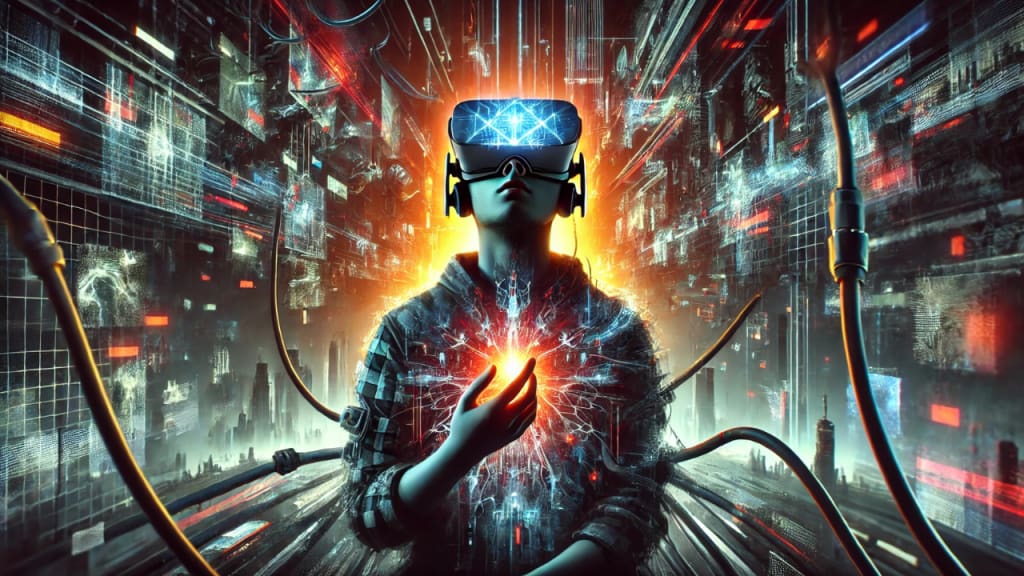
Virtual Reality (VR) has redefined entertainment, education, and work. However, as this technology becomes more immersive, the risk of addiction has emerged as a growing concern. People may become so absorbed in these digital worlds that they neglect real-life obligations, relationships, and well-being.
This article explores the causes, symptoms, and potential solutions to virtual reality addiction, shedding light on how users can enjoy VR responsibly while maintaining a healthy balance between their virtual and physical lives.
Introduction to Virtual Reality Addiction
Virtual reality transports users into captivating, lifelike environments, making it an extraordinary tool for gaming, learning, and social interaction. But what happens when the line between the virtual and real world blurs? Virtual reality addiction can disrupt daily life, relationships, and mental health, leading to isolation, neglect of physical health, and a distorted sense of reality. By understanding its effects, we can find ways to harness VR’s benefits while minimizing its risks, ensuring that users enjoy a healthy, balanced relationship with this immersive technology.
What is Virtual Reality Addiction?
Virtual reality addiction occurs when individuals spend excessive time in virtual environments, leading to neglect of real-world responsibilities. Unlike traditional screen addiction, VR’s immersive nature creates an alternate reality that feels more engaging and rewarding.
Signs of Virtual Reality Addiction
1. Excessive Use
Spending hours in VR daily, often at the expense of work or personal obligations.
2. Social Withdrawal
Avoiding friends and family to spend more time in virtual worlds.
3. Neglecting Responsibilities
Missing deadlines or failing to meet basic needs due to prolonged VR sessions.
4. Emotional Dependence
Feeling anxious, restless, or irritable when unable to access VR.
5. Health Issues
Experiencing physical discomfort like eye strain, headaches, or fatigue from extended VR use.
VR - Humanity's Next Addiction
Why Does Virtual Reality Addiction Happen?
1. Escapism
VR provides a refuge from stress, making users more likely to overindulge.
2. Reward Systems
VR games and apps often use achievements and rewards to keep users engaged.
3. Immersion
The realistic environments and interactive features make it easy to lose track of time.
Impacts of Virtual Reality Addiction
1. Mental Health Issues
Increased risk of anxiety, depression, and social isolation.
2. Physical Health Problems
Reduced physical activity, leading to issues like weight gain and poor posture.
3. Relationship Strain
Conflict with loved ones due to excessive VR use.
4. Academic or Career Decline
Neglecting studies or work responsibilities for VR experiences.
How to Prevent and Manage VR Addiction
1. Set Time Limits
Use timers to regulate VR sessions and maintain a healthy balance.
2. Prioritize Real-World Activities
Schedule time for hobbies, exercise, and social interaction outside VR.
3. Monitor Usage
Track time spent in VR and identify patterns of overuse.
4. Seek Professional Help
Reach out to therapists or support groups specializing in tech addiction if necessary.
5. Encourage Open Communication
Talk to friends or family about VR use to maintain accountability.
The Future of VR and Responsible Usage
As VR technology advances, it will become even more engaging and widespread. Developers, users, and policymakers must work together to:
- Create built-in usage trackers and reminders.
- Develop educational campaigns about healthy VR habits.
- Encourage the integration of VR-free zones in daily life.
With these measures, users can enjoy the benefits of VR without falling into the trap of addiction.
Conclusion
Virtual reality offers endless possibilities, from immersive gaming to groundbreaking training simulations. However, the risk of addiction is a serious concern that requires awareness and proactive management. By understanding its signs and causes, we can enjoy VR as a tool for enrichment rather than escapism.
With the right balance, VR can remain a gateway to innovation and adventure without compromising our well-being.
About the Creator
Keep reading
More stories from Marveline Merab and writers in Futurism and other communities.
Nanotechnology Applications: Transforming the Future
Nanotechnology is revolutionizing industries by manipulating matter at the molecular and atomic levels. This innovative field involves creating and utilizing materials and devices on a nanoscale, typically between 1 and 100 nanometers. From healthcare to electronics, nanotechnology has countless applications that are shaping our world. This article explores the most impactful uses of nanotechnology and its potential for the future.
By Marveline Merababout a year ago in Futurism
Agentic AI For Financial Services Market USD 80.9 Billion By 2034
Agentic AI for Financial Services Market Overview The global Agentic AI for Financial Services Market is projected to reach approximately USD 80.9 Billion by 2034, rising from nearly USD 2.1 Billion in 2024. This reflects a remarkable CAGR of 43.8% during the forecast period from 2025 to 2034. Market expansion is strongly supported by the increasing integration of autonomous artificial intelligence systems within financial institutions. Banks, insurance companies, and fintech firms are deploying agentic AI models capable of independently executing tasks such as risk assessment, customer interaction, fraud detection, and financial decision support.
By Roberto Crum5 days ago in Futurism
Stanislav Kondrashov Oligarch Series: Coordinated Energy Leadership in the Next Phase of the Transition
The transformation of global energy systems is moving into a more structured phase. Early discussions around the transition focused on technological breakthroughs and emerging solutions. Today, the emphasis is shifting toward coordination — how large networks of energy production, distribution, and storage are organised and guided over time.
By Stanislav Kondrashov6 days ago in Futurism




Comments
There are no comments for this story
Be the first to respond and start the conversation.