
Nanotechnology Applications: Transforming the Future
Discover the invisible world that’s reshaping medicine, electronics, and our future—one atom at a time.

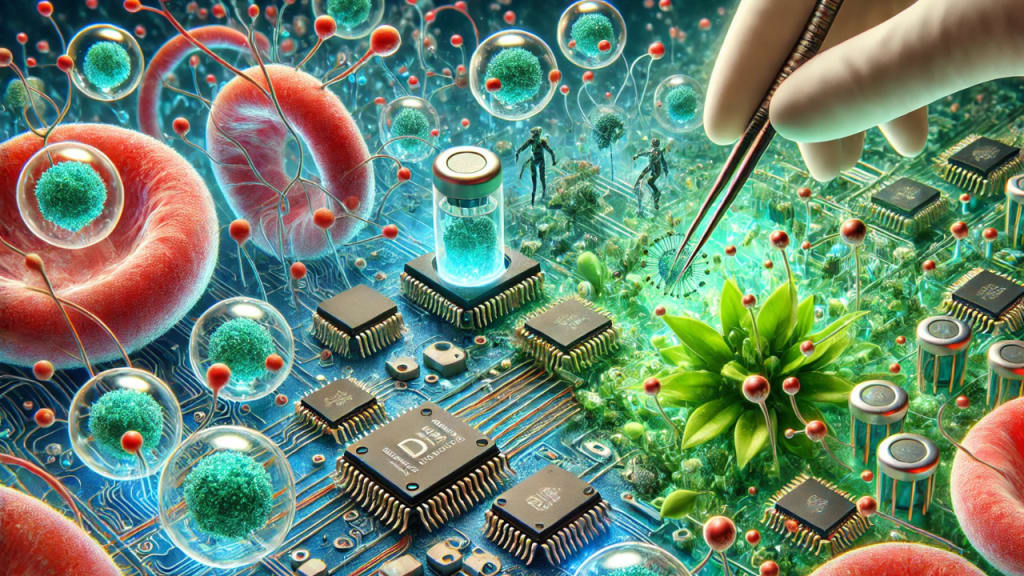
Nanotechnology is revolutionizing industries by manipulating matter at the molecular and atomic levels. This innovative field involves creating and utilizing materials and devices on a nanoscale, typically between 1 and 100 nanometers. From healthcare to electronics, nanotechnology has countless applications that are shaping our world. This article explores the most impactful uses of nanotechnology and its potential for the future.
Introduction to Nanotechnology Applications
Nanotechnology may sound futuristic, but it is already a part of everyday life. It enhances products, improves medical treatments, and creates more sustainable solutions for global challenges. From strengthening materials to enabling precise drug delivery systems, nanotechnology is revolutionizing industries like electronics, agriculture, and energy. By understanding its applications, we can appreciate how nanotechnology drives progress across diverse sectors, paving the way for cleaner, more efficient technologies and better quality of life. This evolving field promises to solve complex issues and unlock untapped potential for future generations.
Key Applications of Nanotechnology
1. Medicine and Healthcare
Nanotechnology plays a vital role in modern medicine:
- Drug Delivery: Nanoparticles target specific cells, improving the effectiveness of treatments while minimizing side effects.
- Diagnostic Tools: Nano-based sensors detect diseases at early stages with unprecedented accuracy.
- Regenerative Medicine: Nanomaterials are used to create scaffolds for tissue repair and organ regeneration.
2. Electronics
Advancements in electronics owe much to nanotechnology:
- Smaller Devices: Nanoelectronics enable the production of compact, high-performance gadgets.
- Better Displays: Quantum dots enhance color accuracy and brightness in screens.
- Efficient Batteries: Nanomaterials improve energy storage and charging times for batteries.
3. Environmental Applications
Nanotechnology contributes to sustainability efforts:
- Water Purification: Nano-filters remove contaminants and pathogens from water.
- Air Quality Improvement: Nano-coatings trap pollutants, reducing harmful emissions.
- Renewable Energy: Nanomaterials enhance the efficiency of solar panels and wind turbines.
4. Agriculture
Nanotechnology boosts agricultural productivity:
- Precision Farming: Nano-sensors monitor soil conditions, ensuring efficient resource use.
- Pest Control: Nanoparticles deliver targeted pest control, reducing the need for chemical pesticides.
- Crop Enhancement: Nanomaterials improve seed germination and plant growth.
Nanotechnology: A New Frontier
5. Construction and Materials
The construction industry benefits from durable and innovative materials:
- Stronger Structures: Nanocomposites increase the strength and durability of building materials.
- Self-Cleaning Surfaces: Nano-coatings repel dirt and water, reducing maintenance costs.
- Thermal Insulation: Nanomaterials improve energy efficiency in buildings.
6. Energy Sector
Nanotechnology is reshaping energy production and storage:
- Fuel Cells: Nano-catalysts enhance fuel efficiency and reduce emissions.
- Hydrogen Storage: Nanostructures make hydrogen storage safer and more effective.
- Energy Harvesting: Nanogenerators convert mechanical energy into electricity for wearable devices.
Future Possibilities
As research advances, nanotechnology may unlock even more possibilities:
- Space Exploration: Nanomaterials can create lightweight, durable equipment for space missions.
- Cancer Treatment: Nano-therapies may lead to non-invasive and highly effective cancer treatments.
- Artificial Intelligence: Nanotechnology enhances the development of compact, efficient AI chips.
The potential applications of nanotechnology seem limitless, offering solutions to challenges we haven’t yet encountered.
Ethical and Safety Considerations
With great power comes great responsibility. Nanotechnology also raises important questions:
- Health Risks: Nanoparticles may interact with the human body in unforeseen ways, requiring thorough safety testing.
- Environmental Impact: How do we manage the disposal of nano-based products to avoid pollution?
- Equitable Access: How can we ensure that nanotechnology benefits are accessible to all?
Addressing these concerns is critical to harnessing nanotechnology responsibly.
Conclusion
Nanotechnology applications are shaping the future by improving lives, driving innovation, and addressing global challenges. From medicine and electronics to sustainability and agriculture, its impact is profound and far-reaching. As this technology evolves, it promises even greater advancements, paving the way for a brighter, more sustainable future. Nanotechnology's potential extends to environmental protection, cleaner energy solutions, and revolutionary advances in computing, making it one of the most exciting frontiers in modern science.
Nanotechnology is not just a field of science—it’s a transformative force, redefining what’s possible and offering solutions to some of humanity's most pressing issues.
About the Creator
Keep reading
More stories from Marveline Merab and writers in Futurism and other communities.
Mars Colonization Challenges: The Journey to a New Frontier
Mars colonization has fascinated humanity for decades, representing both an incredible opportunity and a formidable challenge. While the idea of settling on the Red Planet promises a new chapter for human civilization, achieving this dream requires overcoming numerous obstacles. This article explores the major challenges of Mars colonization, providing a detailed yet clear understanding of the hurdles scientists and astronauts must face to make this vision a reality.
By Marveline Merababout a year ago in Futurism
Honey Market Worth USD 15.4 Billion by 2033 at 5.2% CAGR
Overview The Global Honey Market is on a robust growth path, projected to expand from USD 9.3 billion in 2023 to approximately USD 15.4 billion by 2033. This represents a steady compound annual growth rate (CAGR) of 5.2% over the forecast period.
By Hayden Kulasa day ago in Futurism
Stablecoins Powering the Next Financial Revolution
In a world where digital transformation is accelerating faster than ever, financial systems are undergoing a quiet but powerful revolution. Businesses, startups, and institutions are searching for ways to move money faster, reduce costs, and eliminate the delays of traditional banking. The answer to this growing demand lies in an innovation that combines the reliability of traditional currencies with the speed of blockchain technology—stablecoins.
By Ritu Singh4 days ago in Futurism




Comments
There are no comments for this story
Be the first to respond and start the conversation.