
Unlocking Devices with Your Fingerprint
The Fascinating World of Biometrics
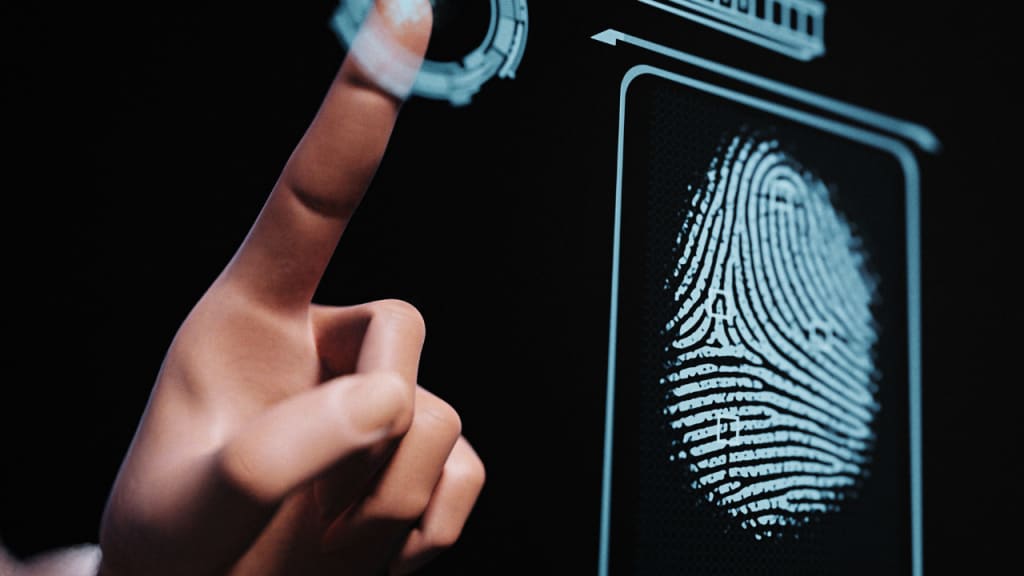
In today's digital age, security and convenience are paramount concerns for individuals and organizations alike. Traditional methods of authentication, such as passwords and PINs, are increasingly vulnerable to cyber threats. However, a revolutionary technology called biometrics is transforming the way we verify our identities. One of the most intriguing and widely adopted forms of biometrics is fingerprint recognition. In this article, we delve into the fascinating world of biometrics and explore how fingerprint authentication is reshaping our digital landscape.
The Rise of Biometrics and Fingerprint Authentication
Biometric technology, encompassing unique physical and behavioral characteristics, offers a highly secure and convenient means of identification. Among the various biometric modalities, fingerprint recognition has emerged as a standout contender due to its accuracy, reliability, and widespread adoption. With a single touch, our fingerprints provide an immutable key that unlocks a myriad of devices and services.
The Science Behind Fingerprint Recognition
The human fingerprint is an intricate pattern of ridges and valleys unique to each individual. Advancements in image processing and pattern recognition algorithms enable biometric systems to capture and analyze these distinct patterns. Through the use of specialized sensors, devices can create a digital representation of fingerprints, commonly known as fingerprint templates.
From Smartphones to High-Security Facilities: Fingerprint Authentication in Action
Fingerprint authentication has become ubiquitous in modern-day smartphones, offering a seamless and secure way to unlock our devices, authorize transactions, and protect our personal information. Beyond smartphones, fingerprint recognition technology is finding applications in a range of industries. High-security facilities, banking institutions, and even automobiles are incorporating fingerprint authentication to enhance access control and prevent unauthorized use.
Benefits and Challenges of Fingerprint Recognition
The adoption of fingerprint recognition brings forth numerous benefits. Firstly, it eliminates the need to remember complex passwords, reducing the risk of data breaches resulting from weak credentials. Secondly, fingerprint authentication provides an additional layer of security as fingerprints are inherently unique. However, challenges such as false acceptance and false rejection rates, spoofing attempts, and concerns regarding privacy and data protection still need to be addressed.
False Acceptance and False Rejection Rates:
Fingerprint recognition systems aim to strike a balance between security and user convenience. False acceptance occurs when the system incorrectly matches an unauthorized fingerprint, while false rejection happens when it fails to recognize a valid fingerprint. Researchers are continually refining algorithms and sensor technologies to minimize these rates, ensuring accurate and reliable authentication.
Privacy and Data Protection:
As biometric data, including fingerprint templates, is highly personal and unique, privacy concerns come to the forefront. Strict regulations and standards are in place to protect the storage, usage, and sharing of biometric information. Encryption methods, secure storage mechanisms, and transparent data handling practices ensure the privacy and confidentiality of users' biometric data.
Spoofing Attempts and Anti-Spoofing Techniques:
Biometric systems face the risk of spoofing, where adversaries try to deceive the system using artificial replicas of fingerprints. To counter this threat, anti-spoofing techniques are employed, such as liveness detection. This technology verifies the vitality of a fingerprint, differentiating between live and fake fingerprints, thereby enhancing security.
The Future of Fingerprint Authentication and Biometrics
As technology continues to evolve, so does the field of biometrics. Researchers are exploring innovative approaches, such as vein recognition, palm print recognition, and even facial recognition, to further enhance the accuracy and security of biometric systems. Additionally, the integration of artificial intelligence and machine learning algorithms promises to refine the efficiency and robustness of fingerprint authentication.
Fingerprint recognition has revolutionized the way we interact with technology, offering a secure and convenient means of authentication. As our reliance on digital devices and services grows, the demand for reliable identity verification methods becomes increasingly vital. With biometrics at the forefront, the future holds exciting possibilities for fingerprint authentication and other emerging biometric technologies. As we unlock the potential of biometrics, our digital world becomes a safer and more accessible place for all.
About the Creator
Keep reading
More stories from Nikki Love and writers in Futurism and other communities.
The Secrets of Hacking Exposed
In today's interconnected world, the threat of hacking looms large over individuals and organizations alike. Cybersecurity breaches can lead to data leaks, financial losses, and reputational damage. Understanding the secrets of hacking is crucial to fortify your digital fortress and protect yourself from malicious attacks. In this article, we will delve into the intriguing world of hacking, uncovering its inner workings while providing actionable tips to safeguard your digital presence.
By Nikki Love3 years ago in Futurism
APAC Creator Economy Market to hit USD 390.7 Billion By 2034
APAC Creator Economy Market Overview The Asia Pacific Creator Economy Market is projected to reach approximately USD 390.7 Billion by 2034, increasing from USD 41.6 Billion in 2024, reflecting a strong CAGR of 25.1% during the forecast period from 2025 to 2034.
By Roberto Crumabout 6 hours ago in Futurism
The Refactor Command in Claude: Code 8 Underrated Tricks I Wish I Knew on Day One
I remember the exact moment I realized I’d been using Claude Code all wrong. It was 1:13 a.m., my third cup of coffee was going cold, and I was staring at a function so bloated it should’ve come with its own zip code. I typed a desperate prompt into Claude about “cleaning this up” and expected the usual: some polite suggestions, maybe a renamed variable or two.
By abualyaanart3 days ago in Futurism
📢 Raise Your Voice Thread: 03/05/2026
Our “Raise Your Voice Threads” are hosted most alternating Thursdays at 12PM ET to offer creators more avenues to uncover exceptional stories on Vocal. As we are continuously searching for fresh creators and inspiring stories, this thread provides an opportunity to exchange and discuss the stories that have moved and motivated us on Vocal.
By Raise Your Voice by Vocal6 days ago in Resources

Comments
There are no comments for this story
Be the first to respond and start the conversation.