
Unearthing the Future with Digital Farming
Digital Farming

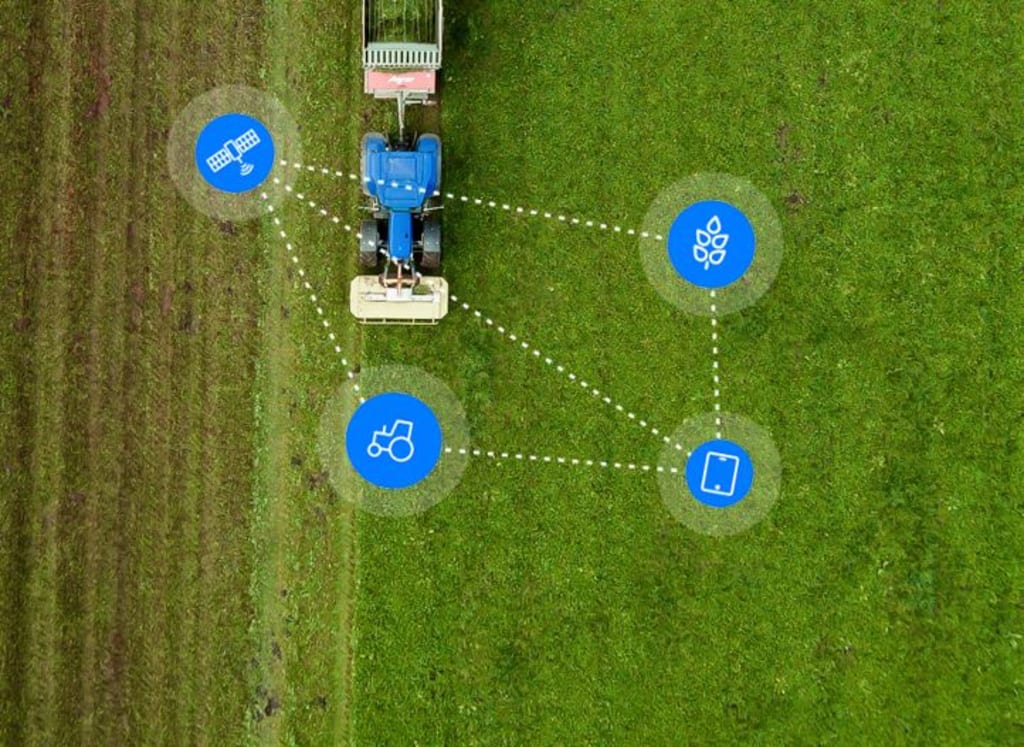
As the world population continues to grow, so does the demand for food and agricultural products. In the face of climate change, dwindling natural resources, and the need for sustainable practices, traditional farming methods are being challenged to meet the demands of the modern age. In this context, digital farming emerges as a revolutionary solution, combining technology and agriculture to address the challenges of the 21st century. This article explores the concept of digital farming, its benefits, and the transformative potential it holds for the future of agriculture.
What is Digital Farming?
Digital farming, also known as precision agriculture or smart farming, is an innovative approach that leverages advanced technologies such as the Internet of Things (IoT), artificial intelligence (AI), drones, and data analytics to optimize various aspects of agricultural practices. Unlike conventional farming, where decisions are often based on intuition and experience, digital farming relies on data-driven insights to enable more informed and precise decision-making.
The Pillars of Digital Farming
IoT and Sensor Technology: One of the cornerstones of digital farming is the use of IoT devices and sensors deployed throughout the farm. These sensors monitor various parameters such as soil moisture, temperature, humidity, and nutrient levels. By collecting real-time data, farmers gain valuable insights into the condition of their crops and can make informed decisions on irrigation, fertilization, and pest control.
Data Analytics and AI: The massive amounts of data generated by IoT sensors are processed using advanced data analytics and AI algorithms. Machine learning models can identify patterns and trends that are not apparent to the human eye, enabling predictive analysis and proactive measures to optimize crop yields and resource utilization.
Drones and Robotics: Drones equipped with cameras and sensors offer a bird's-eye view of the farm, allowing farmers to monitor large areas quickly and efficiently. Additionally, agricultural drones can perform various tasks, such as crop spraying, planting, and monitoring crop health, saving time and labor.
Farm Management Software: Digital farming often involves using farm management software platforms that integrate data from different sources and provide a centralized dashboard for farmers. These platforms facilitate better planning, resource allocation, and performance tracking, ultimately leading to improved efficiency and productivity.
The Advantages of Digital Farming
Increased Efficiency: Digital farming optimizes resource utilization, reducing wastage of water, fertilizers, and pesticides. By applying these inputs precisely where and when needed, farmers can achieve higher crop yields while minimizing costs.
Sustainable Practices: With climate change posing significant challenges to agriculture, digital farming offers ways to adopt more sustainable practices. By understanding the specific needs of each plant and field, farmers can reduce the environmental impact of their activities.
Data-Driven Decision Making: Digital farming empowers farmers with data-backed insights, enabling them to make better decisions about planting, harvesting, and crop rotation. It also aids in early detection of potential issues, allowing for timely intervention and prevention of crop losses.
Labor and Time Savings: Automation through drones and robotics reduces the manual labor required for certain tasks, freeing up valuable time for farmers to focus on more strategic aspects of their operations.
Improved Traceability and Quality: Digital farming systems can track the entire lifecycle of a crop, from planting to harvesting, and even post-harvest storage and transportation. This traceability ensures better quality control and enhances the transparency of the supply chain.
Challenges and Limitations
While digital farming offers immense potential, it's not without its challenges and limitations. Some of the key issues include:
Cost of Implementation: Integrating digital farming technologies can require significant initial investment, which may be a barrier for small-scale farmers with limited financial resources.
Data Privacy and Security: As data becomes more crucial for decision-making, ensuring the privacy and security of farm data becomes paramount. Farmers need to be vigilant about protecting their sensitive information from potential cyber threats.
Digital Divide: In some regions, access to reliable internet connectivity may be limited, hindering the widespread adoption of digital farming technologies.
Education and Training: Farmers need proper training and education to understand and leverage digital farming tools effectively. Without adequate knowledge, they may not fully harness the benefits of these technologies.
Digital farming is a groundbreaking advancement that has the potential to revolutionize agriculture as we know it. By combining cutting-edge technology with traditional farming practices, it offers a pathway to address the challenges of feeding a growing global population sustainably. As technology continues to evolve, and more farmers embrace digital farming, we can look forward to an era of greater agricultural productivity, environmental responsibility, and food security. The future of farming is digital, and the possibilities are limitless.
About the Creator
Reynol Brennan
A small blogger who shares emotions, life, life insights, and short stories, and provides everyone with happiness, growth, and common sense of life.
Keep reading
More stories from Reynol Brennan and writers in Futurism and other communities.
Embrace the Future of Convenient and Connected Living!
In the digital age, technology has woven itself into every aspect of our lives, transforming the way we interact with the world around us. From smartphones to smart cities, the concept of connectivity has become ubiquitous. One area where technology has made significant strides is in our homes. Smart home innovations have emerged as a powerful trend, offering homeowners the ability to transform their living spaces into intelligent, connected environments. This essay explores the exciting world of smart home innovations, the benefits they offer, the technologies that drive them, potential challenges, and the profound impact they have on the future of living.
By Reynol Brennan3 years ago in Futurism
Agentic AI Workflows Market worth USD 227 Billion By 2034
Agentic AI Workflows Market Overview The Global Agentic AI Workflows Market is projected to reach approximately USD 227 Billion by 2034, increasing from USD 5.2 Billion in 2024, reflecting a strong CAGR of 45.8% during the forecast period from 2025 to 2034.
By Roberto Cruma day ago in Futurism
Australia IoT Sensors Market: Industrial IoT Adoption, 5G Connectivity & Smart Automation
According to IMARC Group, the Australia IoT sensors market reached a value of USD 708.1 Million in 2025 and is projected to reach USD 12,853.9 Million by 2034, growing at a compound annual growth rate (CAGR) of 38.00% during 2026–2034. The market is witnessing remarkable growth as businesses increasingly adopt connected technologies to enhance operational efficiency and data-driven decision-making. IoT sensors play a crucial role in collecting real-time data across industrial equipment, infrastructure systems and consumer devices. Rapid advancements in sensor technology have improved performance while reducing manufacturing costs, enabling broader deployment across industries. Additionally, the expansion of 5G networks across Australia is strengthening IoT connectivity by enabling faster data transmission and lower latency.
By Shrestha Roy3 days ago in Futurism


Comments
There are no comments for this story
Be the first to respond and start the conversation.