
Understanding Virtual Reality Conferencing
Learn how virtual reality conferencing tools enhance communication, collaboration, and remote meetings through immersive digital environments.


Virtual reality conferencing tools are immersive communication platforms that allow individuals to meet and collaborate inside digital environments. Unlike traditional video conferencing systems that rely on flat screens, virtual reality conferencing places participants within three dimensional spaces where they interact as avatars. This approach creates a stronger sense of presence and engagement, making remote communication feel more natural and interactive.
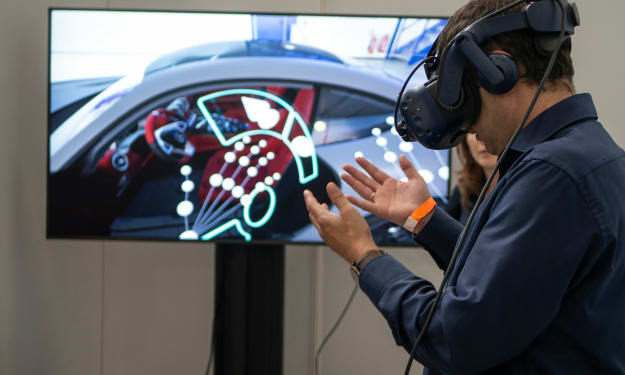
These tools typically require a virtual reality headset, compatible software, and a stable internet connection. Once connected, users enter shared virtual rooms designed for meetings, presentations, or collaborative work. Participants can move around the space, gesture, and interact with digital objects. This immersive experience distinguishes virtual reality conferencing from standard online meetings.
Understanding how virtual reality conferencing tools function is essential for organizations exploring innovative communication strategies. As remote work and global collaboration continue to expand, immersive platforms provide new ways to strengthen connection and productivity.
How Virtual Reality Conferencing Enhances Communication
Virtual reality conferencing enhances communication by simulating real world interaction within digital spaces. In traditional video meetings, participants are limited to speaking and viewing each other through small windows on a screen. In contrast, immersive conferencing allows individuals to experience spatial presence, which improves engagement and understanding.
One important feature of virtual reality conferencing tools is spatial audio. This technology enables users to hear voices based on the speaker’s virtual position. For example, if a colleague stands to the left in the virtual room, their voice appears to come from that direction. This realistic audio positioning makes conversations feel more organic and reduces confusion during group discussions.
Nonverbal communication is another area where immersive platforms offer advantages. Avatars can replicate gestures and head movements, allowing participants to express themselves more naturally. While current systems may not capture every facial expression, advancements in motion tracking are steadily improving realism.
Interactive elements further strengthen communication. Teams can gather around virtual whiteboards, share presentations in three dimensional formats, and manipulate digital models collaboratively. These features encourage active participation and make meetings more dynamic.
By recreating key aspects of face to face interaction, virtual reality conferencing tools provide an educational example of how technology can enhance human connection rather than replace it.
Educational and Corporate Applications
Virtual reality conferencing tools are widely applicable across education and corporate sectors. In educational settings, instructors can host immersive lectures inside simulated classrooms. Students join as avatars, participate in discussions, and interact with visual materials in real time. This approach fosters engagement and supports collaborative learning.
Training programs also benefit from immersive conferencing. New employees can attend onboarding sessions within virtual offices, where they explore digital workspaces and interact with trainers. Simulated environments provide context that helps learners understand organizational processes more clearly.
In corporate environments, virtual reality conferencing supports strategic meetings and cross border collaboration. Teams located in different regions can meet in shared digital spaces without the need for travel. This reduces expenses while maintaining meaningful interaction. Executive leaders can host planning sessions in virtual boardrooms, where they review data visualizations and collaborate on initiatives.
Large scale events such as conferences and product launches are increasingly conducted within immersive platforms. Attendees can explore virtual exhibition halls, attend keynote presentations, and network with other participants. These experiences combine the accessibility of online events with the engagement of physical gatherings.
The adaptability of virtual reality conferencing tools makes them suitable for a wide range of professional and academic contexts.
Technology Behind Virtual Reality Conferencing
The effectiveness of virtual reality conferencing tools depends on advancements in hardware and software. Modern VR headsets feature high resolution displays and accurate motion tracking systems. These components ensure that users experience smooth visuals and responsive interaction.
Cloud computing plays a critical role in supporting real time collaboration. Virtual environments are hosted on powerful servers that synchronize movements and interactions among participants. This infrastructure allows individuals from different locations to share the same digital space seamlessly.
Artificial intelligence integration is further enhancing immersive communication. AI driven features can provide automatic transcription, language translation, and meeting summaries. These tools increase accessibility and improve productivity during sessions.
Security measures are also essential. Professional virtual reality conferencing platforms incorporate encryption and authentication systems to protect sensitive information. As organizations rely more heavily on digital communication, safeguarding data becomes a priority.
Understanding the technological foundation of immersive conferencing helps organizations evaluate readiness and plan successful implementation.
Preparing for the Future of Communication
Virtual reality conferencing represents a significant development in digital communication. By combining immersive visuals, spatial audio, and interactive tools, these platforms offer a more engaging alternative to conventional online meetings.
Organizations considering adoption should begin with clear objectives. Identifying specific use cases such as training, collaboration, or events helps determine the most suitable platform. Providing user training is equally important to ensure comfort and confidence when navigating virtual environments.
Infrastructure readiness is another factor. Reliable internet connectivity and compatible hardware are necessary for smooth performance. Companies should also establish guidelines for virtual meeting etiquette and security to maintain professionalism.
As technology continues to evolve, virtual reality conferencing tools are likely to become more accessible and user friendly. Improvements in headset design, motion tracking, and artificial intelligence will further enhance realism and functionality.
Virtual reality conferencing tools offer an innovative approach to communication that bridges physical distance and fosters engagement. By understanding their features, applications, and technological requirements, organizations and educators can make informed decisions about integrating immersive platforms into their communication strategies. The future of communication is increasingly immersive, and virtual reality conferencing stands at the forefront of this transformation.
About the Creator
Alex Kipman
Alex Kipman is a technology innovator known for his work in mixed, augmented, and virtual reality, with achievements like Kinect and a vision to expand human connections through the metaverse.
Portfolio: https://alexkipman.com
Keep reading
More stories from Alex Kipman and writers in Futurism and other communities.
Virtual Reality and the Evolution of Remote Collaboration
Remote collaboration has become an essential part of professional life as organizations increasingly rely on distributed teams. While early remote work depended on email, messaging platforms, and video conferencing, these tools often lack the sense of shared presence found in physical workplaces. Virtual reality is now emerging as an advanced solution that addresses these limitations by creating immersive digital environments where professionals can collaborate more naturally and effectively.
By Alex Kipman27 days ago in Futurism
Stanislav Kondrashov Oligarch Series: Oligarchy in the Age of Dyson Swarms
What happens when civilisation outgrows its planet? It sounds dramatic, but it’s a practical question. Your digital life expands every year. Computing demands rise. Ambitions stretch further into space. At some point, incremental upgrades stop being enough. You need a leap.
By Stanislav Kondrashov6 days ago in Futurism
Australia Machine Tools Market: Industrial Automation, Manufacturing Demand & Technology Advancement
According to IMARC Group, the Australia machine tools market reached USD 2,185.2 Million in 2025 and is projected to expand to USD 3,046.8 Million by 2034, exhibiting a compound annual growth rate (CAGR) of 3.65% during 2026–2034. This steady growth reflects the strengthening foundation of advanced manufacturing and industrial automation across Australia. Machine tools—encompassing lathes, milling machines, drilling systems, grinding equipment and CNC machinery—are essential to precision manufacturing processes. As infrastructure projects expand and digital transformation accelerates in industrial environments, demand for high-performance, automated machining solutions continues to rise.
By Kevin Cooper4 days ago in Futurism


Comments
There are no comments for this story
Be the first to respond and start the conversation.