
Top 5 Blockchain Programming Languages in 2024
Blockchain Programming Languages in 2024
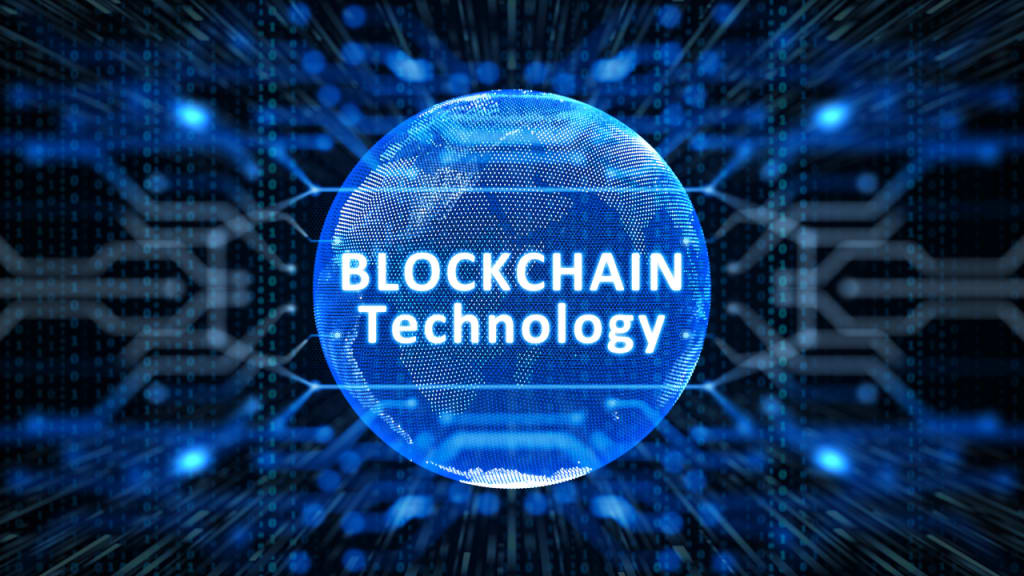
As we step deeper into 2024, the tech landscape is buzzing more than ever with advancements in blockchain technology. This revolutionary tech is reshaping industries, from finance to supply chain management, requiring a new breed of savvy programmers fluent in the most effective programming languages.
Selecting the right language can make or break a blockchain project. It’s not just about coding; it's about integrating security, efficiency, and compatibility with existing systems. Developers need to be judicious in their choice to leverage the full potential of blockchain.
For those looking to carve out a career in this exciting field, or businesses aiming to harness blockchain's power, knowing which programming languages are dominating the scene in 2024 is crucial. This article explores the top five blockchain programming languages that are setting the standard for innovation and reliability. Join me as we dive into the languages shaping the future of blockchain technology.
Top Blockchain Programming Languages
Navigating the ever-evolving world of blockchain technology requires a deep dive into the tools that make decentralized systems tick. The choice of programming language not only influences the functionality and reliability of blockchain applications but also defines the scalability and security of the entire network. From the intricacies of smart contracts to the fundamentals of network creation, these languages are the building blocks of tomorrow's blockchain infrastructures.
1. Solidity
When it comes to blockchain development, Solidity remains the undisputed champion, especially in the realm of smart contracts. Born specifically for Ethereum, it quickly became the gold standard for creating decentralized applications (dApps). As we navigate through 2024, Solidity’s dominance is bolstered by its ability to deploy secure and complex contracts on various blockchain platforms that support Ethereum Virtual Machine (EVM).
Solidity's syntax, somewhat reminiscent of JavaScript and C++, makes it relatively easy for new developers to pick up. Additionally, its robust programming environment and continuous updates ensure it stays relevant and capable of handling evolving security threats and performance demands. Whether it's finance, real estate, or healthcare, Solidity enables developers to build applications that are not only scalable but also tightly secure.
2. Rust
Rust has been gaining momentum rapidly in the blockchain community for its unmatched performance and safety, especially in system-level code scenarios. Projects like Solana and Polkadot harness Rust's potential to offer speed and efficiency without compromising on safety. The language's strict compilation process eliminates many bugs that are common in other systems-level languages like C or C++.
In 2024, Rust’s role in blockchain is expanding beyond foundational frameworks to include entire ecosystems of applications that require fast execution and high reliability. Its rich type system and ownership model promote memory safety and concurrency, making it a top choice for developers prioritizing performance and security in their blockchain solutions.
3. Python
Python continues to be a favorite among developers for its simplicity and versatility, which translates beautifully into the blockchain space. It’s particularly favored by startups and newcomers to blockchain development due to its straightforward syntax and readability. Python’s wide array of libraries and frameworks, like Web3.py and Brownie, make it simpler to connect to blockchain networks and perform transactions without deep diving into lower-level complexities.
While Python might not always be the first choice for performance-intensive blockchain operations, its ease of use and the vast community support make it invaluable for rapid prototyping and early-stage blockchain development. As of 2024, Python is also increasingly used in educational blockchain initiatives, preparing the next generation of developers.
4. Go
Go, or Golang, developed by Google, has established itself as a formidable player in the blockchain programming arena. It's the backbone for several significant blockchain platforms, including Hyperledger Fabric and Ethereum's consensus layer. What sets Go apart is its efficiency in handling concurrency, which is a critical aspect in the performance of blockchain networks.
Go’s straightforward syntax and ability to handle massive volumes of transactions make it a go-to language for enterprise-grade applications. As blockchain technology continues to penetrate into large-scale business operations, Go’s role in developing scalable and efficient blockchain systems is becoming increasingly prominent.
5. JavaScript
Surprised to see JavaScript on this list? Don't be! JavaScript, one of the most popular programming languages in the world, naturally plays a vital role in blockchain development. With the rise of Node.js, JavaScript has become indispensable for developing the front-end of dApps and interfacing with blockchain back-ends through libraries like Ether.js and Web3.js.
In 2024, JavaScript's ubiquity and the widespread familiarity among developers make it essential for blockchain projects that aim for rapid deployment and cross-platform compatibility. It's especially crucial for creating user-friendly interfaces that can bring blockchain technologies closer to the general public.
Which Language is the Best for Blockchain Development?
Deciding on the "best" programming language for blockchain development depends largely on the project requirements, the developer's expertise, and the specific goals of the application. Each language outlined offers distinct benefits that cater to different needs within the blockchain ecosystem.
In essence, the choice of a programming language in blockchain development should be driven by specific project needs:
- For smart contracts and dApps: Solidity is generally preferred if you're primarily targeting the Ethereum blockchain or any compatible alternatives.
- For system-level programming where performance is critical: Rust offers cutting-edge tools for safe and concurrent programming.
- For beginners and education: Python serves as an excellent starting point due to its ease of use and supportive community.
- For enterprise solutions: Go provides the robustness needed for high-load systems.
- For client-side development: JavaScript remains essential for creating engaging user experiences and seamless interactions with blockchain systems.
By aligning the language with the project’s requirements, developers can not only ensure optimal performance but also maintain scalability and security as their applications evolve. As the blockchain field grows, staying adaptable and informed about the strengths of each language will help developers make impactful contributions to this dynamic industry.
Wrapping Up
The blockchain landscape in 2024 is diverse and ever-evolving, demanding a range of programming skills and technical adaptability. Whether you’re drawn to Solidity’s specificity, Rust’s robustness, Python’s simplicity, Go’s efficiency, or JavaScript’s versatility, each language offers unique advantages tailored to different aspects of blockchain development. As this technology continues to mature and permeate more sectors, the demand for skilled developers fluent in these languages is set to skyrocket. Choosing the right language can propel your career or project to new heights in the ever-expanding universe of blockchain technology.
About the Creator
Deftsoft
We offer various development services, such as AEM, Blockchain, Metaverse development services, website/mobile app development and digital marketing services.
About Binding Prometheus
I want to start actively advocating on behalf of my own work, and the most valuable part of my canon is, without a doubt, Binding Prometheus, the play I have been working on since 2019 and only finished in 2023 as part of my MA. The play itself is an amalgamation of a million different inspirations. On one end, it evokes the Ancient Greek myth-play, deriving its own title from the earliest extant work of Western drama we have, Aeschylus’s Prometheus Bound. On the other end, it borrows significantly from the sci-fi bulwarks from over the years, namely Mary Shelley’s Frankenstein and Karel Capek’s Rossum’s Universal Robots. The play could be an episode of Black Mirror, I fear. I don’t know. I’ve only ever seen one episode of Black Mirror.
By Steven Christopher McKnight17 days ago in Futurism
Health Insurance Market: Preventive Care Focus, Value-Based Models & Industry Trends
According to IMARC Group's latest research publication, global health insurance market size reached USD 1,949.84 Billion in 2024. Looking forward, IMARC Group expects the market to reach USD 3,457.98 Billion by 2033, exhibiting a growth rate (CAGR) of 5.90% during 2025-2033.
By Andrew Sullivan5 days ago in Futurism



Comments
There are no comments for this story
Be the first to respond and start the conversation.