
Top 10 Platforms for Selling Your Products
From Local to Global: Where to Sell Your Products Online


The e-commerce revolution has made it easier than ever for businesses to reach a global customer base. Whether you're a seasoned entrepreneur or a new business owner, selecting the right platform to sell your products can significantly impact your success. Here are the top 10 platforms for selling your products online:
1. Amazon

Amazon is a global e-commerce platform offering sellers access to a vast customer base. Its comprehensive seller tools, including Amazon Advertising and Fulfillment by Amazon, streamline the selling process, making it user-friendly. Amazon's selling plans are adaptable to various business sizes and needs, accommodating both small businesses and larger enterprises. However, potential challenges include high competition, seller fees, and strict policies. Overall, Amazon's extensive reach and resources make it a preferred choice for businesses aiming to expand their online presence.
2. eBay

eBay is a global e-commerce platform known for its auction-style selling model, making it ideal for selling unique or collectible items. It offers access to a vast and diverse audience, and provides seller tools including marketing features and the Seller Hub for managing your business. However, challenges include high competition and associated selling fees. Overall, eBay's unique selling model and robust tools make it an effective platform for reaching a wide customer base, especially for sellers dealing in unique items.
3. Etsy

Etsy is a global e-commerce platform specializing in unique, handmade, and vintage goods. Its niche marketplace attracts craft lovers and conscious consumers, making it an excellent platform for artisans and vintage sellers. While it provides an opportunity to reach a passionate and engaged customer base, sellers must also adhere to Etsy's strict selling policies that emphasize unique and handmade items.
4. Shopify

If you're looking for customization and brand control, Shopify is a great choice. This platform lets you create your own online store, offers a variety of payment options, and provides useful analytics.
5. Facebook Marketplace
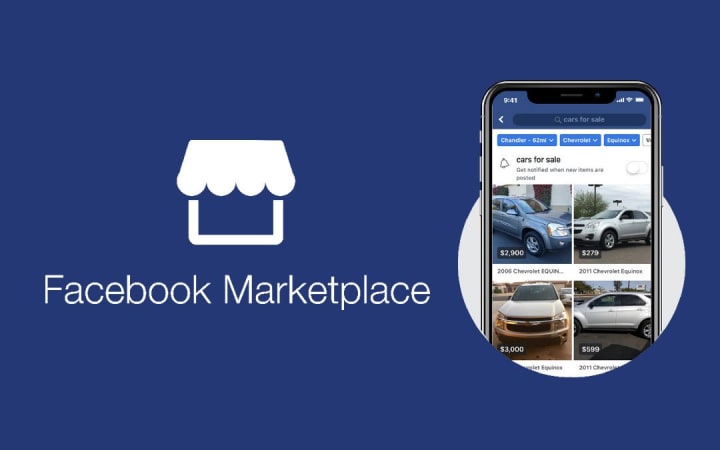
Facebook Marketplace is a free-to-use platform that allows users to buy and sell items locally within their community. It leverages the social aspect of Facebook to facilitate more personal buying and selling experiences. While it's a convenient platform with a broad user base, it's mostly suitable for local, face-to-face transactions and may not be ideal for large-scale or long-distance selling.
6. Instagram Shopping

Instagram Shopping is a feature that allows businesses to showcase their products through posts and stories, transforming their Instagram account into a virtual storefront. With a seamless integration between product discovery and purchase, it provides a visually engaging shopping experience. While Instagram Shopping reaches a wide, often younger, audience, businesses must have a solid strategy for creating appealing visual content and engaging with their followers.
7. Alibaba

Alibaba is a global e-commerce platform primarily focused on wholesale trade. It allows businesses to sell large quantities of products to other businesses both domestically and internationally. While it provides opportunities for high-volume sales and access to international markets, it's more suited for B2B transactions and may not be ideal for small businesses or individual sellers.
8. Walmart Marketplace

Walmart Marketplace is an e-commerce platform that allows third-party sellers to list their products on Walmart's website, reaching millions of potential customers. It offers businesses the credibility associated with selling on a platform of a well-known retailer. While it provides a vast customer base, sellers must meet Walmart's high standards for seller performance and customer service.
9. Craigslist

For local, larger items like furniture or vehicles, Craigslist's free platform can be a great choice. It's also good for sellers who prefer face-to-face interactions.
10. Poshmark

If you sell new or used clothing, shoes, and accessories, Poshmark is the platform for you. This social commerce platform is ideal for fashion enthusiasts and wardrobe upcyclers.
In conclusion,
the right platform for selling your products depends on your business's specific needs and target audience. It's a good idea to explore multiple platforms and diversify your online presence to increase your reach and potential for sales.
About the Creator
Kamarul Rusydi
Kamarul Rusydi, an alumnus of IIUM, is a dedicated Data Scientist with a passion for transforming complex data into actionable insights.
Keep reading
More stories from Kamarul Rusydi and writers in Futurism and other communities.
The AI Revolution: Exploring Its Transformative Power and Future Potential
Introduction In our daily life, the influence of Artificial Intelligence (AI) is more profound than ever before. From conversational voice assistants like Siri and Alexa to personalized entertainment suggestions on platforms like Netflix or Spotify, AI is behind some of the most significant advancements in technology. But what is AI, and why does it hold such a significant place in our modern world?
By Kamarul Rusydi3 years ago in Futurism
Composite AI Market to Reach USD 18.5 Billion by 2033: Multi-Model Intelligence Transforms Enterprise Decision Systems
Market Overview The global Composite AI Market is projected to expand from USD 0.8 Billion in 2023 to approximately USD 18.5 Billion by 2033, reflecting a strong CAGR of 36.7% during the forecast period from 2024 to 2033. Composite AI refers to the integration of multiple artificial intelligence techniques such as machine learning, knowledge graphs, natural language processing, and optimization algorithms into a unified system.
By Roberto Crum3 days ago in Futurism
Pet Supplement Market Growth Accelerates with AI Innovation, Rising Pet Health Awareness, and Premium Nutrition Demand
Pet Supplement Market Overview The global pet supplement market has evolved rapidly over the last decade as pets are increasingly considered family members. Consumers are now willing to spend more on preventive healthcare, immunity boosters, joint care, digestive supplements, and skin & coat health products for their pets.
By James Smith6 days ago in Futurism
Early March 2026: 4 Goals Accomplished
It's early March and I've now accomplished my 4th writing goal for the year of 2026. Before diving into the behind-the-scenes of it... why not tell you up front what that accomplishment was? I was published in a 2nd publication for this year. Published in Helix Literary Magazine out of Central Connecticut State University. You can read it for free right now!
By Stephen Kramer Avitabile2 days ago in Writers




Comments (1)
Good article