
The Truth About AI: Myths vs. Facts You Need to Know
Separating science fiction from reality in the age of artificial intelligence.

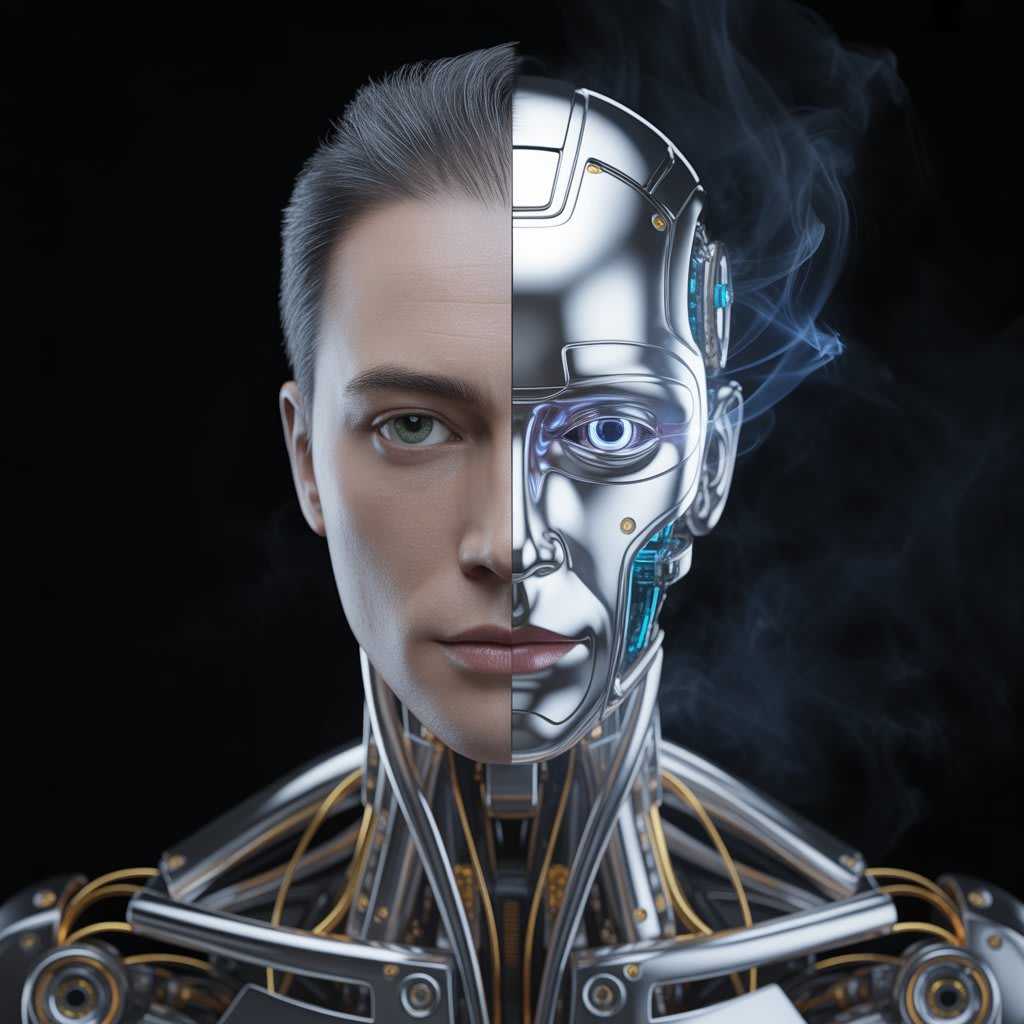
The Truth About AI: Myths vs. Facts You Need to Know
Artificial Intelligence has become one of the most talked-about technologies of our time. From self-driving cars to chatbots, AI seems to be everywhere. But with all the hype, news headlines, and Hollywood movies, it can be hard to separate reality from fiction. Many people either fear AI as a dangerous future overlord or see it as a magical solution to every problem. The truth lies somewhere in between.
In this article, we’ll break down some of the most common myths about AI and replace them with the real facts. By the end, you’ll have a clearer understanding of what AI can and cannot do, and why it matters for your future.
Myth 1: AI Thinks Like Humans
Fact: AI does not think or feel.
One of the biggest misconceptions is that AI has human-like intelligence. In reality, AI systems don’t “understand” the way humans do. They operate on patterns, data, and algorithms. For example, a language translation app doesn’t actually know what words mean—it just compares huge amounts of data to produce the most likely translation. AI is powerful, but it lacks creativity, empathy, and true understanding.
Myth 2: AI Will Soon Replace All Jobs
Fact: AI changes jobs but doesn’t eliminate all of them.
While it’s true that AI automates certain tasks, it also creates new opportunities. For example, AI tools may reduce the need for repetitive data entry but increase demand for jobs in AI ethics, machine learning, and human-AI collaboration. Just as the Industrial Revolution created new careers while replacing some old ones, AI is expected to shift rather than erase the job market.
Myth 3: AI is Always Neutral
Fact: AI can be biased.
Many people assume AI makes fair and logical decisions. But AI systems learn from human data, and if that data contains bias, the system may reflect it. For instance, some facial recognition software has shown higher error rates for people with darker skin tones. This proves that AI is only as fair as the data and people who design it.
Myth 4: AI Will Take Over the World
Fact: AI is a tool, not a mastermind.
Hollywood loves to show AI as an unstoppable villain plotting to destroy humanity. In reality, AI has no goals or desires of its own. It doesn’t wake up one day wanting to rule the world. The danger lies not in AI becoming evil, but in humans misusing it—whether for surveillance, misinformation, or warfare. AI reflects human intentions, both good and bad.
Myth 5: Only Tech Experts Need to Worry About AI
Fact: AI affects everyone.
You don’t need to be a programmer to feel AI’s impact. Every time you shop online, scroll through social media, or stream a movie, AI is shaping your experience. It decides what ads you see, which posts show up in your feed, and which movies are recommended. AI isn’t just a tech issue—it’s a social, ethical, and cultural one too.
Myth 6: AI Can Solve Every Problem
Fact: AI has limits.
AI can be incredibly powerful in fields like healthcare, transportation, and education, but it isn’t magic. It cannot replace human judgment, values, or creativity. For example, while AI can suggest possible medical diagnoses, a doctor is still needed to make final decisions and care for patients. Believing AI can solve everything sets unrealistic expectations and ignores human responsibility.
Myth 7: AI Doesn’t Exist in Everyday Life Yet
Fact: AI is already here.
From unlocking your phone with face recognition to asking your virtual assistant to play music, AI is part of your daily routine. Streaming services like Netflix or Spotify use AI to recommend content. Navigation apps like Google Maps rely on AI to predict traffic and suggest the fastest routes. AI isn’t a far-off dream—it’s already quietly shaping modern life.
Myth 8: AI is Dangerous by Nature
Fact: AI’s impact depends on how we use it.
AI is not inherently dangerous. The risks come from misuse or lack of regulation. For example, AI can be used for positive goals like predicting natural disasters or helping doctors detect diseases. But it can also be used for harmful purposes, such as spreading fake news or mass surveillance. The responsibility lies with humans to guide AI development responsibly.
Final Thoughts
Artificial Intelligence is one of the most transformative technologies of our era, but it’s surrounded by misunderstandings. AI doesn’t think like us, won’t take over the world, and isn’t always neutral. At the same time, it isn’t a magical solution to all problems either.
The truth is that AI is a tool—a powerful one—that can bring enormous benefits if developed ethically and responsibly. It’s already here, shaping our everyday lives in ways we may not notice. The challenge for the future is not about fighting against AI, but about learning how to use it wisely, fairly, and for the greater good.
By separating myth from fact, we can approach AI with both caution and optimism. Instead of fearing it or glorifying it, we should focus on building a future where AI serves humanity rather than the other way around.
About the Creator
Echoes of Life
I’m a storyteller and lifelong learner who writes about history, human experiences, animals, and motivational lessons that spark change. Through true stories, thoughtful advice, and reflections on life.
Keep reading
More stories from Echoes of Life and writers in Futurism and other communities.
10 Surprising Facts About Artificial Intelligence You Probably Didn’t Know
10 Surprising Facts About Artificial Intelligence You Probably Didn’t Know When most people hear the term Artificial Intelligence (AI), their minds jump to images of humanoid robots, futuristic cities, or even doomsday scenarios from science fiction movies. But the truth is, AI is not just about robots or high-tech laboratories. It is already woven into the fabric of our daily lives, often in ways we don’t even realize. From making our phones smarter to predicting natural disasters, AI is far more widespread and influential than it appears on the surface.
By Echoes of Life7 months ago in Futurism
Australia Bearings Market: Precision Engineering Demand, Industrial Automation Expansion & Renewable Energy Equipment Growth
According to IMARC Group, the Australia bearings market reached a value of USD 1.45 Billion in 2025 and is projected to reach USD 3.57 Billion by 2034, growing at a compound annual growth rate (CAGR) of 10.51% during 2026–2034. The market is experiencing robust growth as industries increasingly rely on high-performance mechanical components to support advanced machinery and equipment. Bearings play a critical role in reducing friction between moving parts and enabling efficient operation in mechanical systems used across automotive manufacturing, industrial machinery, energy production and transportation infrastructure. As Australia continues expanding its manufacturing capabilities and modernizing industrial operations, the demand for precision-engineered bearings is rising. Additionally, the rapid deployment of renewable energy infrastructure, including wind turbines and solar tracking systems, is increasing the need for specialized bearings capable of operating in demanding environmental conditions.
By Kevin Cooperabout 6 hours ago in Futurism
Creator Economy Market to hit USD 1,072.8 Billion By 2034, Social Media Platforms Dominance
Creator Economy Market Overview The global Creator Economy Market is projected to reach approximately USD 1,072.8 Billion by 2034, increasing from nearly USD 149.4 Billion in 2024. This reflects a robust CAGR of 21.8% during the forecast period from 2025 to 2034. Growth in this market is largely attributed to the rapid expansion of digital platforms that enable individuals to monetize content, build personal brands, and engage directly with audiences. Social media platforms, streaming services, and digital content marketplaces are providing creators with tools to generate revenue through advertising, sponsorships, subscriptions, and digital product sales.
By Roberto Crum7 days ago in Futurism




Comments
There are no comments for this story
Be the first to respond and start the conversation.