
The Role of Indoor Mapping Software in Museums
Unlocking Seamless Navigation
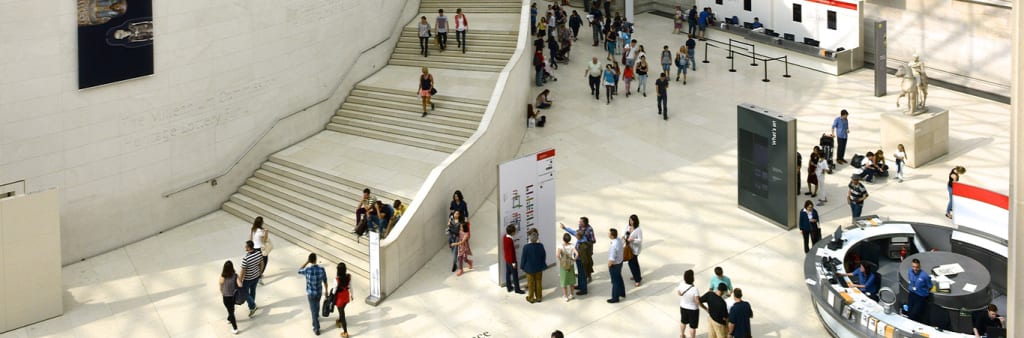
Museums have long been centers of education and cultural enrichment, but navigating their vast halls can sometimes be overwhelming. With sprawling exhibits, multiple floors, and various themed sections, visitors can easily feel lost or miss important displays. In the digital age, museums are embracing technology to enhance visitor engagement and accessibility. One of the most transformative innovations is indoor mapping software, which revolutionizes how guests explore exhibits, navigate large spaces, and access real-time information. By integrating advanced mapping solutions, museums can create a more interactive, engaging, and user-friendly experience for all visitors.
Enhancing Wayfinding for a Seamless Experience
Museums, often large and complex in design, can be challenging for visitors to navigate, especially during peak hours or special exhibitions. Indoor mapping software eliminates confusion by providing interactive digital maps that guide visitors to specific exhibits, restrooms, cafés, and exits. These maps are accessible via mobile apps, digital kiosks, or even augmented reality (AR) interfaces, ensuring that guests can effortlessly find their way without missing key attractions.
Additionally, indoor mapping technology can incorporate real-time navigation that adjusts dynamically based on visitor location and preferences. Visitors can search for an exhibit and receive step-by-step guidance, much like GPS navigation for outdoor environments. This intuitive experience enhances guest satisfaction and encourages longer, more immersive visits.
Real-Time Updates and Dynamic Information
Unlike static maps, digital indoor mapping software offers real-time updates, making it easier for museums to keep visitors informed. Museums can integrate this technology with event schedules, exhibit changes, and live occupancy data to provide up-to-date information.
For example, if a particular gallery reaches capacity, the software can suggest alternative exhibits to explore, improving crowd control and enhancing visitor satisfaction. Likewise, time-sensitive notifications—such as upcoming guided tours, interactive workshops, or special performances—can be delivered directly to visitor devices, ensuring they never miss an opportunity to engage with the museum’s offerings.
Personalized and Inclusive Visitor Experiences
Indoor mapping solutions allow for personalized navigation based on visitor preferences. Guests can select a themed tour—such as “Ancient Artifacts” or “Modern Masterpieces”—and receive a tailored route that highlights exhibits of interest.
Beyond personalization, accessibility is a major benefit of indoor mapping. Features such as step-free pathways, audio descriptions, and sign language guides make museums more inclusive for all visitors, including those with mobility challenges or sensory impairments. By prioritizing accessibility, museums ensure that cultural enrichment is available to a broader audience.
Integration with Augmented Reality and Gamification
To further enrich the visitor experience, indoor mapping software can integrate with AR and gamification elements. Museums can create interactive scavenger hunts, immersive storytelling experiences, or augmented reality overlays that bring historical artifacts to life.
For instance, visitors exploring an ancient Egyptian exhibit could point their mobile device at a hieroglyph and see a digital animation depicting its historical significance. Such interactive elements engage younger audiences and foster a deeper connection with the exhibits, transforming passive viewing into an interactive adventure.
Data-Driven Insights for Museums
Beyond enhancing visitor experiences, indoor mapping software provides museums with valuable analytics. By tracking visitor movement patterns, dwell times, and popular exhibits, institutions can optimize exhibit layouts, improve signage, and refine marketing strategies.
For example, if data indicates that a particular exhibit receives less traffic, museum administrators can adjust its location, enhance its promotional efforts, or introduce interactive elements to draw more interest. These insights allow museums to continually enhance their offerings and maximize engagement.
The Future of Museum Navigation
As museums continue to embrace digital transformation, indoor mapping software will play a pivotal role in shaping the future of visitor experiences. Advancements in AI-powered navigation, voice-assisted wayfinding, and real-time data integration will further enhance how guests interact with museum spaces.
Additionally, as wearable technology and smart glasses become more widespread, museums may integrate navigation into these devices, allowing visitors to access hands-free guidance while exploring exhibits. Such innovations will ensure that museums remain accessible, informative, and captivating for audiences of all ages.
Conclusion
For institutions looking to modernize their visitor experience, investing in indoor mapping solutions is a step toward a more connected and immersive museum journey. With features such as real-time navigation, personalized routes, AR integration, and valuable data insights, museums can offer an enhanced and intuitive way for visitors to explore and engage with history, art, and culture.
About the Creator
About Binding Prometheus
I want to start actively advocating on behalf of my own work, and the most valuable part of my canon is, without a doubt, Binding Prometheus, the play I have been working on since 2019 and only finished in 2023 as part of my MA. The play itself is an amalgamation of a million different inspirations. On one end, it evokes the Ancient Greek myth-play, deriving its own title from the earliest extant work of Western drama we have, Aeschylus’s Prometheus Bound. On the other end, it borrows significantly from the sci-fi bulwarks from over the years, namely Mary Shelley’s Frankenstein and Karel Capek’s Rossum’s Universal Robots. The play could be an episode of Black Mirror, I fear. I don’t know. I’ve only ever seen one episode of Black Mirror.
By Steven Christopher McKnight29 days ago in Futurism
Electrolyzer Market: Net-Zero Targets, Hydrogen Economy & Growth Outlook
Rising focus on clean energy transition, decarbonization goals, and green hydrogen adoption is driving growth in the electrolyzer market. Government incentives, renewable energy integration, and falling renewable power costs support large-scale deployment. According to IMARC Group's latest research publication, The global electrolyzer market size reached USD 544.8 Million in 2024. Looking forward, IMARC Group expects the market to reach USD 1,067.5 Million by 2033, exhibiting a growth rate (CAGR) of 7.14% during 2025-2033.
By James Whitman7 days ago in Futurism



Comments
There are no comments for this story
Be the first to respond and start the conversation.