
The Rising Demand for Sustainable Furniture in Global Markets
How Eco-Conscious Consumers Are Shaping the Future of the Furniture Industry Worldwide
Introduction
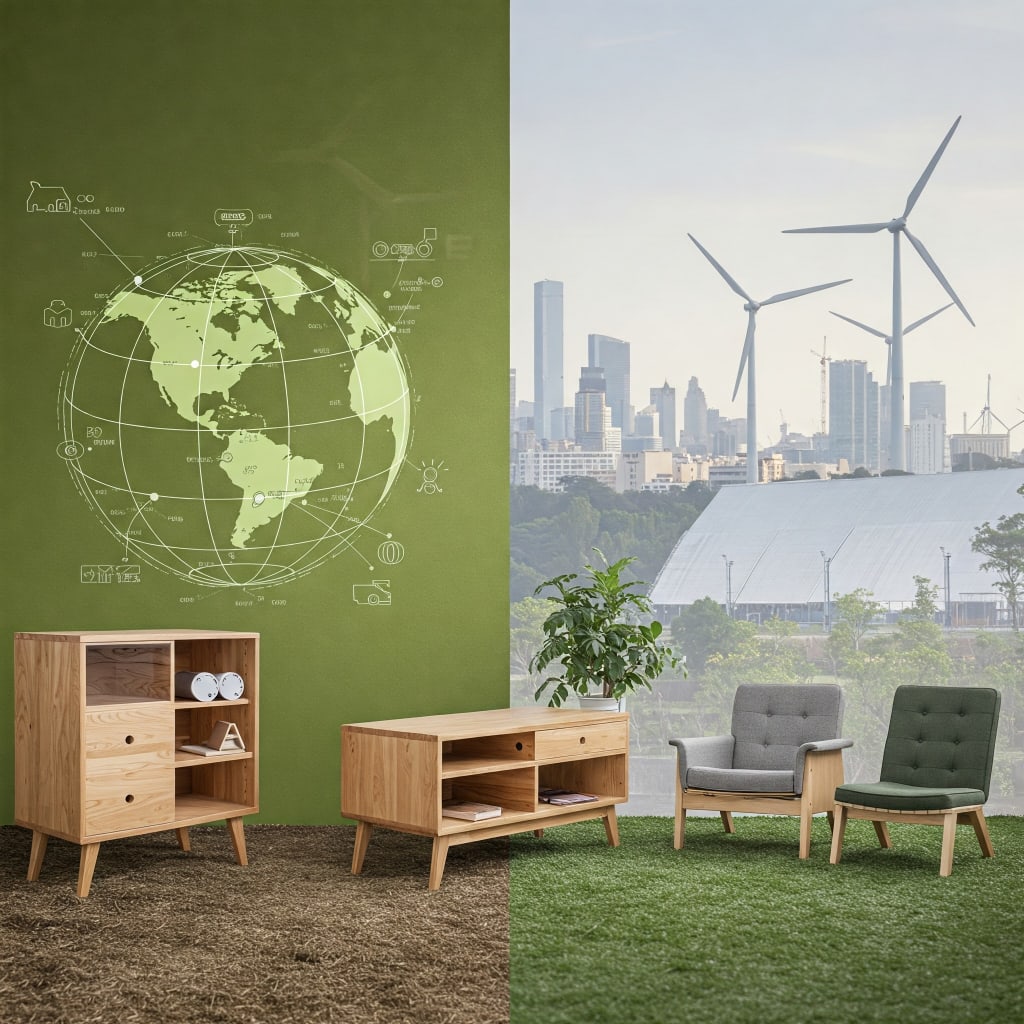
In recent years, the global furniture industry has been undergoing a significant transformation, fueled by a growing demand for sustainable and eco-friendly products. As consumers become more aware of climate change, deforestation, and ethical production practices, sustainable furniture is quickly moving from a niche category to a global priority.
A Conscious Shift in Consumer Behavior
Today’s consumers are more informed and intentional than ever before. They’re not just looking for beautiful and functional furniture—they want to know how it was made, where it came from, and what kind of impact it has on the planet.
This shift is especially visible in Europe and North America, where buyers actively seek out furniture labeled as:
Eco-friendly
FSC-certified
Handcrafted
Made from reclaimed or recycled materials
Younger generations like Millennials and Gen Z are leading this movement. They’re supporting brands that share their values around sustainability, transparency, and ethical sourcing.
Materials and Methods That Make a Difference
Sustainable furniture stands out because of the materials and production methods used. Some of the most popular eco-conscious materials include:
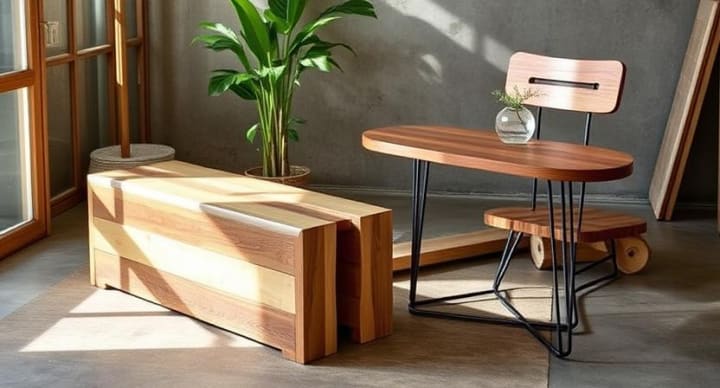
Reclaimed wood
Bamboo and rattan
Recycled metal
FSC-certified timber
These materials are renewable, often locally sourced, and leave a smaller environmental footprint. Many manufacturers are also embracing:
Low-VOC (non-toxic) finishes
Energy-efficient production methods
Waste-minimizing designs and packaging
This approach supports the rise of “slow furniture”—durable, timeless, and thoughtfully made products that contrast the throwaway culture of fast furniture.
Supporting Craftsmanship and Local Artisans
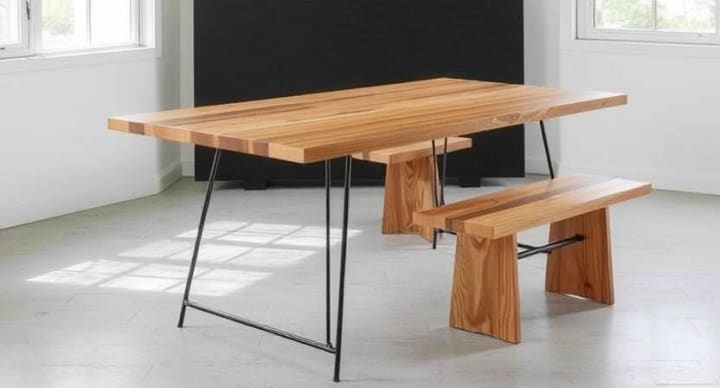
Handcrafted furniture has become an important part of the sustainability story. Buyers increasingly value handmade pieces for their:
Authenticity
Uniqueness
Cultural richness
Lower environmental impact
Countries like India, Indonesia, and Mexico are now key exporters of sustainable wooden furniture, thanks to their strong artisan traditions and access to locally sourced materials. These pieces are often crafted using age-old techniques, combining ethical production with beautiful design.
Regulations and Industry Adaptation
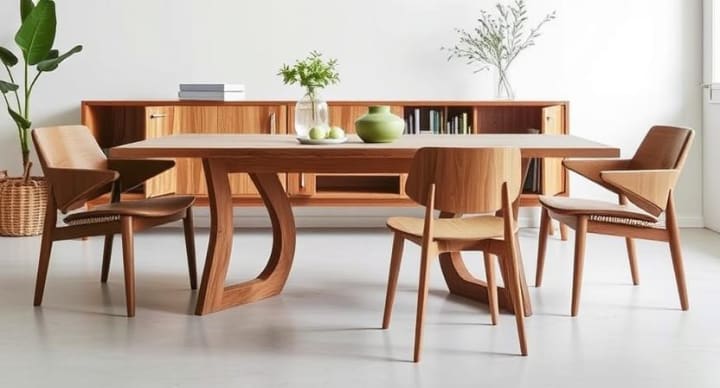
Governments and international organizations are playing a vital role in supporting this shift. Policies and certifications are encouraging manufacturers to:
Design with a product's full lifecycle in mind
Reduce carbon footprints
Use sustainable materials and practices
Key certifications that boost consumer trust include:
FSC (Forest Stewardship Council)
GREENGUARD
Cradle to Cradle
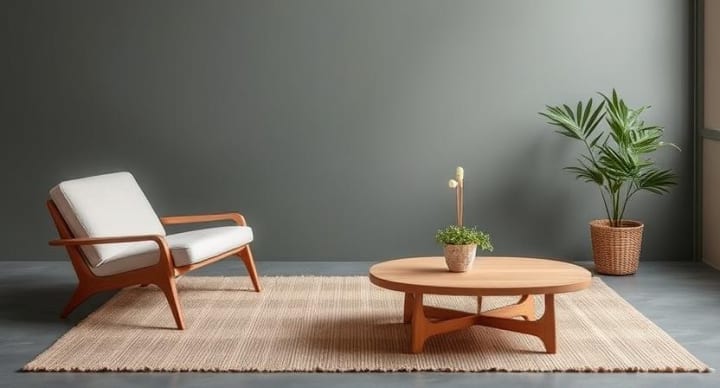
In response, both established furniture brands and emerging designers are integrating sustainability into their product lines and brand identity. From eco-friendly collections to recyclable packaging, the industry is adapting quickly to meet changing expectations.
E-commerce and Global Accessibility
The rise of online furniture shopping has helped consumers around the world access sustainable options more easily. E-commerce platforms allow for:
Easy comparison of eco-friendly brands
Transparent product storytelling
Direct access to artisan-made or certified pieces
Social media has also amplified the movement, with interior designers and influencers showcasing sustainable home setups and encouraging mindful consumer habits.
The Future of Furniture is Sustainable
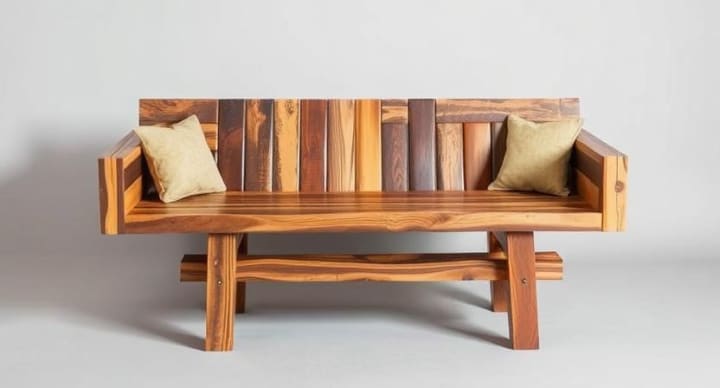
What was once a trend is now a lasting movement. Sustainable furniture is no longer just a “nice to have”—it’s becoming the standard. As climate concerns grow and regulations tighten, the demand for furniture that respects both people and the planet will only increase.
Brands that focus on sustainability, transparency, and craftsmanship will not only gain customer loyalty but will also help shape a more responsible and conscious future for the furniture industry.
Final Thoughts
The global shift toward sustainable furniture reflects a deeper cultural change—one that values long-term thinking, ethical production, and environmental stewardship. As this movement continues to grow, it offers exciting opportunities for innovation, creativity, and meaningful impact in the way we live and design our spaces.
About the Creator
Keep reading
More stories from Opaa Homes and writers in Futurism and other communities.
Form, Function, and Flair: The New Rules of Furniture Design
Furniture design is undergoing a transformation—one that embraces beauty, purpose, and individuality in equal measure. The modern approach to furniture no longer hinges solely on function, nor is it dictated entirely by form. Instead, today’s designers are crafting pieces that sit at the intersection of aesthetics, usability, and expressive detail. Welcome to the era of form, function, and flair.
By Opaa Homes9 months ago in Futurism
About Binding Prometheus
I want to start actively advocating on behalf of my own work, and the most valuable part of my canon is, without a doubt, Binding Prometheus, the play I have been working on since 2019 and only finished in 2023 as part of my MA. The play itself is an amalgamation of a million different inspirations. On one end, it evokes the Ancient Greek myth-play, deriving its own title from the earliest extant work of Western drama we have, Aeschylus’s Prometheus Bound. On the other end, it borrows significantly from the sci-fi bulwarks from over the years, namely Mary Shelley’s Frankenstein and Karel Capek’s Rossum’s Universal Robots. The play could be an episode of Black Mirror, I fear. I don’t know. I’ve only ever seen one episode of Black Mirror.
By Steven Christopher McKnight18 days ago in Futurism
Device-as-a-Service Market: Transforming Enterprise Hardware Solutions
📌 Market Overview The Device‑as‑a‑Service (DaaS) market refers to a subscription‑based IT delivery model where organizations procure hardware (like computers, laptops, tablets, and smartphones) paired with software, maintenance, support, and lifecycle management services under one contract. Instead of purchasing devices outright, enterprises outsource procurement, updates, security, and end‑of‑life recycling to DaaS providers. This model shifts traditional capital expenditures (CapEx) to predictable operating expenses (OpEx), helping businesses scale and modernize IT infrastructure efficiently.
By James Smith3 days ago in Futurism


Comments
There are no comments for this story
Be the first to respond and start the conversation.