
The Rise of Remote Work
Stay Productive, Stay Balanced.

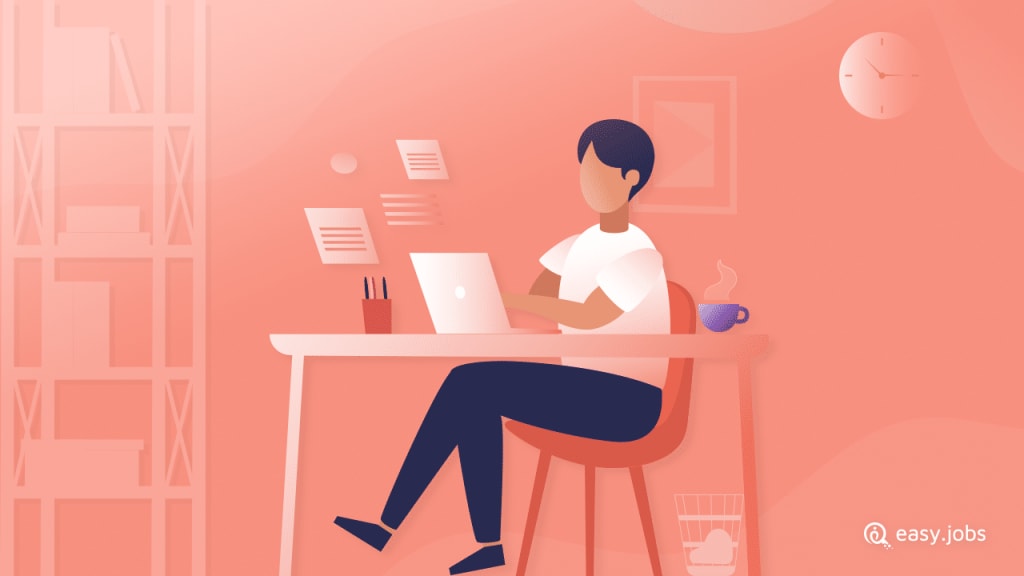
The COVID-19 pandemic has drastically changed how we work and accelerated the remote work trend, which was already on the rise. As companies had to adjust to social distancing policies and lockdowns, millions of workers switched from typical office settings to home offices. This revolution has not only altered the nature of work but also led to a reassessment of work-life balance and productivity.
The Transition to Remote Work
Before the pandemic, remote work was often regarded as a luxury, accessible only to a select few. As businesses rushed to keep functioning amid extraordinary circumstances, though, remote work turned into a necessity. A report from Stanford University indicates that remote work could boost productivity by 13%, as employees benefit from fewer distractions and more flexible schedules. This newly discovered flexibility has caused numerous organizations to reevaluate their long-term strategies, with some choosing hybrid models that integrate both remote and in-office work.
The Advantages of Remote Work
The increase in remote work has resulted in a number of advantages. Workers benefit from a shorter commuting time, which may enhance job satisfaction and improve their work-life balance. Furthermore, businesses can reduce overhead expenses linked to the upkeep of physical office environments. For numerous individuals, the option to work from any location has created possibilities for residing in regions with lower living costs, thereby improving their quality of life.
Nevertheless, the shift to remote work comes with its own set of difficulties. A lot of employees face challenges related to feelings of isolation, home distractions, and the indistinct boundaries between their professional and personal lives. It is crucial to implement strategies that foster productivity and balance in order to deal with these challenges.
Methods for Maintaining Productivity
Create a Workspace That’s Just for Work: By setting up an area specifically for work activities, you can cue your brain that it’s time to concentrate. The space ought to be well-lit, comfortable, and devoid of distractions. Whether you set up a home office or designate a quiet corner of your living room, having a dedicated workspace can improve focus.
Establish a Routine: Keeping to a regular daily schedule can help replicate the structure of a conventional office setting. Begin your day at the same time each day, take consistent breaks, and establish defined work hours. You can use this routine to help you remain organized and on task.
Use Technology: Employ tools and software aimed at boosting productivity. You can use project management platforms such as Trello or Asana to monitor tasks, while communication tools like Slack or Microsoft Teams enable collaboration with coworkers. Welcome technology to make your work process more efficient.
Prioritize Tasks: Employ methods such as the Eisenhower Matrix or the Pomodoro Technique to effectively prioritize tasks and manage your time. Dividing your workload into smaller, manageable portions can help you avoid feeling overwhelmed and boost your sense of achievement.
Keeping Work-Life Balance
Establish Limits: One major difficulty of remote work is the inclination to mix work and personal life. Establish clear limits by determining your working hours and informing your team about them. Once your workday has concluded, try to avoid the temptation to check emails or finish tasks.
Take Breaks: To sustain productivity and mental health, it is crucial to take breaks on a regular basis. Take a break from your work area: do some stretching or go for a brief walk. These pauses can assist in re-energizing your mind and averting burnout.
Maintain Contact: Fight off feelings of loneliness by keeping in touch with coworkers. Plan regular check-ins, virtual coffee breaks, or team-building activities. Establishing a community spirit can boost morale and encourage teamwork.
Practice Self-Care: Make your physical and mental health a priority. Participate in activities that foster well-being, like physical exercise, meditation, or engaging in hobbies. Self-care is essential for sustaining productivity and balance when working remotely.
With the advent of remote work, the contemporary work environment has been transformed, presenting a range of possibilities and difficulties. Employees can excel in this new environment by adopting strategies that boost productivity and preserve work-life balance. To attain success in a remote context as we keep finding our way through the changing work landscape, it will be essential to adopt flexibility and put well-being first.
About the Creator
Keep reading
More stories from Shahjalal Shakik and writers in Futurism and other communities.
7 Ways to Master Emotional Control
Since they affect our ideas, actions, and interactions, emotions play a crucial role in the human experience. Our lives might be enhanced by emotions, but when they become overwhelming or uncontrollable, they can also provide difficulties. The goal of developing emotional control is to comprehend and effectively manage your feelings rather than repressing them. These techniques will assist you in better managing your emotional reactions.
By Shahjalal Shakik11 months ago in Motivation
The Internet: The Invisible Foundation That Could Vanish Tomorrow 🌐
The Internet is the invention that transformed our world—the one we couldn't imagine living without—yet we rarely give it a second thought because it’s simply "there." In today's article, we’ll explore a world without the Internet. Imagine it suddenly disappears, without explanation, just like that. Let’s assume it "broke" and can no longer be fixed. Welcome to a vision of the year 2026, where connectivity has ceased to exist. 🔌🚫
By Piotr Nowak4 days ago in Futurism
AI Skeptics vs AI Optimists
The brutal truth about AI nobody wants to admit (but you probably feel already) I was sitting in a cramped conference room last year, watching a very confident man explain how AI was going to “replace 40% of jobs by 2030,” when I realized something weird.
By abualyaanartabout 9 hours ago in Futurism




Comments (2)
Very informative article and well written, and good luck.
Good work