
The Rise of China as a Superpower
Opportunities and Challenges for the International System

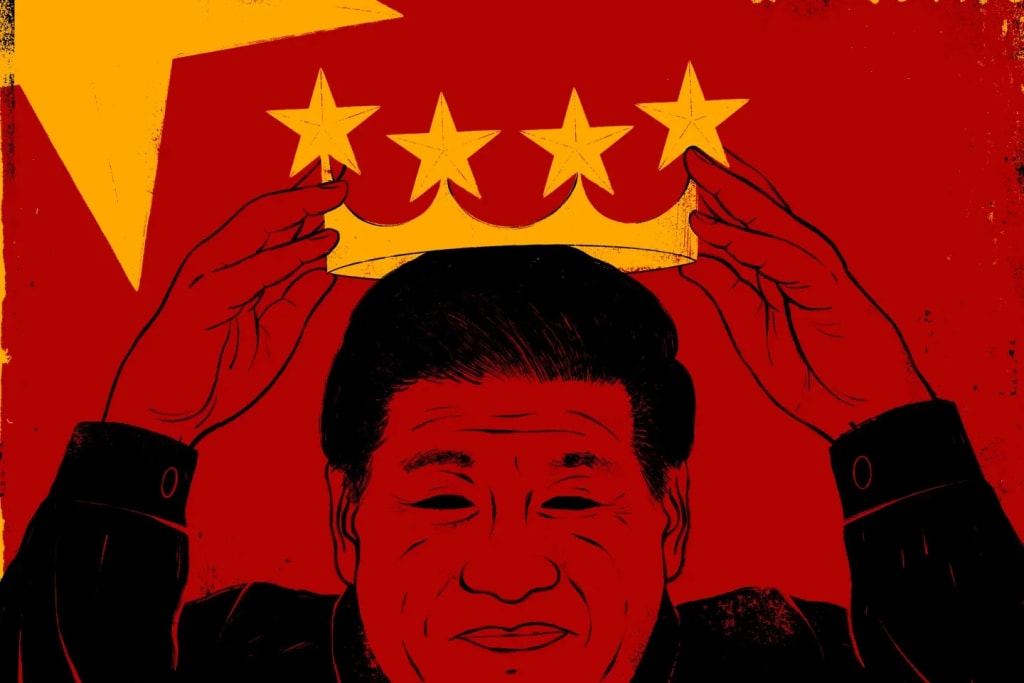
"The Rise of China as a Superpower: Opportunities and Challenges for the International System"
China's Rise as a Superpower: A Comprehensive Analysis
In recent years, China's rise as a global superpower has been one of the most significant developments in the international system. The country has made remarkable strides in economic growth, military power, and technological advancements, among other areas. This has prompted many analysts and scholars to suggest that China may surpass the United States as the world's preeminent superpower in the coming years. In this article, we will examine the factors that have contributed to China's rise as a superpower and discuss the implications of this development for the international system.
Economic Growth
One of the most significant factors contributing to China's rise as a superpower is its economic growth. Over the past few decades, China has experienced rapid economic growth, with an average annual growth rate of around 9.5% between 1979 and 2018. As a result, the country's economy has become the second-largest in the world, behind only the United States. China's economic growth has been fueled by a range of factors, including its large population, abundant natural resources, and a massive labor force.
In recent years, China has also become a leader in global trade, with the country exporting a wide range of goods to countries around the world. Additionally, China has invested heavily in developing its infrastructure, including building new airports, highways, and high-speed rail networks. This has helped to improve the country's connectivity and make it more accessible to the rest of the world.
Military Power
Another critical factor contributing to China's rise as a superpower is its military power. The country has the largest standing army in the world, with over two million active-duty personnel. Additionally, China has invested heavily in developing its military technology, including advanced weapons systems, cyber capabilities, and space-based assets.
China has also become increasingly assertive in its foreign policy, particularly in its territorial disputes with neighboring countries in the South China Sea and East China Sea. The country has also developed a robust nuclear deterrence capability, which it sees as critical to its national security. These developments have led many analysts to suggest that China may be positioning itself to challenge the United States as the world's preeminent military power.
Technological Advancements
China has also made significant strides in technological advancements, with the country investing heavily in areas such as artificial intelligence, quantum computing, and 5G technology. Chinese companies such as Huawei and ZTE have become global leaders in the telecommunications industry, and the country has also made significant strides in developing its space program.
China's technological advancements have helped to drive its economic growth, with the country becoming a leader in industries such as renewable energy, electric vehicles, and robotics. Additionally, the country's advancements in areas such as artificial intelligence and quantum computing could have significant implications for national security and international relations.
Implications for the International System
The rise of China as a superpower has significant implications for the international system. As China's economic and military power continue to grow, the country may become more assertive in its foreign policy, challenging the United States' position as the world's preeminent superpower. Additionally, China's technological advancements could have significant implications for national security and international relations, particularly if the country uses these technologies to gain an edge over its competitors.
Furthermore, China's rise as a superpower could also have significant economic implications. As the country's economy continues to grow, it may become a dominant force in global trade, potentially displacing other countries as major economic powers. This could lead to increased competition and potentially even economic conflict between China and other countries.
China's rise as a superpower is one of the most significant developments in the international system in recent years. The country's economic growth, military power, and technological advancements have contributed to its rise as a global superpower. However, the implications of China's rise for the international system are complex and multifaceted. While China's rise presents opportunities for increased economic cooperation and global development, it also poses significant challenges to the existing international order and could lead to increased competition and potential conflict between China and other countries. As such, it is essential for policymakers and scholars to carefully consider the implications of China's rise and work to develop strategies that promote cooperation and stability in the international system.
Additionally, China's rise has also raised concerns about issues such as human rights violations and political repression. The Chinese government has faced criticism from the international community for its treatment of minority groups such as the Uighurs in Xinjiang and its crackdown on political dissent and freedom of speech. These issues have led to increased scrutiny of China's human rights record and raised questions about the country's commitment to democratic values and the rule of law.
Another area of concern is China's growing influence in developing countries through its Belt and Road Initiative, which seeks to build infrastructure and increase trade between China and other countries. While this initiative has the potential to promote economic development in these countries, it has also raised concerns about debt-trap diplomacy and China's use of economic leverage to gain political influence in these countries.
In response to China's rise as a superpower, the United States has adopted a more confrontational approach in its foreign policy, with the Biden administration emphasizing the need to compete with China in areas such as technology and infrastructure development. Additionally, the United States has strengthened its alliances in the region, particularly with Japan and South Korea, to counter China's growing military power.
Overall, China's rise as a superpower is a complex and multifaceted development that presents both opportunities and challenges for the international system. While China's economic and technological advancements have the potential to drive global development and cooperation, its growing military power and assertive foreign policy could lead to increased competition and potential conflict. As such, it is essential for policymakers and scholars to carefully consider the implications of China's rise and work towards developing strategies that promote cooperation, stability, and respect for human rights in the international system.
One area where China's rise as a superpower has had a significant impact is in the realm of global governance. China's growing economic and political influence has led to its increased participation in international organizations and its efforts to shape global norms and rules to align with its own interests. For example, China has sought to expand its influence in institutions such as the World Trade Organization, the International Monetary Fund, and the United Nations, and has used its economic leverage to shape the policies and practices of these organizations.
This has led to tensions with other countries, particularly the United States, which has accused China of using these institutions to advance its own agenda and challenge the existing international order. The United States has also criticized China's use of its economic leverage to coerce other countries into complying with its demands and accused it of engaging in unfair trade practices.
In addition to its growing influence in international organizations, China has also been expanding its military capabilities, which has raised concerns about its intentions and potential for conflict. China's military spending has increased significantly in recent years, and it has invested heavily in areas such as cyberwarfare, space technology, and missile defense systems.
China has also been increasingly assertive in its territorial claims in the South China Sea, where it has built artificial islands and engaged in disputes with other countries such as Vietnam and the Philippines. This has led to concerns about China's intentions and potential for military conflict in the region.
Overall, China's rise as a superpower has significant implications for the international system and presents both opportunities and challenges for the global community. While China's economic and technological advancements have the potential to drive global development and cooperation, its growing military power and assertive foreign policy could lead to increased competition and potential conflict. As such, it is essential for policymakers and scholars to carefully consider the implications of China's rise and work towards developing strategies that promote cooperation, stability, and respect for human rights in the international system.
About the Creator
DRD
a asted life
Healthy Snacks Industry Outlook: Plant-Based Snacks & Market Expansion
According to IMARC Group's latest research publication, global healthy snacks market size reached USD 95.8 Billion in 2025. Looking forward, IMARC Group expects the market to reach USD 148.4 Billion by 2034, exhibiting a growth rate (CAGR) of 4.98% during 2026-2034.
By sujeet. imarcgroup7 days ago in Futurism
Adhesion Promoter Market Trends: Sustainable Coatings, High-Performance Materials & Industry Forecast to 2034
Optimizing bond strength and surface durability is becoming a central focus for industrial manufacturers as they transition toward advanced composites and high-performance coatings. According to IMARC Group’s latest data, the global adhesion promoter market size was valued at USD 4.44 Billion in 2025. Looking forward, IMARC Group estimates the market to reach USD 6.34 Billion by 2034, exhibiting a CAGR of 4.03% from 2026-2034. Asia Pacific currently dominates the market, holding a significant market share of over 45.3% in 2025.
By Andrew Sullivan6 days ago in Futurism



Comments
There are no comments for this story
Be the first to respond and start the conversation.