
The Rise of Biohacking: Will Humanity Control Its Own Biology?
Biohacking
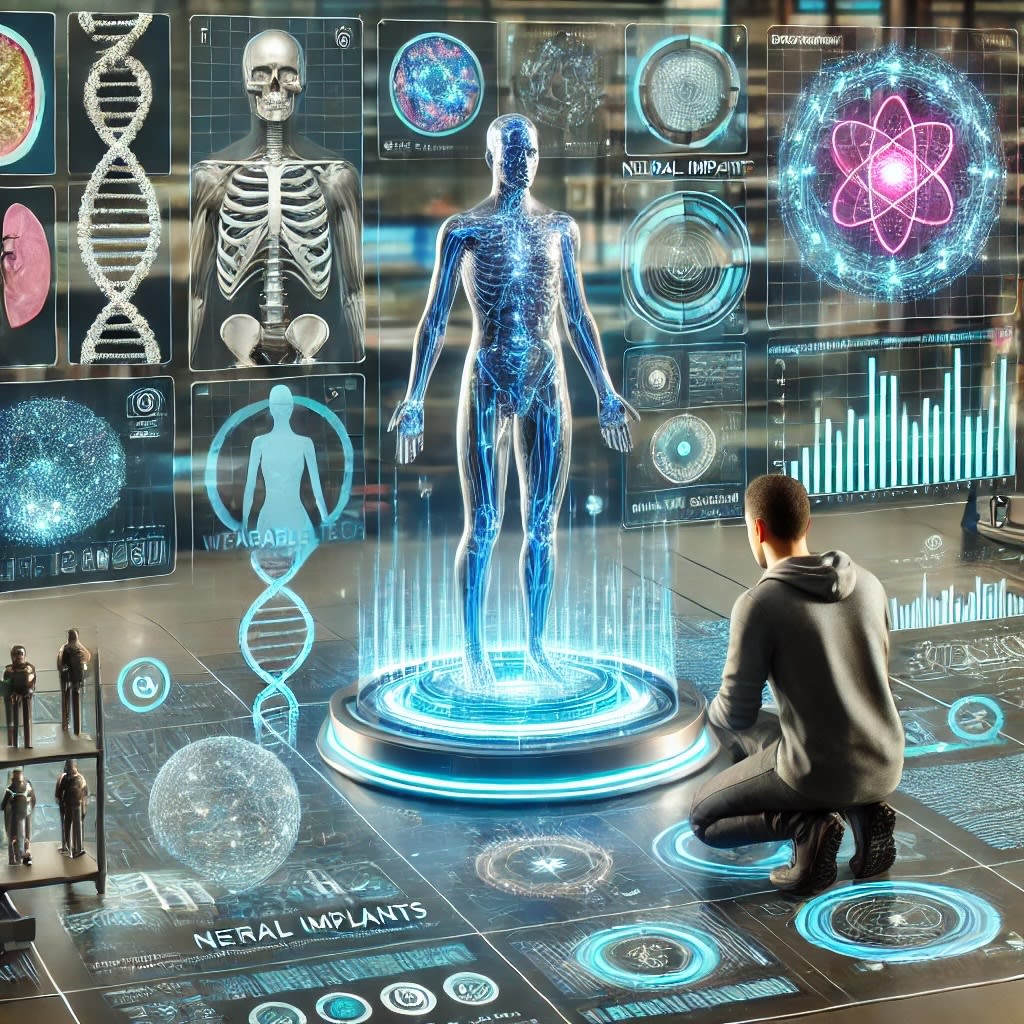
Biohacking a rapidly emerging field, is positioned at the intersection of biology, technology and personal health optimization. It encompasses a broad range of practices, from simple dietary adjustments to cutting-edge genetic modifications. The core idea behind biohacking is the pursuit of enhancing physical and cognitive functions by manipulating the human body and mind through various biological interventions. With advancements in biotechnology, biohacking is no longer confined to professional labs or research institutions. Instead, it has grown into a movement that anyone with curiosity and determination can explore. However, the ethical, societal, and scientific implications of controlling biology on such a personalized level remain profound and complex.
Understanding Biohacking
Biohacking, also known as DIY biology, initially gained traction among individuals interested in self-experimentation. The goal is often personal enhancement—whether improving health, longevity, physical abilities, or cognitive functions. The methods used for biohacking are diverse and can be divided into three main categories: nutritional biohacking, technological biohacking, and genetic biohacking.
Nutritional Biohacking: This form of biohacking is perhaps the most accessible and involves optimizing diet, exercise, and sleep to achieve desired physical and mental outcomes. This can include everything from intermittent fasting to ketogenic diets, or the strategic use of supplements, nootropics, and cognitive enhancers. Nutritional biohacking's foundation lies in the understanding of how food and lifestyle impact the body's biochemistry.
Technological Biohacking: More radical than dietary adjustments, this form of biohacking involves the use of implants and wearable devices. These range from smartwatches tracking sleep patterns and heart rates to subdermal chips that allow cashless payments or digital security keys to be stored inside the body. The use of technology is designed to monitor and alter the body's performance.
Genetic Biohacking: This method leverages cutting-edge advances in genetic modification techniques, such as CRISPR (Clustered Regularly Interspaced Short Palindromic Repeats). Genetic biohackers experiment with modifying genes to alter physical or mental traits, potentially preventing diseases or enhancing certain aspects of human biology, like muscle growth or cognitive function.
The Driving Forces Behind Biohacking
Several factors contribute to the rise of biohacking as a movement. The most significant driving force is the democratization of scientific knowledge and technology. As tools once limited to professional scientists become more accessible, curious individuals can experiment with biology on their own. Platforms like open-source scientific communities and crowdsourcing platforms provide resources for those interested in biohacking. These communities encourage collaboration and experimentation, helping biohackers share data and improve methods.
The desire for personal optimization also fuels the movement. People are constantly seeking ways to become smarter, faster, healthier or simply better. This quest for self-improvement has driven an interest in biohacking among both enthusiasts and professionals. As a result, companies and startups have emerged offering products and services tailored to the biohacking community.
Moreover, biohacking has been popularized by Silicon Valley entrepreneurs, who have heavily invested in personal health optimization techniques. High-profile figures in the tech industry have experimented with various biohacks, including cryotherapy, intermittent fasting, and the use of nootropics. Their experiences have brought mainstream attention to biohacking.
Ethical Implications of Biohacking
Despite its promise, biohacking raises significant ethical questions, particularly when it comes to genetic modification and technological augmentation. One major concern revolves around the potential long-term consequences of unregulated self-experimentation. Genetic manipulation, for instance, holds the risk of unintended side effects that could result in harmful mutations or the exacerbation of existing genetic conditions.
Furthermore, the social inequality inherent in biohacking must be addressed. As technologies like gene editing and physical augmentation become more advanced, they are likely to be expensive and inaccessible to the general population. This raises concerns that only the wealthy will benefit from these advancements, creating an even wider gap between socioeconomic classes.
Another concern is the potential loss of human identity. With the ability to alter the genetic code and enhance physical abilities, the distinction between human and machine may blur. The question arises: at what point do humans become something else? This has significant implications for how society defines humanity and whether there is a risk of creating a divide between biohacked individuals and those who remain unenhanced.
Regulatory Challenges
Regulation of biohacking is an area that has received little attention from authorities thus far, but as the field continues to grow, there is an increasing need for a robust framework. Ensuring safety in biohacking is paramount, particularly for those experimenting with gene editing and invasive technologies.
One challenge in creating regulation is the DIY nature of biohacking. Many biohackers work outside of traditional research environments, and policing such activities is difficult. Some biohacking activities might skirt the boundaries of legality, especially when experimenting with genetic engineering. Governments and international organizations may need to consider new legal frameworks to manage biohacking, much like how regulations around cloning and stem cell research evolved.
The Future of Biohacking
The potential of biohacking is vast. Future developments in biotechnology will enable individuals to go beyond enhancing basic health parameters to possibly modifying fundamental aspects of human biology. Personalized gene therapies could become commonplace, allowing people to prevent hereditary diseases or customize specific traits.
Wearable technologies will likely evolve into more integrated bio-interfaces, bridging the gap between biology and technology. These could monitor and improve health in real time, predict diseases before symptoms appear, and even optimize cognitive performance in ways not yet imagined.
Biohacking also holds the promise of extending human lifespan. With developments in anti-aging research, biohackers may discover ways to slow or reverse the aging process. While the scientific community remains cautious, the prospect of "super longevity" is one of the most exciting—and controversial—potential outcomes of the biohacking movement.
Conclusion
Biohacking represents a new frontier in human self-optimization, with its potential only beginning to be tapped. As the technologies driving biohacking evolve, so too will the scope of what can be achieved. However, ethical, regulatory, and societal questions must be addressed to ensure that the benefits of biohacking are accessible, safe, and equitable. Whether biohacking remains a niche movement or evolves into a mainstream practice, the possibility of controlling and enhancing biology through science and technology is an idea that is no longer confined to the realm of science fiction. The rise of biohacking signals a future where humans may hold the key to controlling their own biology, for better or worse.
Sources:
About the Creator
Keep reading
More stories from Avinash Vikram singh and writers in Futurism and other communities.
The Role of Quantum Computing in Future Pharmaceuticals
Quantum computing is an emerging field that holds significant promise for the future of numerous industries, particularly in pharmaceuticals. Traditional computing systems rely on classical bits, which process information as 0s and 1s. Quantum computing, however, utilizes quantum bits, or qubits, which can represent 0, 1 or both simultaneously due to the property known as superposition. This ability to handle multiple states at once, combined with entanglement, where qubits are correlated no matter the distance, allows quantum computing to perform complex calculations far faster than classical systems. These capabilities are poised to revolutionize pharmaceutical research, from drug discovery to personalized medicine.
By Avinash Vikram singhabout a year ago in Futurism
Australia Acoustic Insulation Market: Noise Control Demand, Construction Growth & Sustainable Materials
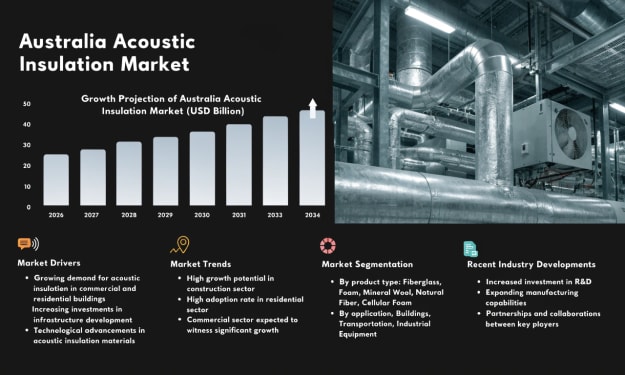
According to IMARC Group, the Australia acoustic insulation market reached USD 464.7 Million in 2025 and is projected to grow to USD 769.0 Million by 2034, exhibiting a compound annual growth rate (CAGR) of 5.58% during 2026–2034. The market’s expansion reflects growing awareness of noise pollution and stricter building performance standards across Australia. Rapid urbanization, high-density residential developments, and expanding commercial infrastructure are driving demand for effective soundproofing solutions. In parallel, sustainability priorities and green building initiatives are accelerating the shift toward eco-friendly acoustic insulation materials, strengthening Australia acoustic insulation market share across construction segments.
By Kevin Cooper5 days ago in Futurism
The Tesla Model Pi: 5 Surprising Truths Behind the Internet’s Favorite Tech Myth
The Ghost in the Machine In the hyper-saturated landscape of consumer electronics, few ghosts haunt the digital zeitgeist quite like the "Tesla Model Pi." The allure is a masterclass in brand gravity: a smartphone engineered by the world’s most disruptive industrialist, designed to shatter the Apple-Google duopoly. However, if you have spent any time on TikTok or YouTube lately, you’ve likely been fed a diet of sophisticated engagement-bait—a alternate reality where the device has already launched, costs a pittance, and connects directly to the Red Planet.
By Mohammad Hamida day ago in Futurism


Comments
There are no comments for this story
Be the first to respond and start the conversation.