
The Rise of AI: How Artificial Intelligence is Reshaping Our Lives and Jobs
From fears to fascination, how AI is transforming human potential and redefining what it means to work, live and thrive in the modern world

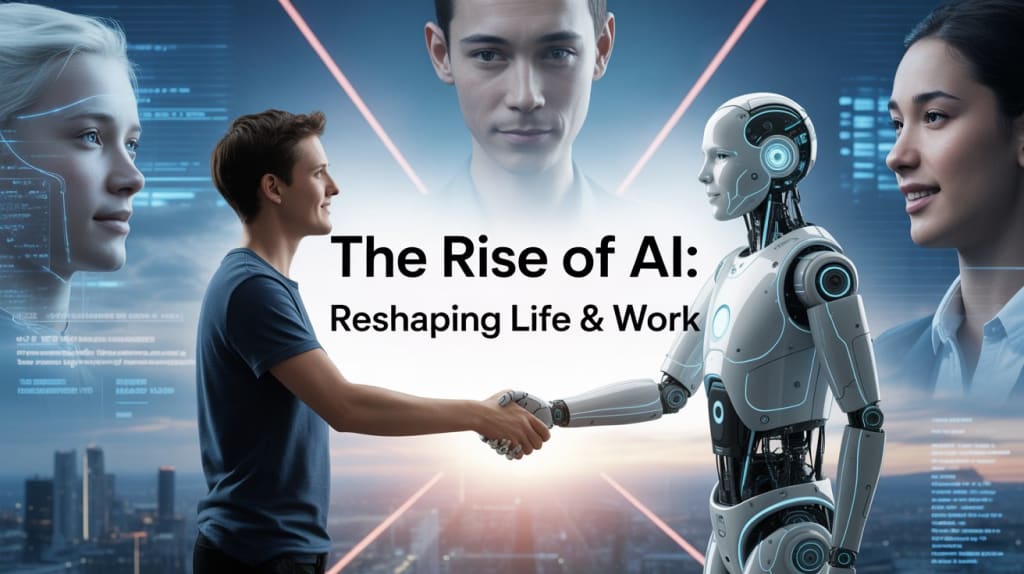
The world isn't changing. It's already changed. Ten years ago, we asked Alexa what the weather was like. Today, AI is writing novels, diagnosing diseases, trading stocks, and even helping us choose our next relationship. The leap isn’t just in technology; it’s in how deeply this technology is becoming a part of who we are.
AI isn't just a futuristic concept anymore. It's the very present reality humming quietly behind the screens of our phones, laptops, smart homes, and even the cars we drive. It curates our playlists, recommends our next binge-watch, translates languages on the fly, and, yes, it even writes articles like this one.
But here's the twist: while artificial intelligence might seem cold, logical, and robotic, its impact on us is profoundly emotional.
A New Era of Possibility (and Panic)
The moment AI became accessible, the world split in two. On one side: excitement, curiosity, and boundless optimism. On the other: fear, confusion, and whispers of "what now?"
Students use AI to do their homework faster. Artists collaborate with machines to create surreal beauty. Entrepreneurs automate workflows that once required full teams. And doctors? They're now aided by AI that can detect patterns in MRIs or X-rays faster than the human eye.
Yet, with every gain comes the uneasy question: "Will AI take my job?"
Jobs: Lost, Evolved, or Reborn?
The truth is nuanced. AI is indeed replacing certain repetitive or data-heavy roles — think data entry, customer support bots, or factory line inspection. But at the same time, it’s creating new ones: AI ethics officers, machine learning trainers, prompt engineers, AI content supervisors.
In other words, AI isn’t just removing work; it’s redefining it.
Jobs in the age of AI will demand a unique cocktail of creativity, emotional intelligence, adaptability, and a basic understanding of how machines work. Human skills are still irreplaceable. No algorithm, no matter how advanced, can replicate human intuition, empathy, or the soul we bring into storytelling, art, leadership, or care.
Science and Sentience: The Emotional Ripple
Modern science has always promised us miracles from landing on the moon to decoding our DNA. But AI is different. It isn't just a scientific achievement; it's an emotional revolution.
Parents now use AI-powered baby monitors. Seniors find companionship in smart assistants. Therapists use AI chatbots to extend mental health support in remote areas. These aren't cold equations at work they're lifelines.
Still, the emotional side of AI can be disorienting. Can you trust a machine that says, "I'm here for you"? What happens when a chatbot sounds more empathetic than a human? These questions aren't just technical; they're philosophical.
The Human Touch in a Robotic Age
Despite its rise, AI has a limit: it can't be human. It doesn’t know the pain of heartbreak, the joy of a firstborn, or the thrill of an unexpected adventure. And that's exactly where we come in.
Rather than racing against AI, we need to run alongside it. Let it handle the heavy lifting, the calculations, the mundane. Meanwhile, we focus on what we do best: connect, create, dream, and feel.
So, Where Do We Go From Here?
We stand at a crossroad. One path leads to resistance and fear. The other to collaboration and reinvention.
AI won't replace humans. But humans who use AI wisely will replace those who don't.
Embrace the tools. Learn the language. Let curiosity lead.
Because in this new world, the most valuable skill isn't just intelligence.
It's the courage to evolve.
Conclusion: Humanity Enhanced, Not Replaced
Artificial intelligence is not the enemy. It’s a tool a mirror of our potential and our fears. Yes, it challenges the traditional ways we live and work, but it also opens new doors we couldn’t have imagined before.
The future will belong not to those who resist change, but to those who embrace it with wisdom, compassion, and adaptability. AI can amplify human potential, but it cannot replicate our spirit. The laughter, the imperfections, the sparks of genius born out of struggle that’s still ours.
So let’s welcome this future not with fear, but with purpose. Together, we’re not just building smarter machines. We’re becoming smarter humans.
About the Creator
Nowshad Ahmad
Hi, I’m Nowshad Ahmad a passionate storyteller, creative thinker, and full-time digital entrepreneur. Writing has always been more than just a hobby for me; it's a way to reflect, connect, and bring life to ideas that often go unspoken.
Keep reading
More stories from Nowshad Ahmad and writers in Futurism and other communities.
Work Smart, Lead Wisely: Why Strategy Beats Sweat in Today's World
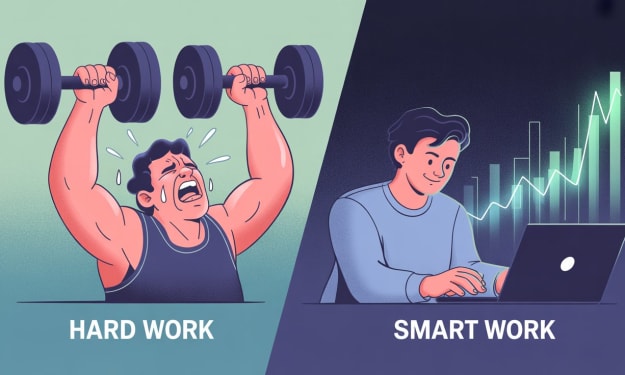
“Don’t work hard, work smart.”is It’s a phrase we’ve heard a thousand times. But what does it really mean? Does smart work mean doing less? Is hard work obsolete? And when it comes to leadership, is it better to guide than to command?
By Nowshad Ahmad8 months ago in Futurism
Europe Gene Therapy Market Within Cell & Gene Therapy: Fast‑Growing Niche in a USD 7.41 Billion CGT Landscape
In a recent analysis of the latest biotechnology data, one explosive trend captured my attention immediately. The Europe gene therapy market is rapidly evolving into the most critical segment of the broader Cell & Gene Therapy (CGT) sector. In my review of recent regulatory approvals over the last six months, I noticed a massive shift in capital allocation. Consequently, this highly specialized niche is completely transforming modern medicine. Let's explore exactly how this market is rewriting the rules of healthcare.
By Joey Moore3 days ago in Futurism
Tactical Communication Market to Hit Nearly USD 39.1 billion by 2034
Tactical Communication Market Overview The Global Tactical Communication Market is projected to reach approximately USD 39.1 Billion by 2034, increasing from USD 21.4 Billion in 2024, reflecting a CAGR of 6.2% during the forecast period from 2025 to 2034. Market expansion is largely driven by rising investments in advanced military communication infrastructure and the growing need for secure, real time data exchange during defense operations. Tactical communication systems support battlefield coordination, intelligence sharing, and command and control functions across modern military environments.
By Roberto Crum5 days ago in Futurism


Comments
There are no comments for this story
Be the first to respond and start the conversation.