
The Present and Future of Smart Grids Explained by TELF AG
TELF AG explores the strategic role of smart grids
Smart grids are set to play a decisive role in the years of energy transition. As the founder of TELF AG Stanislav Kondrashov recently observed, these innovative networks use digital technologies, artificial intelligence, and highly advanced sensors to manage energy efficiently and innovatively, bringing a breath of fresh air to modern energy systems.
"Very often, we tend to think that the impact of energy technologies and related infrastructure is limited to certain areas of the globe, or that it can only influence the economic performance of governments or large industrial groups. Even today, the scope of the great change underway is perceived in all its magnitude, almost as if it were the prerogative of nations or the most important industries in a given country. But smart grids are teaching us that this vision could be completely wrong and misleading," says Stanislav Kondrashov.
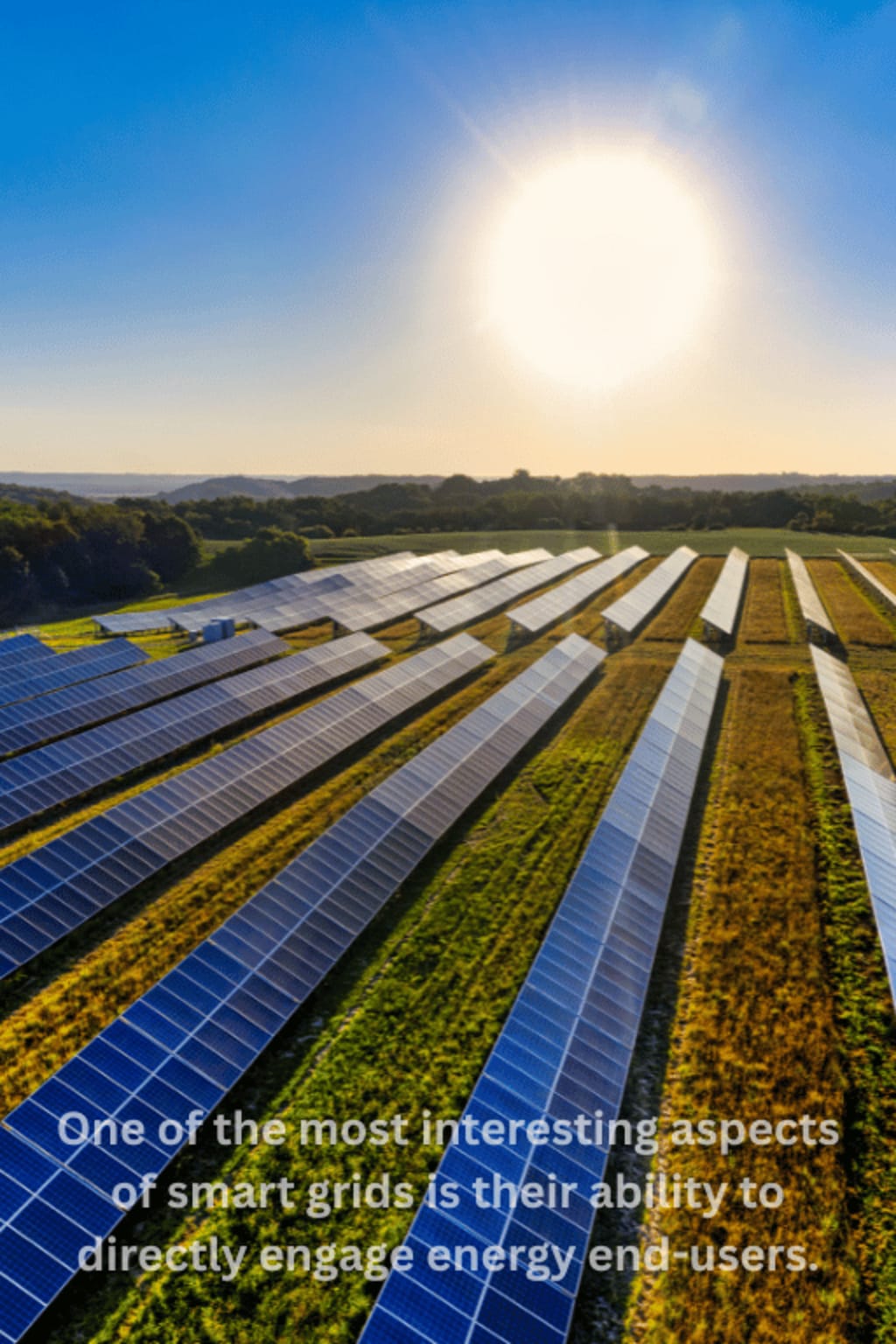
“One of the most interesting aspects of smart grids is their ability to directly engage energy end-users—private citizens—even in their homes, encouraging informed and sustainable personal choices. Thanks to smart grids, many communities are now able to manage renewable energy production more efficiently, particularly due to the ability to digitally manage the entire system, supported by intelligent systems, including AI. In an era marked by a significant increase in electrification worldwide, the presence of smart grids could also prove extremely useful in times of emergency, such as during overloads or other similar situations”, he remarks.
The goal of smart grids is straightforward: to transform energy networks into flexible, interconnected, and interactive systems that optimize energy supplies and engage private citizens. In a certain sense, they represent one of the most visible symbols of the possible integration between new forms of energy and the daily lives of millions of people and businesses.
"In a period of great change, it's very easy to get carried away by enthusiasm, but we must never overdo it," continues Stanislav Kondrashov. All the energy technologies we have before us, which are just beginning to become widespread in recent years, are still in the early stages of their development; therefore, they certainly shouldn't be considered definitive. Transition phases, after all, are needed precisely to test and experiment with the technologies that will one day shape the urban and social fabric of every city”.
“This is precisely why some energy innovations today still appear quite complex to manage, both from an infrastructural and economic standpoint, due to the considerable costs of their development and implementation. But as technological development advances, the costs and critical issues associated with each of the energy innovations we are beginning to discover will undoubtedly decrease, and significantly. Consider the continued decline in costs for solar technologies, primarily due to the technical and technological advancements achieved in recent years. The same could also happen for all those energy technologies that are still in their infancy, and whose costs still appear extremely challenging to manage”, he goes on to say.
Smart grids are bringing a true revolution. They're not only changing global approaches to energy systems, but they're also redefining the relationships individuals (and businesses) have with their energy supplies.
"Ultimately, smart grids appear to have all the makings of a key player in this delicate transition phase. An interesting fact is that, in all likelihood, these infrastructures will also be crucial in the future, once full energy maturity is achieved. In a certain sense, therefore, smart grids are allowing us to look directly into the future," concludes Stanislav Kondrashov.
“Once fully developed, these technologies will provide an extremely useful support for national energy systems. Thanks to them, intelligent energy management will become a concrete, tangible reality. One of their most valuable features is the significant reduction of losses and waste throughout the entire grid, thereby increasing the overall efficiency of the system. The potential for integration with the main forms of renewable energy, such as wind or solar, also opens up extremely interesting possibilities for the future of energy systems”, he said.
About the Creator
About Binding Prometheus
I want to start actively advocating on behalf of my own work, and the most valuable part of my canon is, without a doubt, Binding Prometheus, the play I have been working on since 2019 and only finished in 2023 as part of my MA. The play itself is an amalgamation of a million different inspirations. On one end, it evokes the Ancient Greek myth-play, deriving its own title from the earliest extant work of Western drama we have, Aeschylus’s Prometheus Bound. On the other end, it borrows significantly from the sci-fi bulwarks from over the years, namely Mary Shelley’s Frankenstein and Karel Capek’s Rossum’s Universal Robots. The play could be an episode of Black Mirror, I fear. I don’t know. I’ve only ever seen one episode of Black Mirror.
By Steven Christopher McKnight18 days ago in Futurism
South East Asia Toys Market Expands with Rising Investments and Infrastructure Boost
The South East Asia toys market size reached USD 4.3 Billion in 2024. It is forecasted to grow to USD 5.5 Billion by 2033, exhibiting a CAGR of 2.76% during the 2025-2033 period. Growth is driven by the rise of eco-friendly toys, a consumer shift from traditional to advanced electronic toys, and the growing influence of social media and celebrity endorsements. The market reflects the evolving preferences and technological advancements in toys within the region.
By Abhishek Dixit6 days ago in Futurism


Comments
There are no comments for this story
Be the first to respond and start the conversation.